Box truck dispatch service
Box truck dispatch is a different job from semi dispatch, not a smaller version of it. The lanes are shorter, the stops are more frequent, and the money is decided by deadhead and accessorial equipment rather than by rate per mile.
Flat 10% per load, invoiced every Friday.


Why box truck economics work differently
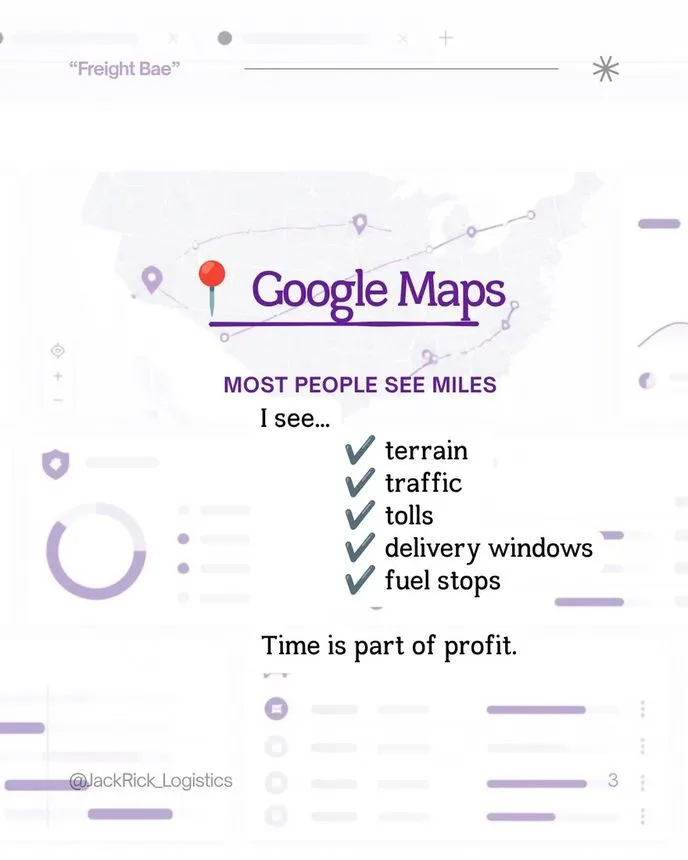
A 53-foot dry van runs 500 miles for one pickup and one drop. A box truck might run 180 miles with four stops, a liftgate delivery and two hours of waiting. The rate per mile on the second job looks worse and the day can be worth more — or considerably less, depending on what you agreed to before you rolled.
Four things move box truck profit that barely register on a semi:
- Deadhead hurts more. On a 600-mile semi run, 60 empty miles is 10%. On a 180-mile box truck run, the same 60 miles is a third of the job.
- Stops are the real unit. A four-stop load is four opportunities to wait, four chances to be turned away, and four sets of paperwork. Price it per stop or you are working for free after the second one.
- Equipment decides eligibility. Liftgate, pallet jack, ramp, e-track, straps, dock height. Each one opens or closes a category of freight.
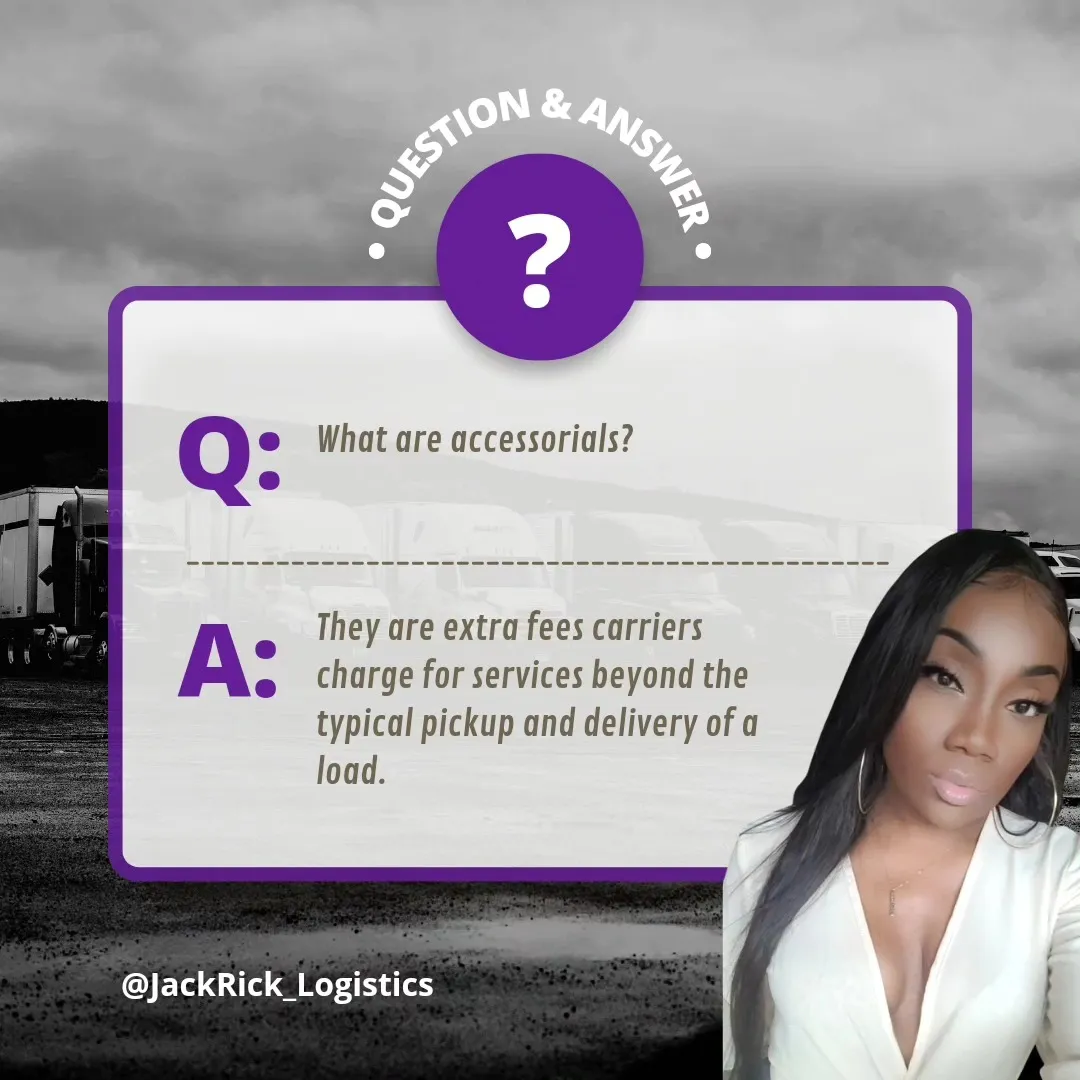
- Residential and inside delivery are separate charges and are routinely not asked for. If the delivery goes past the tailgate, that is an accessorial.
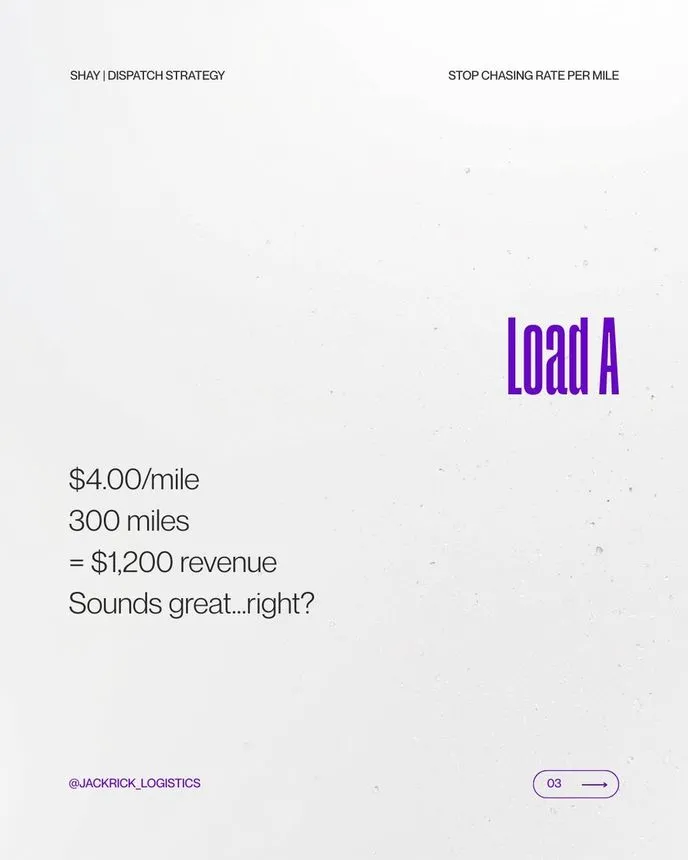
A $4.00/mile load isn't always better than a $2.20/mile load.
The freight a box truck can take
| Freight type | What it needs | The catch |
|---|---|---|
| LTL and partial | Dock height, straps, e-track | Multiple stops; price each one |
| Final mile and residential | Liftgate, pallet jack, often two-person | Inside delivery is a separate charge |
| Expedited and hot-shot LTL | Availability, clean HOS, sometimes team | Pays well; you are being bought for speed, so quote for it |
| Appliance and furniture | Liftgate, blankets, ramp | Damage claims — photograph everything at pickup |
| Retail and store replenishment | Dock, pallet jack, appointment discipline | Strict delivery windows; a missed appointment is a lost day |
| Local and regional contract work | Consistency and a clean record | Lower rate, but a dedicated lane beats spot volatility |



No CDL does not mean no compliance
This is where box truck operators get caught, because the licensing question and the regulatory question have different answers. Under 26,001 lb GVWR you do not need a CDL. If you run interstate for hire, you still need essentially everything else.
The Part 387 subpart A minimums do not apply at all to a vehicle with a GVWR under 10,001 lb, unless it carries listed explosives, poisons or radioactives.
Commonly got wrong: MYTH: "$750,000 is the minimum for every trucking company." It is not. It applies to FOR-HIRE, NON-HAZARDOUS, 10,001 lb and over. The $300,000 figure people quote for small vehicles comes from a different subpart — 49 CFR 387.303T(b)(1)(i).
For-hire carriers hauling non-hazardous property in vehicles with a GVWR of 10,001 lb or more must carry at least $750,000 in public liability coverage.
An employer who employs only themselves as a driver must run a random testing program with two or more covered employees in the selection pool — which is why a one-truck operation effectively needs a consortium or C/TPA.
Commonly got wrong: Phrase this as "effectively requires" a consortium, not "the regulation requires a consortium." §382.103(b) states the pool requirement; §382.305(j)(2) grants the permission to use a C/TPA and a larger pool. The consortium is the practical consequence of the two together.
Drivers are not required to prepare a DVIR if no defect or deficiency is discovered or reported. The section also does not apply to a carrier operating only one commercial motor vehicle.
Commonly got wrong: MYTH: "drivers must file a DVIR every day."
When a box truck is the wrong answer
Box trucks are sold as the cheap way into trucking, and sometimes they are. But be honest about two things before you commit:
- The rates are genuinely lower. If your plan depends on semi money with box truck costs, the plan does not work.
- The market is crowded at the entry level precisely because it is the cheap way in. Competing on price against people who have not calculated their cost per mile is a race you do not want to win.
What does work: a specific capability — liftgate plus reliability plus a clean appointment record — sold into lanes that need it repeatedly. That is a business. Chasing whatever is cheapest on the board is not.
Get your box truck moving
Tell me the truck, what equipment is on it, and the radius you want to run. If the numbers do not work I will say so before you sign anything.
Box truck dispatch questions
Do I need a CDL to run a box truck?
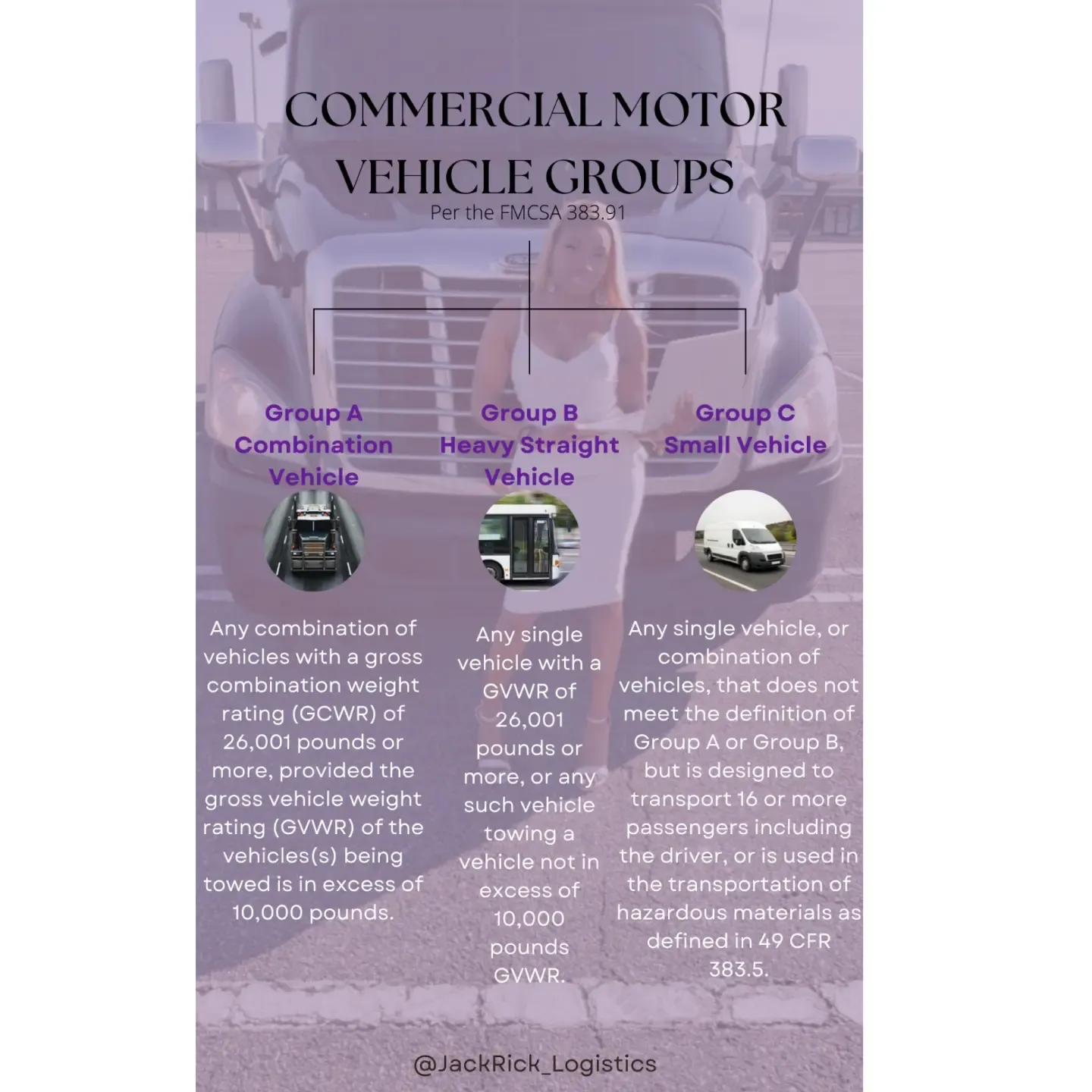
Not if the truck is rated at 26,000 lb GVWR or less, which covers most 24 and 26-foot box trucks. Above 26,001 lb you need a Class B. The catch nobody mentions: no CDL does not mean no regulation. If you cross state lines for hire you still need operating authority, a USDOT number, a drug and alcohol testing program, a driver qualification file and hours-of-service records.
Is box truck freight worth it compared to a semi?
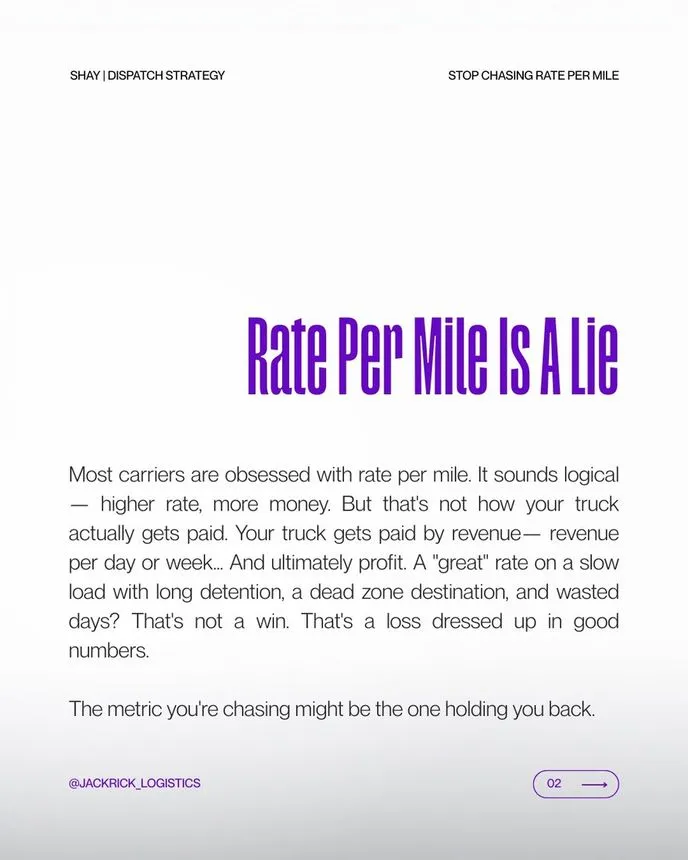
Per mile it pays less. Per dollar of operating cost it can pay better — you burn far less fuel, tires are cheaper, maintenance is cheaper, and you can take loads a 53-foot trailer physically cannot reach. The question is never "does box truck pay less than semi", it is "what is my cost per mile and does this rate clear it". Those are different questions and only the second one matters.
What kills box truck profit?
Three things, in order. Deadhead, because box truck lanes are shorter so an empty leg eats a bigger share of the run. Accessorial equipment you do not have — taking a load that needs a liftgate or a pallet jack when you have neither. And multi-stop residential deliveries priced as if they were a single drop.
Do I need a liftgate?
It depends entirely on what you want to haul. Without one you are limited to dock-to-dock freight. With one you can take residential, retail and final-mile work that pays better per stop — but the gate costs money, eats payload, and is one more thing that breaks. Decide before you buy, not after you have turned down three loads.
What insurance does a box truck need?
The same structure as any for-hire carrier: auto liability, cargo, and physical damage on the truck. The federal liability minimum applies at 10,001 lb GVWR and up, which almost every box truck exceeds. Box trucks are rated as their own class and are usually cheaper to insure than a tractor-trailer.
What does dispatch cost for a box truck?
A flat 10% per load — the same rate charged for semis, invoiced every Friday, with 30 days' notice to leave.