IRP apportioned plates explained
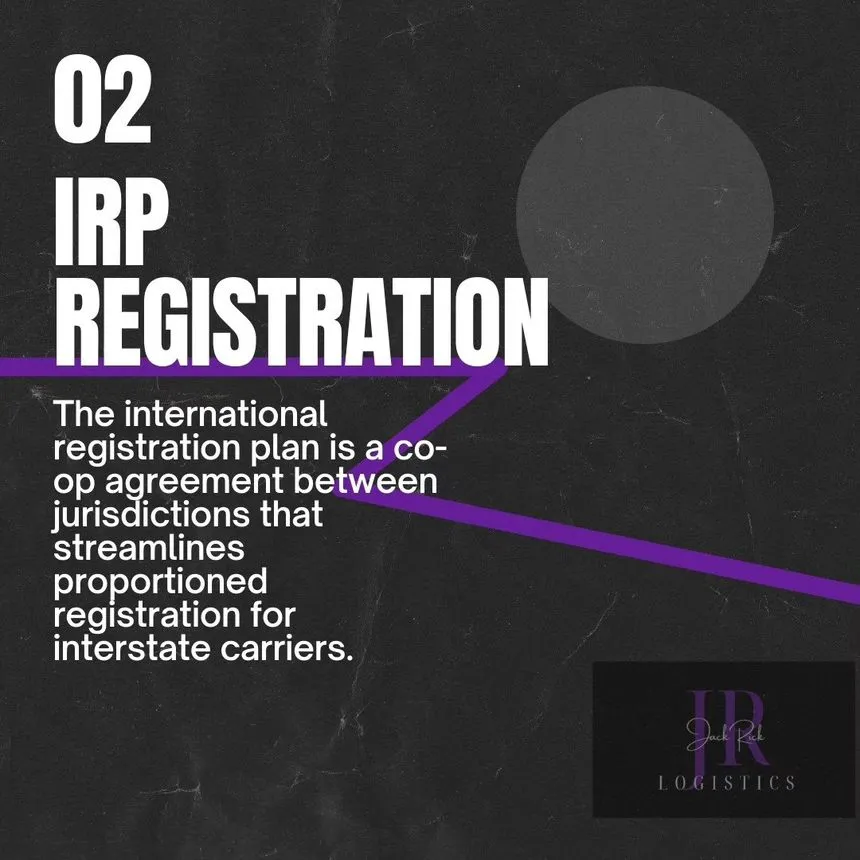
IRP apportioned plates let an interstate carrier register through one base jurisdiction and pay registration fees in proportion to miles run in each member jurisdiction — instead of buying a full plate set in every state.
For carriers based in Virginia, that base is Virginia. IRP does not activate your MC number, and it is not the same thing as UCR or IFTA.

This page explains the program in operational terms. Weight and axle thresholds are not printed here because the IRP Plan PDF was not primary-reachable from our verification pipeline as of August 16, 2026 — confirm current vehicle qualifications with your base jurisdiction before you rely on a number from a blog.

One base jurisdiction, miles decide the split
Under IRP you pick a base jurisdiction — for Virginia-based carriers, that is Virginia — and report the mileage picture that drives how registration fees are apportioned among the member jurisdictions you travel. The practical promise is administrative: one registration relationship instead of a separate full registration in every state you touch.
Shay’s own teaching line on this is blunt: you pay registration fees based on the percentage of miles traveled in each member state. That is the whole idea. The failure mode is treating IRP like a one-time sticker instead of a recurring credential with a renewal calendar.
IRP vs UCR vs IFTA vs authority
- Authority (MC + filings). Activated by liability on file and a BOC-3 — see how to get authority.
- UCR. Annual federal registration with fleet-size fee brackets — UCR explained.
- IRP. Apportioned plates / registration through your base jurisdiction. This page.
- IFTA. Fuel-use tax credentials and reporting. Related in conversation, different filing. This site does not publish a standalone IFTA ranking page because that SERP is structurally locked to fleet-SaaS publishers.
The new authority checklist is where these sit side by side. Getting active without sorting plates and tax credentials is how carriers look fine in a portal and fail in the yard.
Base here, run nationwide
JackRick Logistics works Virginia carriers who run Port of Virginia lanes and long east–west / north–south corridors. IRP is part of that operating reality: your base is local, your miles are not. If you are standing up a Virginia authority, plates and insurance need to be in the same conversation as the first broker packet — not an afterthought the week a renewal lapses.
Get the credentials in the right order
Tell me your base state and whether you already cross state lines. You get a straight read on where IRP sits next to UCR, insurance, and whether you should be taking loads yet.
IRP questions
What are IRP apportioned plates?
IRP is the International Registration Plan — a cooperative agreement between jurisdictions so an interstate carrier registers once through a base jurisdiction and pays registration fees in proportion to miles traveled in each member jurisdiction. The plate set you get is commonly called apportioned plates.
Do Virginia carriers register IRP through Virginia?
If Virginia is your base jurisdiction, yes — you deal with Virginia’s IRP program for apportioned registration. Miles in other member jurisdictions still drive how fees are split; the base state is where you file and renew.
Is IRP the same as UCR?
No. UCR is an annual federal registration with a fee bracket by fleet size. IRP is apportioned vehicle registration across jurisdictions. You can need both. Confusing them is how people think one renewal covered the other.
Is IRP the same as IFTA?
No. IFTA is fuel-use tax reporting across member jurisdictions. IRP is registration/plates. They often travel together in conversation because both show up once you run interstate in a qualifying vehicle, but they are different programs with different filings.
Does IRP activate my MC number?
No. Liability insurance on file with FMCSA and a BOC-3 activate authority. IRP is part of staying able to run legally across jurisdictions after you are active — the same “active vs compliant” gap that shows up on the new-authority checklist.
What happens if my IRP lapses?
You lose the plate authority that lets you operate across member jurisdictions the way the Plan intends. Renewals and deadlines are exactly the category of thing that quietly grounds a working truck while the MC still looks “active” in a dashboard.