Truck dispatch service
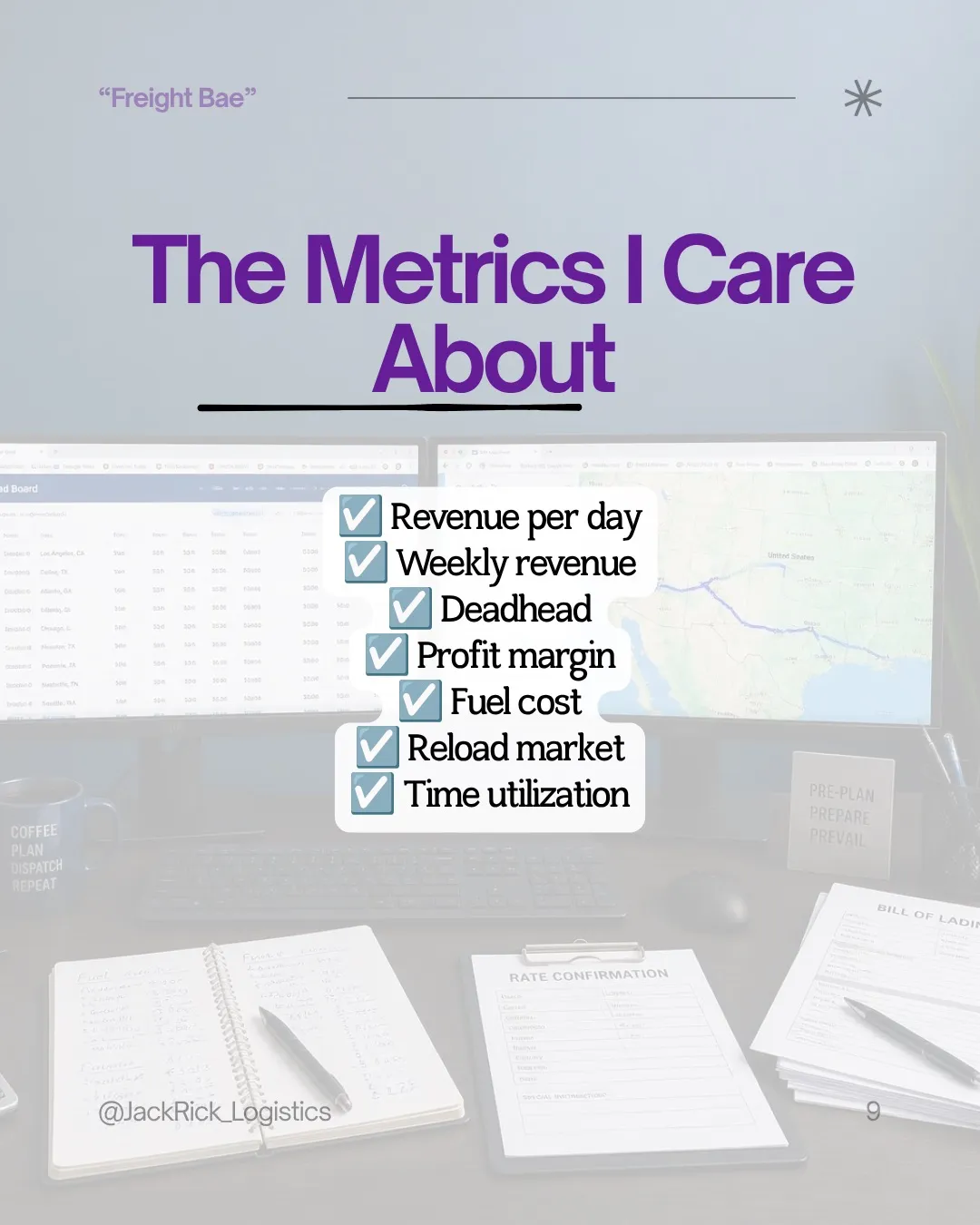
Dispatch that plans your week around revenue per day, reload opportunity and what the run actually costs you — not the rate per mile on the confirmation.
Flat 10% per load. Invoiced every Friday. 30 days' notice to leave. Box trucks and semis.

Rate per mile is the wrong number to run a business on
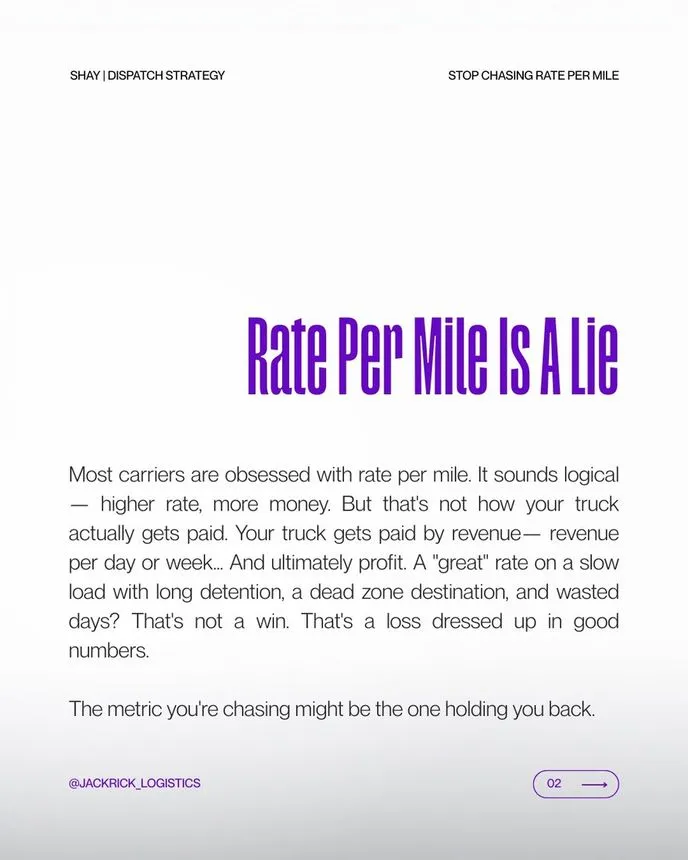
A $4.00/mile load isn't always better than a $2.20/mile load.
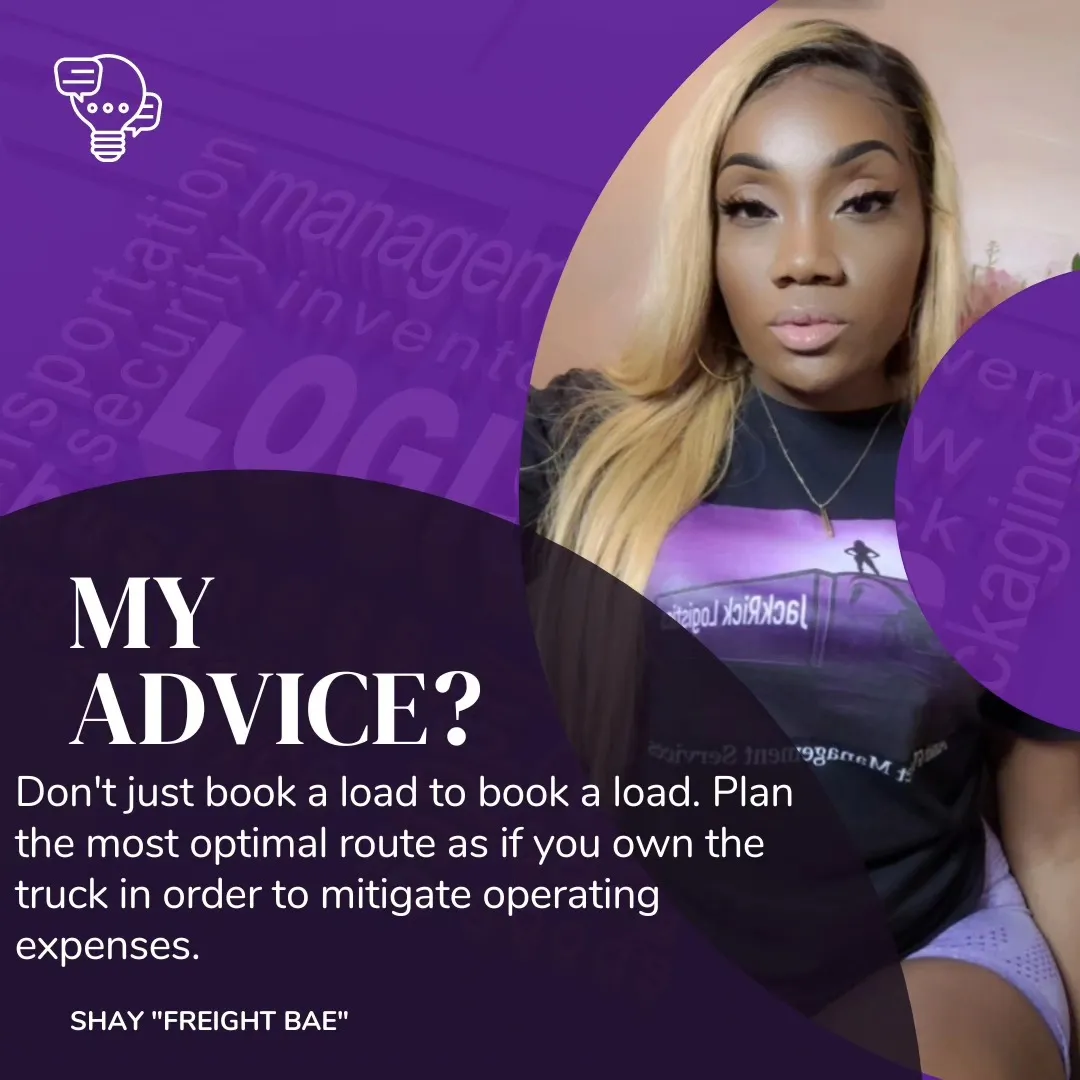
A high rate per mile on a load that sits three days is not a win. Your truck does not get paid by the mile — it gets paid by the day and by the week. Here is the arithmetic that makes the point, using her own worked example:
Booked on rate per mile, this is a great load. Booked on revenue per day, it costs you roughly two-thirds of your week. Both statements are true, and only one of them pays your note.


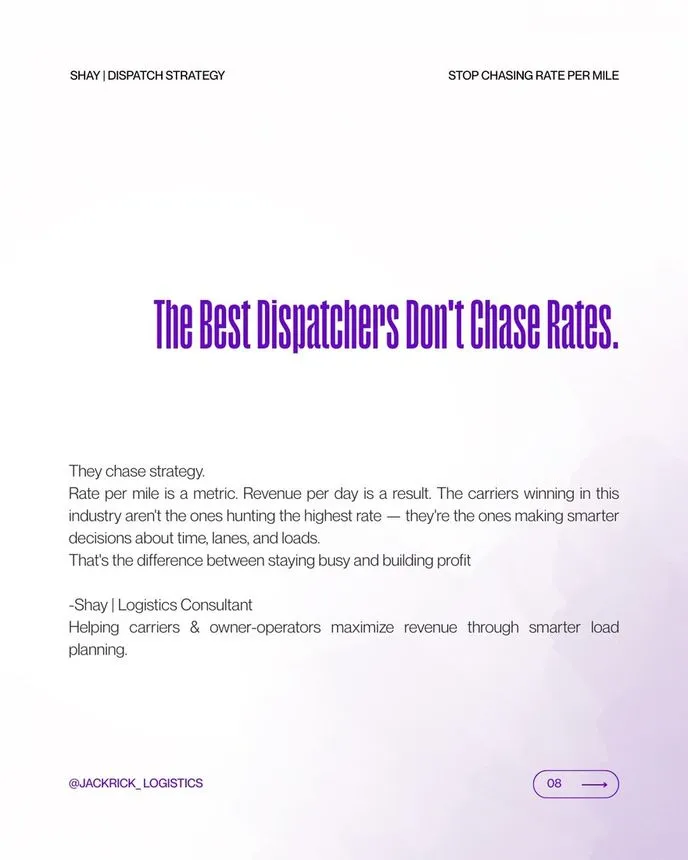
I shoot for $1200 per day, which will often avg out to $1,000/day (give or take)
What the 10% covers
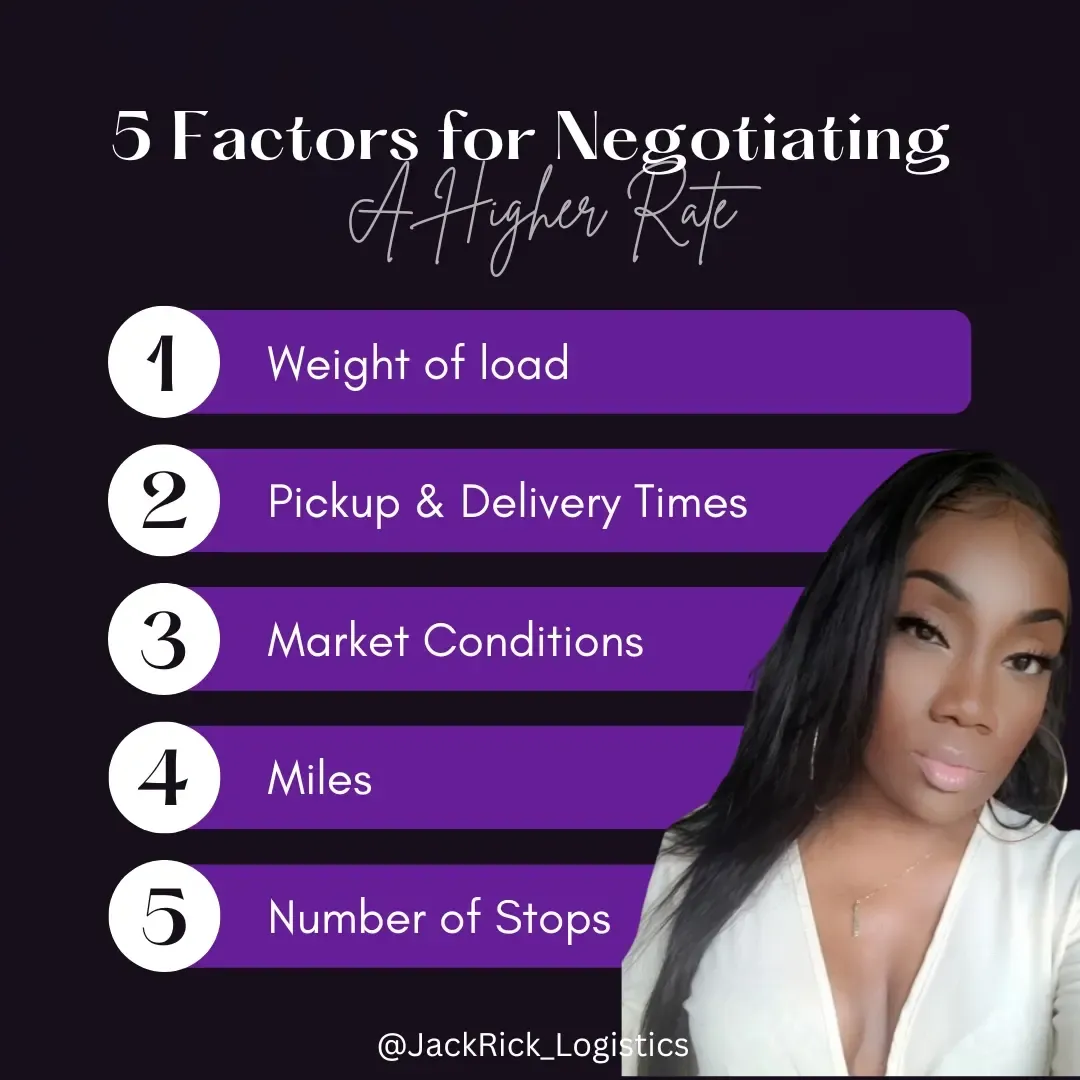
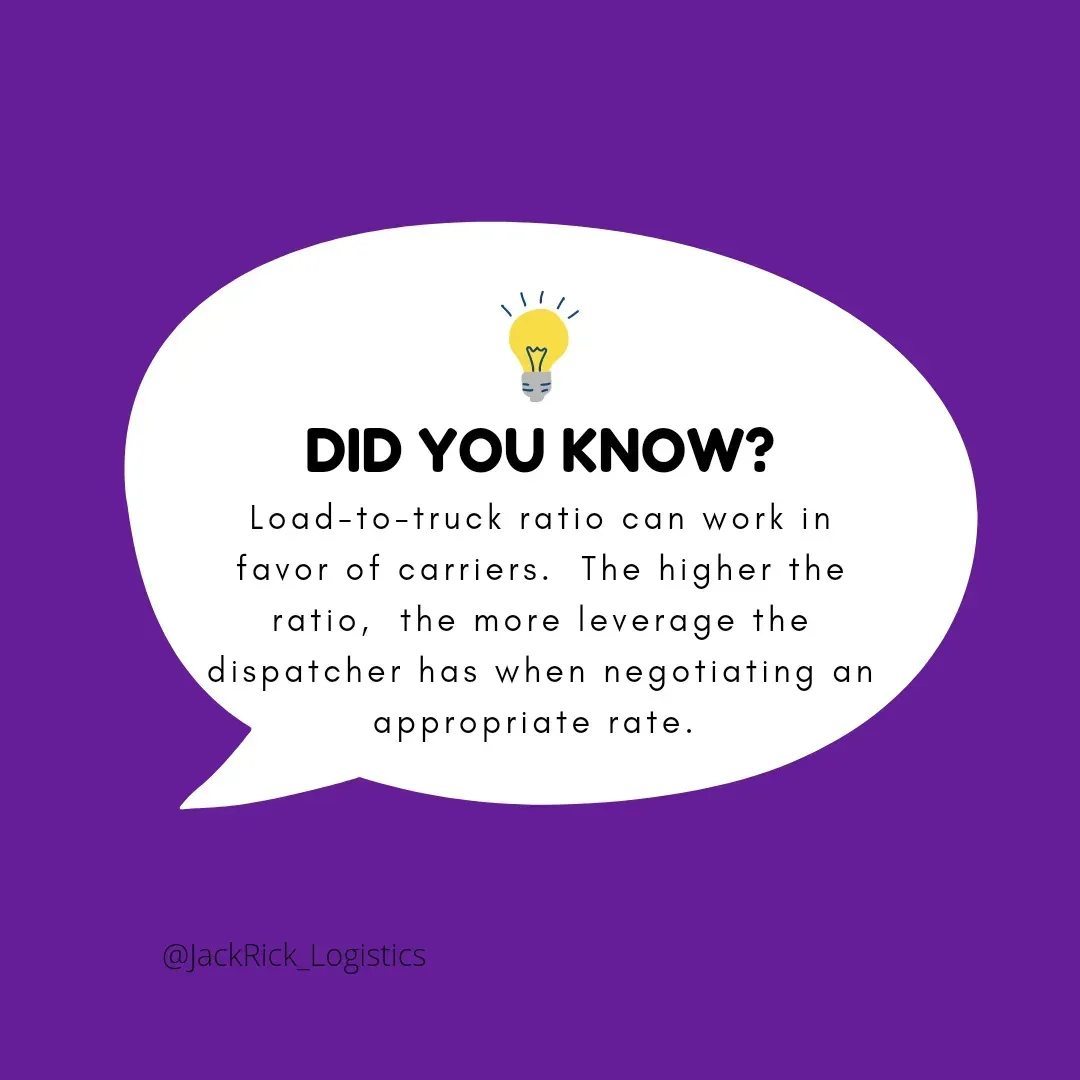
Finding and negotiating freight
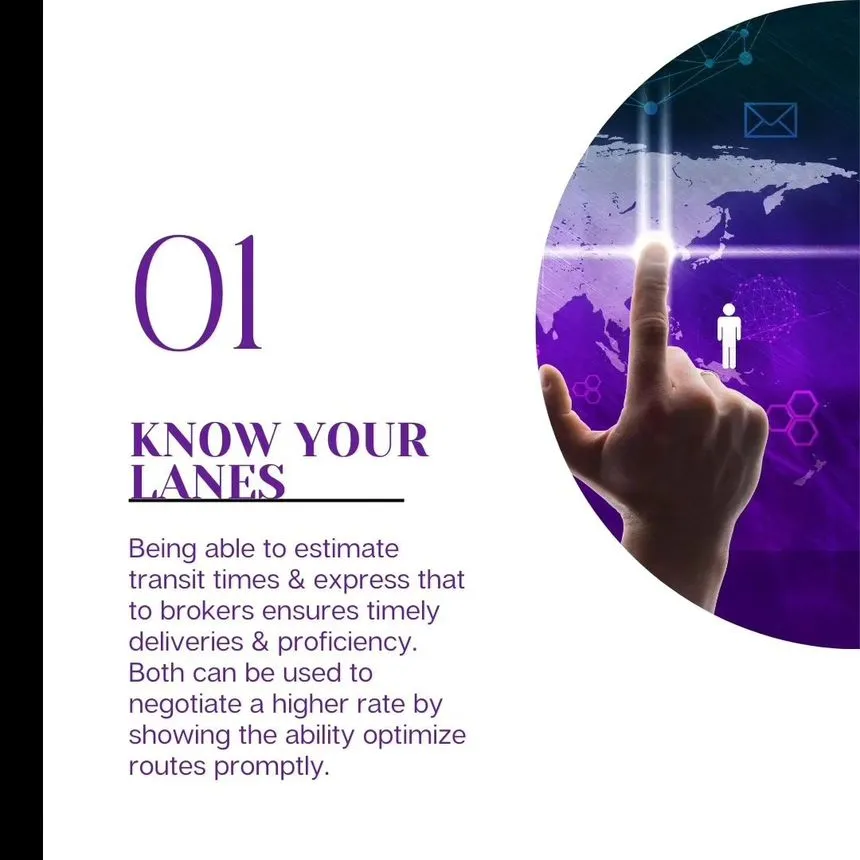
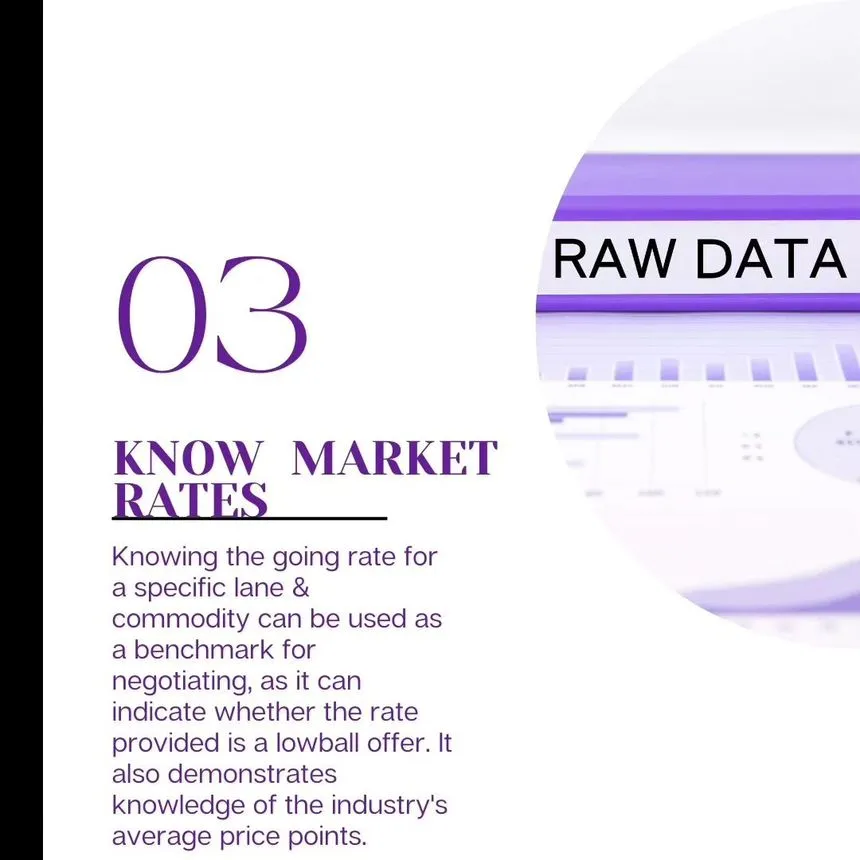
Load sourcing across boards and direct broker relationships, with the accessorials most carriers forget to ask for — detention, layover, driver assist, TONU, lumper.
Route and revenue planning
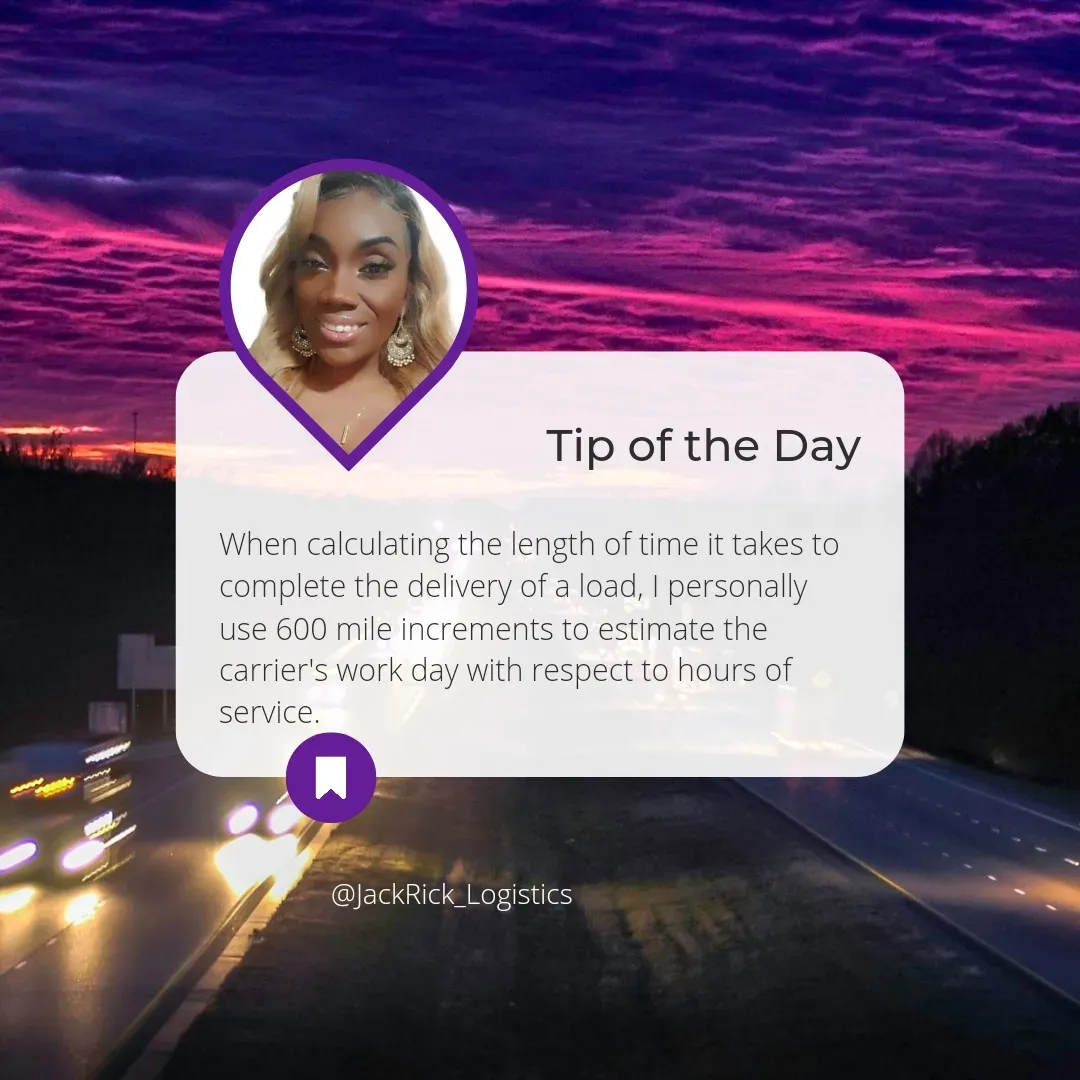
Every load assessed for reload opportunity at the destination, deadhead, terrain, weather and how many days it actually consumes. Dead zones get a plan before you go, not after.
Broker vetting
Credit and reputation checked before you accept, not after you are waiting 60 days to be paid. Double-brokering defenses built into how loads are sourced.
Back office
Carrier packets, rate confirmations, documents kept current with brokers, and paperwork chased so the invoice actually goes out.
While the load moves
Check calls, tracking, and being the person who deals with the receiver who will not take your driver at 4pm on a Friday.
Compliance and insurance
Filing deadlines tracked, and your certificate reviewed by a licensed broker who can actually fix a limit problem rather than just report it.
How onboarding works
- 01 Submit the carrier intake form
- 02 Credentials verified
- 03 Contact to finalize the Dispatch Carrier Agreement
- 04 First loads booked, and the invoice comes every Friday
What to have ready
- MC number
- USDOT number
- EIN
- W-9
- Certificate of Insurance (COI)
- MC Authority Letter
- Truck and trailer details
- Factoring company information (if applicable)
The form takes 10–15 minutes.
When you should not hire a dispatcher
If you are consistently hitting your revenue target, your broker relationships are solid, your paperwork is current and you do not mind the phone work, dispatch is a cost rather than an investment. Plenty of experienced owner-operators run better on their own, and being told otherwise by someone charging 10% is not advice.
The carriers this actually helps:
- New authorities who cannot get booked with the brokers everyone else wants
- Two to eight truck fleets where the owner is still driving and doing the office at night
- Carriers who are busy but cannot explain where the money went
- Anyone who has been burned by a broker and wants someone vetting them first
Tell me what you're running
Call or text (757) 744-2484, or send the intake form. Either way you get a real answer about whether this makes you money.


A line of tractors parked in a yard at dusk.
Somebody has to plan the week before the week starts
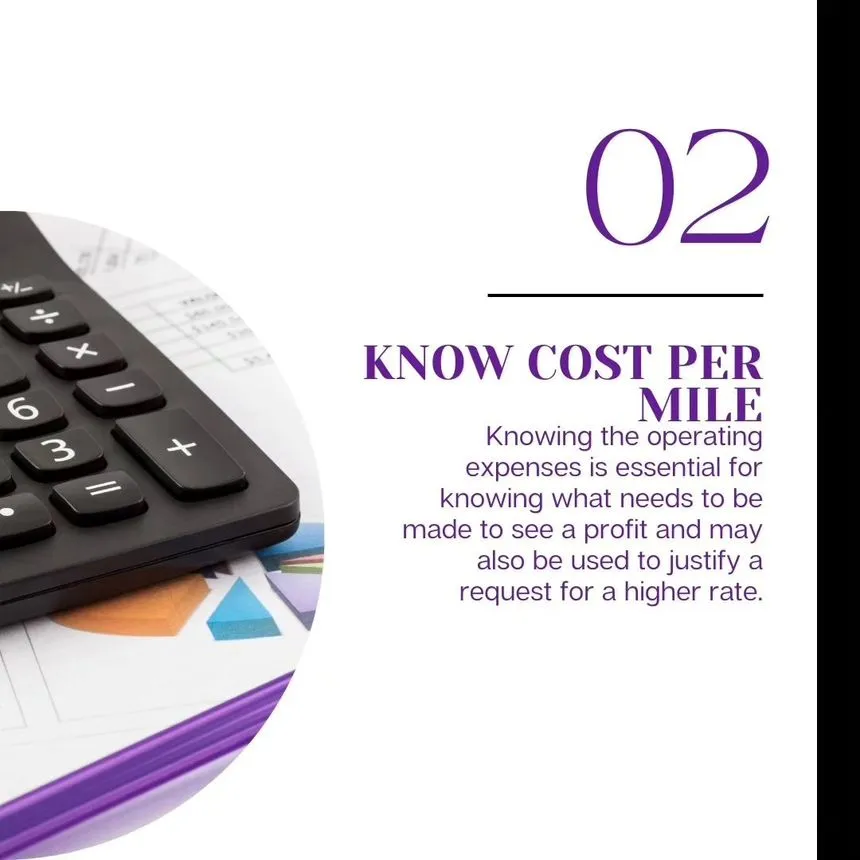
A load board is not a plan. Dispatch is deciding which lanes are worth running before you are sitting in one, keeping the paperwork current so a broker cannot use it as a reason not to pay you, and knowing what the run costs you before the rate is agreed.
Where a dispatcher legally sits
The line between dispatching and brokering is not a matter of what a service calls itself. It is defined, and the penalty for crossing it reaches individuals personally — so it is worth knowing which side your representative is on.
Freight dispatching is not a federally licensed occupation. FMCSA has stated in writing that it has no statutory authority to license or register dispatch services as such.
Commonly got wrong: Verbatim: "FMCSA does not have statutory authority to regulate dispatch services unless such entities also meet the criteria for registration as brokers, freight forwarders, and/or motor carriers." And: "FMCSA cannot define a new class of operating authority."
A broker is a person who, for compensation, arranges or offers to arrange the transportation of property by an authorized motor carrier. A bona fide agent of a carrier is not a broker.
Commonly got wrong: CITATION HYGIENE: cite §371.2 plainly, NOT §371.2(a) or §371.2(b). Those paragraph designations were removed on 18 Nov 2024 (89 FR 90608, 90618) when the section was reformatted into an undesignated list — the definitions themselves were unchanged. Any page still citing 371.2(a) is working from stale text.
Whether a dispatch service needs broker authority is fact-specific, not a matter of what it calls itself. A dispatcher that arranges transportation for multiple carriers and exercises discretion in assigning loads between them is allocating traffic, is not a bona fide agent, and must hold broker authority.
Commonly got wrong: FMCSA defines "allocating traffic" as "any exercise of discretion on an agent's part when assigning a load to a motor carrier." Representing multiple carriers is only safe where the agreements do not overlap — non-overlapping geography, or non-overlapping load type or equipment. Also note the mirror myth: FMCSA says handling money "is one factor that strongly suggests the need for broker authority, but it is not an essential requirement."
Brokering without registration carries a civil penalty of up to $10,000 per violation, plus liability to the injured party for all valid claims without regard to amount — joint and several, reaching individual officers, directors and principals personally.
Commonly got wrong: The uncapped private right of action in §14916(c)(2), and the personal liability in §14916(d), are the real exposure — not the $10,000.
Dispatch questions
What does a truck dispatcher actually do?
Finds and negotiates freight, plans the route around revenue per day rather than rate per mile, vets the broker before you accept, sets up and maintains your carrier packets, handles check calls and problems while the load moves, and keeps your compliance and insurance documents current with the brokers you work with. Booking the load is the visible part and the smallest part.
What does it cost?
A flat 10% per load. Invoiced every Friday. 30 days' written notice to leave, with no penalty and no long-term contract.
Is a dispatcher the same as a freight broker?
No. A dispatcher works for the carrier and negotiates on your behalf. A broker works for the shipper and arranges transportation for them. FMCSA draws the line at whether an entity exercises discretion in allocating loads between competing carriers, handles the money, or deals directly with shippers — those activities require broker authority under 49 CFR 371.
Do I need my own authority?
Yes. Dispatch is for carriers running under their own MC number. If you are leased on to another carrier, they dispatch you, and what you probably need instead is help with the economics of that lease.
How long does it take to start?
The intake form takes 10 to 15 minutes. After that it is credentials verification and then the dispatch agreement. Most carriers can be set up and looking at loads within a couple of days, depending on how current their paperwork is.
Will you send my truck anywhere?
No, and that is the point. Some destinations are freight deserts, and a good rate into one of them costs you two days getting out. If a load goes somewhere difficult, either there is a reload already lined up or there is a reason the money justifies the empty miles. That gets decided before you accept, not after.
What equipment do you dispatch?
box truck and semi truck freight. Dry van, reefer, power-only and intermodal lanes.