Occupational accident insurance for truckers
Occupational accident covers you — medical costs and a weekly income benefit if you are hurt and cannot drive.
Every other policy on your truck protects somebody else: the public, the freight, the lender. This is the one that protects the person doing the work, and it is the one most owner-operators skip because nobody requires it.

The exposure nobody invoices you for
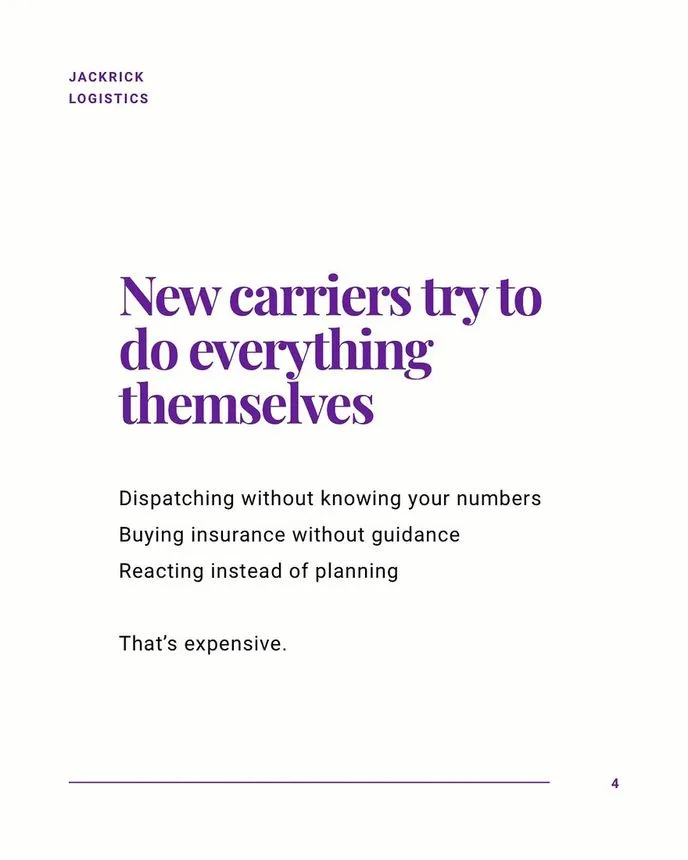
Think about what actually happens to a one-truck operation when the driver is hurt. The truck payment continues. The insurance premium continues. The permits renew. The revenue stops completely, because the revenue was you.
Liability covers the other party. Cargo covers the freight. Physical damage covers the truck. None of them notice that you are in hospital.
I don’t believe in telling business owners, “You need this policy,” without explaining WHY. I want you to understand the risk first. Then, we can talk about the solution.
Occupational accident vs workers compensation
| Occupational accident | Workers compensation | |
|---|---|---|
| What it is | A private insurance contract | A statutory, state-administered system |
| Who it is for | Independent owner-operators and contractors | Employees |
| Benefits | Stated limits, chosen when you buy | Defined by state law |
| Mandatory? | No | Yes for employees, in most states |
| Cost | Generally lower | Generally higher |
| Breadth | Narrower, with exclusions | Broader, no-fault |
Occupational accident is not a substitute for workers compensation where the law requires comp. If a state treats your drivers as employees rather than independent contractors, carrying occ-acc instead of comp is a worker-classification exposure as well as an insurance gap. In a fleet, that is a conversation for your accountant and your counsel, not a box to tick.
What to compare between policies
The premium is the least interesting number. These are the ones that decide whether the policy does anything useful:
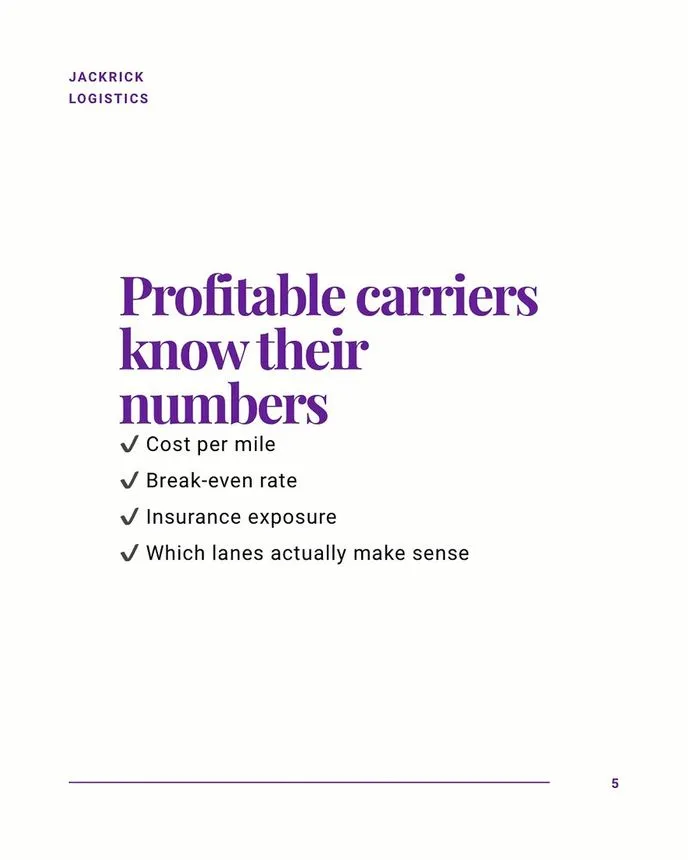
- Weekly disability benefit. Compare it with what you actually need to cover the truck payment and your household — not with what sounds reasonable.
- Waiting period. How many days before benefits start. A cheap policy with a long wait may not help with the injury that keeps you out for three weeks.
- Benefit duration. How long temporary disability pays before continuous disability takes over, and what that pays.
- Accident medical maximum. The ceiling on medical costs.
- Exclusions. Pre-existing conditions, and whether injuries occurring off dispatch are covered at all.
Do you even need it?
If you are covered by workers compensation through a carrier you are leased to, you may already be protected — check before buying a second thing. If you have substantial savings and disability cover elsewhere, the case is weaker.
For most one-truck owner-operators, neither of those is true, and this is the cheapest protection available against the risk that actually ends businesses.
Find out what you are actually covered for
Tell me your status and what you already have. If you are leased on and the carrier already provides cover, that is what you will hear.
Insurance is offered through Shay Denise, a licensed property and casualty producer. Coverage is subject to the terms, conditions and exclusions of the policy actually issued. Nothing on this page is a binder, a quote, or an offer of coverage, and nothing here is legal or tax advice on worker classification.
Not a federal requirement
There is no federal regulation requiring occupational accident coverage. Whether you need it is decided by your lease, by your state’s workers compensation law, and by what happens to your income if you cannot drive. For contrast, this is the coverage federal law does compel.
For-hire carriers hauling non-hazardous property in vehicles with a GVWR of 10,001 lb or more must carry at least $750,000 in public liability coverage.
Commonly got wrong: Part 387 was last amended 91 FR 45660, 21 Jul 2026 — the $750,000 figure survived that amendment.
No motor carrier may operate a vehicle until it has obtained and has in effect the minimum levels of financial responsibility.
Commonly got wrong: Violating §387.7(a) is an automatic failure of the new-entrant safety audit on a single occurrence — 49 CFR 385.321(b), table item 9.
Occupational accident questions
What is occupational accident insurance?
Coverage for an owner-operator who is injured while working — medical costs, a disability benefit while you cannot drive, and an accidental death benefit. It is the product typically available to independent contractors who are not covered by workers compensation.
Is it the same as workers compensation?
No, and the difference matters legally. Workers comp is a statutory system with defined benefits, no fault, and in most states it is mandatory for employees. Occupational accident is a private insurance contract with stated limits and its own exclusions. Occ-acc is generally cheaper and generally narrower, and where the law requires comp, occ-acc is not a substitute for it.
Which do I need?
If you have employees, most states require workers compensation and the question is settled. If you are a genuinely independent owner-operator, occupational accident is usually what is available. Where it gets complicated is worker-classification: if a state treats your drivers as employees rather than contractors, carrying occ-acc instead of comp is a compliance exposure as well as an insurance one. That is a question for your accountant and, in a fleet, for counsel.
Does my health insurance cover a trucking injury?
Sometimes, and sometimes not — many personal health policies exclude or limit injuries arising from work. Even where medical is covered, health insurance does not replace your income while you cannot drive, and for a one-truck operation the lost income is usually the larger problem.
What does it typically include?
Accident medical expense up to a limit, temporary total disability paying a weekly benefit while you cannot work, continuous total disability for longer-term injury, accidental death and dismemberment, and often a survivor benefit. The limits, the waiting period and the benefit duration vary widely between policies and are the numbers worth comparing.
What should I check before buying?
The weekly disability benefit and how it compares with what you actually need to live on. The waiting period before it starts. How long benefits last. The medical maximum. And the exclusions — particularly anything about pre-existing conditions and about injuries occurring outside dispatch.