Truck dispatch service in Virginia
JackRick Logistics dispatches Virginia owner-operators and small fleets from Hampton Roads — and runs their trucks nationwide.
Virginia is not one freight market. It is a port, a corridor state and a mountain crossing, and the three behave completely differently.

Four roads that decide a Virginia carrier's week
I-95 — the eastern seaboard
Richmond and Fredericksburg north into the DC metro and the northeast, south toward the Carolinas. Enormous volume, and the northern end carries congestion and restrictions that will eat hours if a plan assumes free-flowing miles.
I-64 — the east–west crossing
Hampton Roads to Richmond to Charlottesville and over the Blue Ridge into West Virginia. The Hampton Roads Bridge-Tunnel at the eastern end is a genuine chokepoint, and the western half is a grade that changes your fuel math.
I-81 — the Shenandoah Valley
A diagonal through-route carrying heavy volume between the northeast and the south, much of it not stopping in Virginia at all. Truck-dense, terrain-heavy, and a very different proposition in January than in June.
I-85 and the Carolinas
Southwest from Petersburg toward Durham, Greensboro and Atlanta. Reliable outbound volume, and one of the more dependable ways to get out of Hampton Roads loaded.
The Port of Virginia changes the math
Virginia has something most states do not: a major container port generating drayage, transloading and inland volume. That creates real opportunity and a set of costs that do not exist in over-the-road work.
- Appointments and turn times. Gate systems decide your day more than distance does. A two-hour turn and a five-hour turn are different businesses.
- Chassis. Availability and condition are your problem the moment you hook, which is why interchange coverage matters.
- Per diem and demurrage. The clocks run whether or not you can get in. Nobody pays you for waiting unless it was negotiated in advance.
- Trailer interchange coverage. Effectively mandatory for container work under UIIA. What it covers →
Port freight can be excellent for a carrier who is set up for it and punishing for one who is not. The difference is almost entirely in what got arranged before the truck moved.

Getting out is easy. Getting paid coming back is the job.
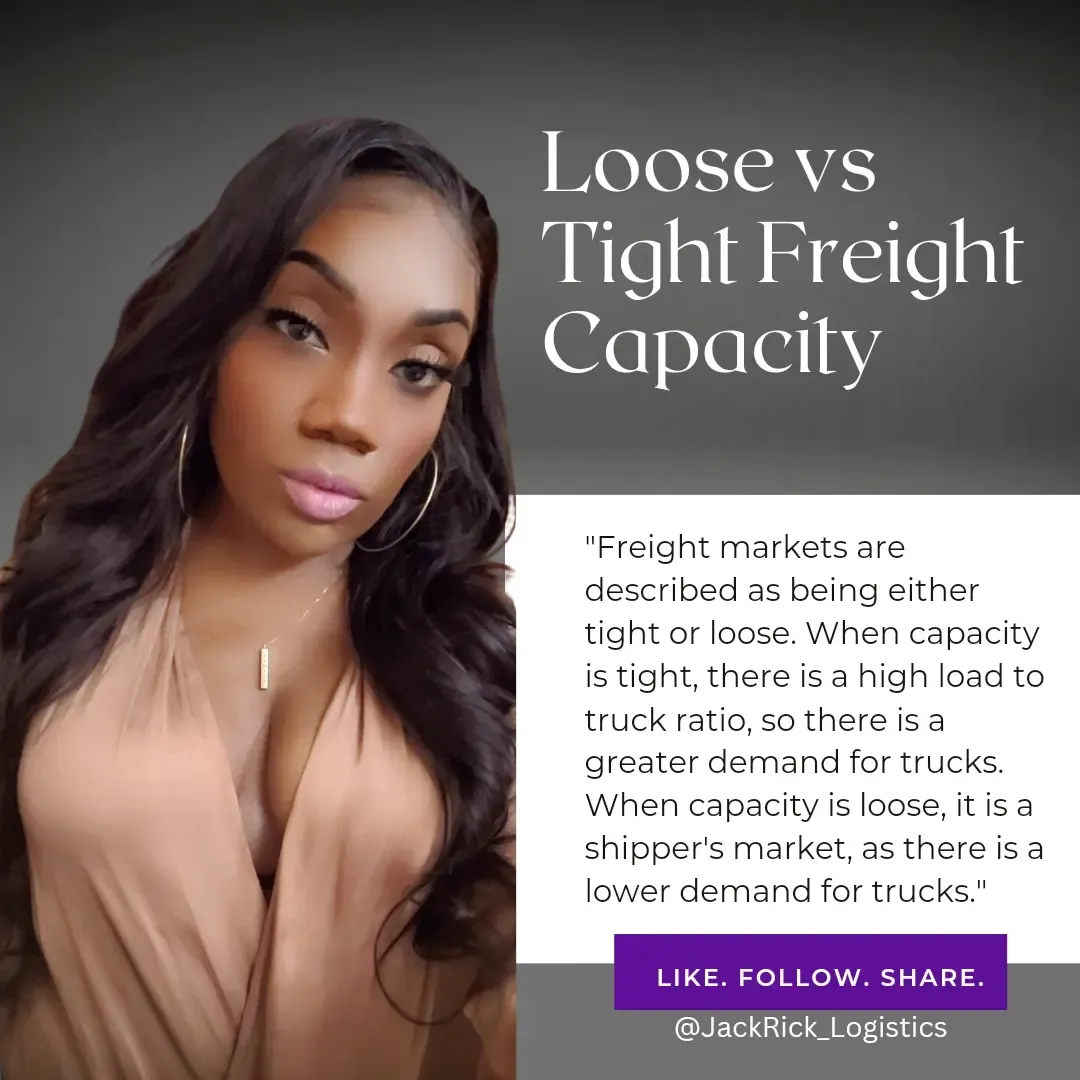
Virginia sends freight out readily — the port, the distribution corridors and the northeast pull are all outbound. The return leg is where a Virginia carrier's week is won or lost, and it has to be planned before the outbound is accepted rather than after the trailer is empty in Pennsylvania.
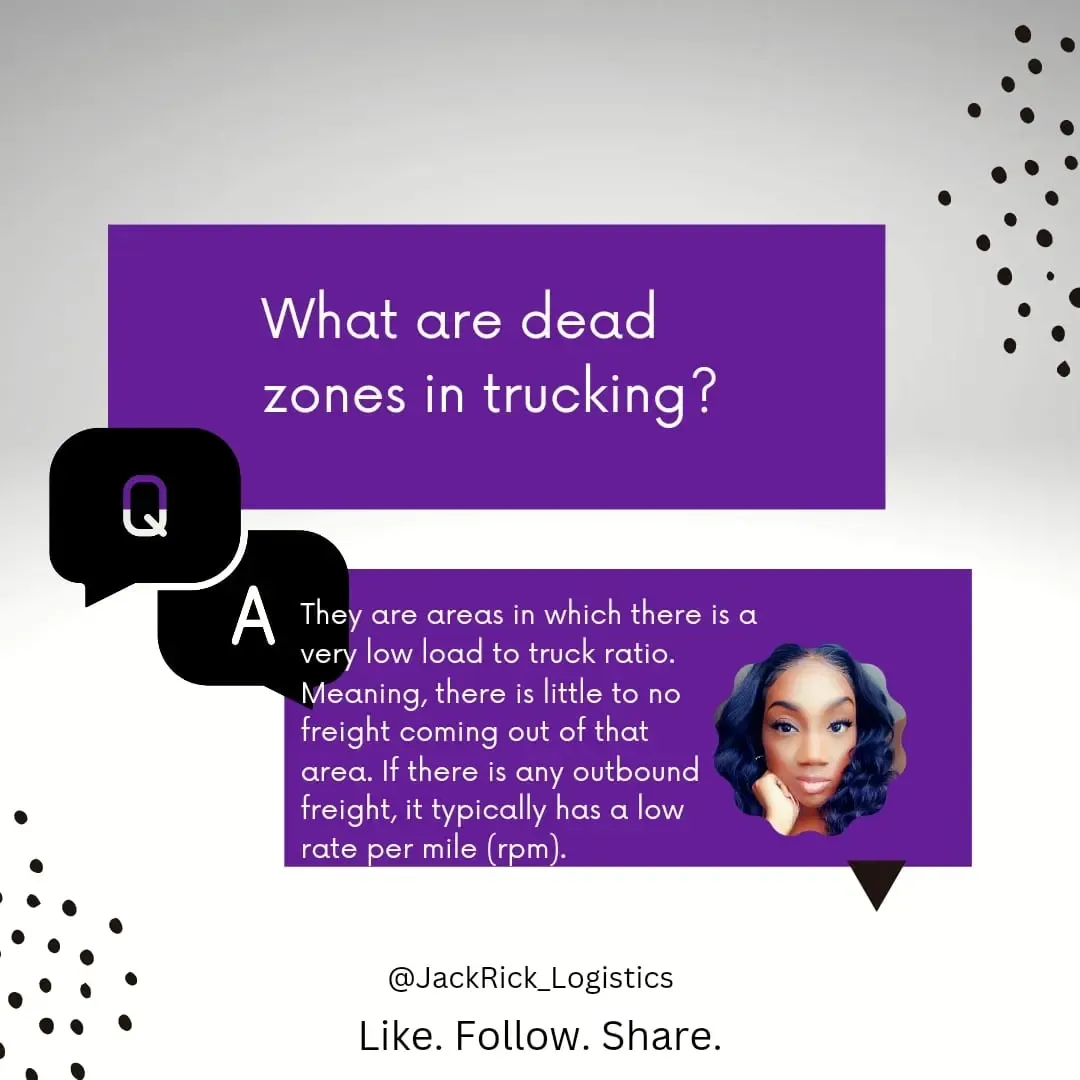
Dead zones can be profitable, though. Before booking a load, check to see if there are any local runs in that area.
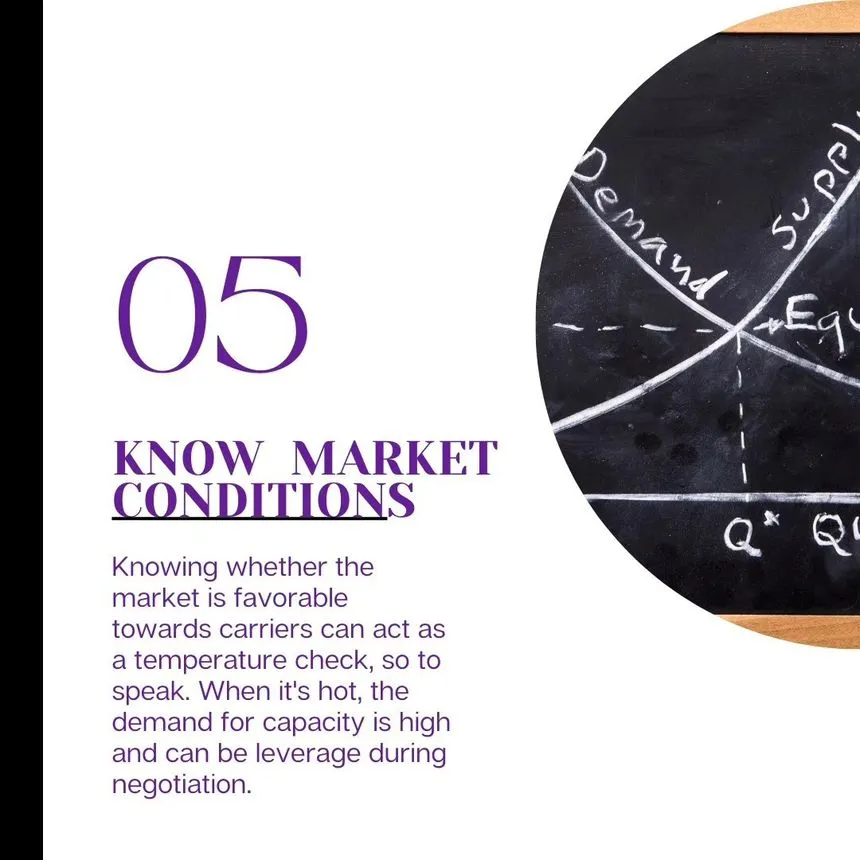
The same discipline applies to weather. I-81 in winter and I-64 over the Blue Ridge are not lines on a map, and the Hampton Roads Bridge-Tunnel closes.
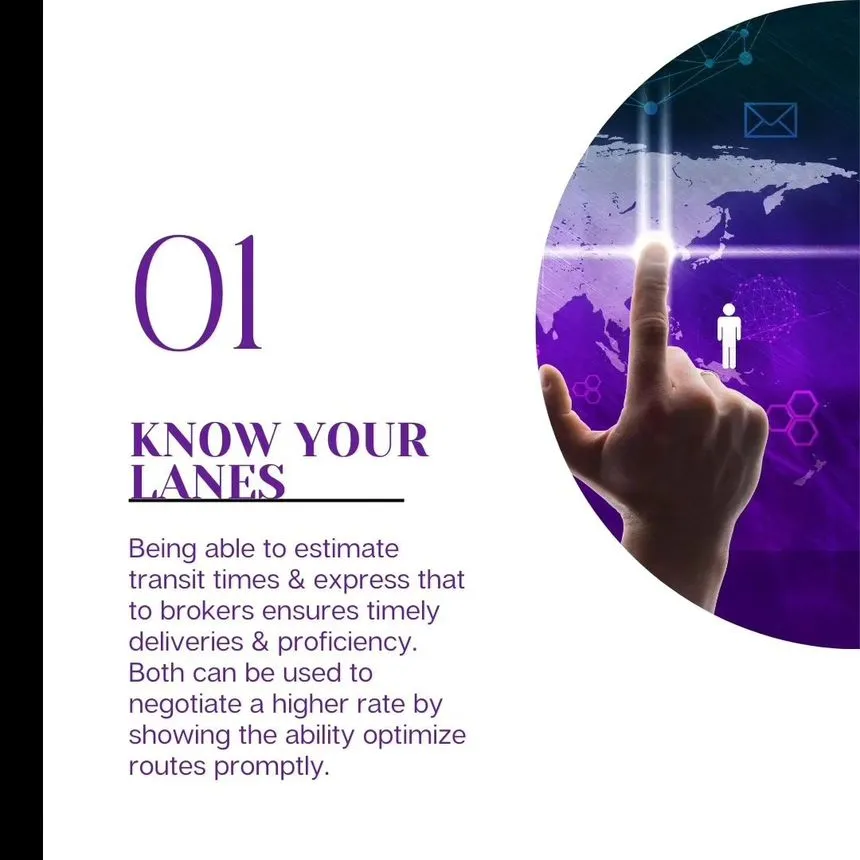
A good dispatcher doesn't just book loads, we optimize routes
Based in Hampton Roads
The office is in Virginia Beach. If you are running out of Virginia Beach, Norfolk, Chesapeake, Portsmouth, Suffolk, Hampton or Newport News, there is a page specifically for you — including the local lanes and the port detail.
Truck dispatch in Virginia Beach →
And the part no other dispatch service in the state offers: Shay Denise is a licensed property and casualty broker as well as your dispatcher, so a certificate problem gets caught by the person already looking at your week.
Dispatching, fleet management, and insurance aren’t separate. They work together!
Tell me what you're running in Virginia
Equipment, home base, and the lanes you like. If dispatch will not make you money, that is what you will hear.


Virginia dispatch questions
Do you dispatch Virginia carriers running out of state?
Yes — most of the work is nationwide. Being based in Virginia matters for knowing the lanes and the markets, not for restricting where your truck goes.
What are the main freight corridors in Virginia?
I-95 runs the whole eastern seaboard through Richmond and Fredericksburg toward DC and the northeast. I-64 crosses east–west from Hampton Roads through Richmond to the Blue Ridge and into West Virginia. I-81 runs the Shenandoah Valley on a diagonal and carries enormous through-freight between the northeast and the south. I-85 drops southwest from Petersburg toward the Carolinas.
What is different about running freight in Virginia?
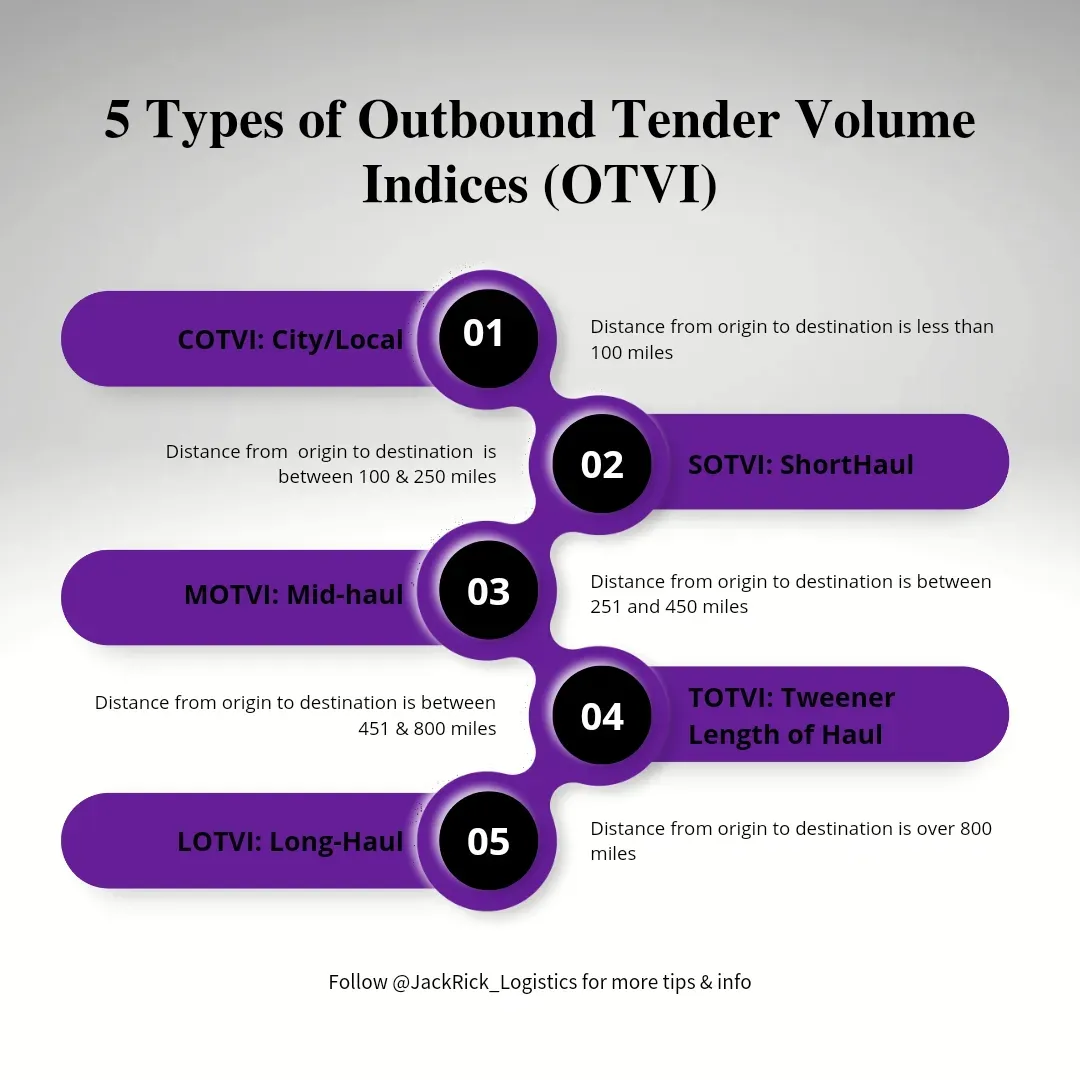
Three things. The Port of Virginia generates drayage and inland container volume with its own rules and clocks. The DC metro area at the top of I-95 has restrictions and congestion that wreck naive route plans. And the state is long east to west, so a load that looks regional on a map can eat a full day crossing it.
Do you handle Port of Virginia drayage?
Port work runs on appointment systems, chassis availability, per diem and demurrage clocks that keep running whether or not you can get through the gate. If you are working NIT or the other terminals, tell me what your turn times look like and we can talk honestly about whether dispatch adds value.
What about IFTA and IRP for Virginia carriers?
If you cross state lines in a qualifying vehicle you need IFTA fuel tax reporting and IRP apportioned plates, both administered through Virginia as your base jurisdiction. They are renewals with deadlines, which is exactly the category of thing that quietly deactivates a working authority.
What does dispatch cost?
A flat 10% per load, invoiced every Friday, 30 days' notice to leave with no penalty.