Dispatch services for owner-operators
With one truck you are the driver, the dispatcher, the compliance department and the back office. A dispatch service takes the second, third and fourth of those — or it should.
This page is about how to compare services, including the four questions that reveal more than any sales call.



The four questions that actually tell you something
Every dispatch service will tell you they negotiate hard and care about your business. These four are harder to answer with a slogan.
- 01 Is the percentage on gross or on linehaul?
The single biggest hidden variable. On a $2,000 gross load with $300 fuel surcharge and $150 detention, 10% of linehaul is $155 and 10% of gross is $200 — a 29% difference at the same headline rate. Get it in writing.
- 02 Are there setup fees or weekly minimums?
A quoted percentage with an undisclosed weekly minimum is not the price you think it is, and it hurts most in exactly the weeks you can least afford it.
- 03 How many carriers do you book for, and who gets the good load?
A fair question with a legal edge. FMCSA treats exercising discretion in allocating loads between competing carriers as brokerage rather than dispatch. Where that line sits →
- 04 How do I leave, and what does it cost?
A long lock-in with an early-termination fee tells you what the service expects your experience to be.
Published rates, from named services
Most comparison pages state a range and cite nothing. Below is what three named dispatch services publish on their own sites, each read on August 16, 2026.
| Source | Range | Most common | Flat fee |
|---|---|---|---|
| iDispatchHub | 3%–10% | 4%–7% for full-service; 8%–10% for full back office | $250–$500 per truck |
| Freight Girlz | 3%–10% | 7%–8% for owner-operators and small fleets | $300–$650 per week per truck |
| Truck Dispatch Experts | 4%–10% | 5%–8%; by equipment, 5%–7% dry van and 7%–10% hotshot/box truck | Semi $150–$400; box truck and hotshot $200–$500 |
Surveyed August 16, 2026. Pricing pages change without notice.
JackRick charges 10%, which is the top of that range. The case for it — and the situation where a flat fee beats it — is set out in full on the pricing page rather than hidden here.

What a one-truck operation actually needs
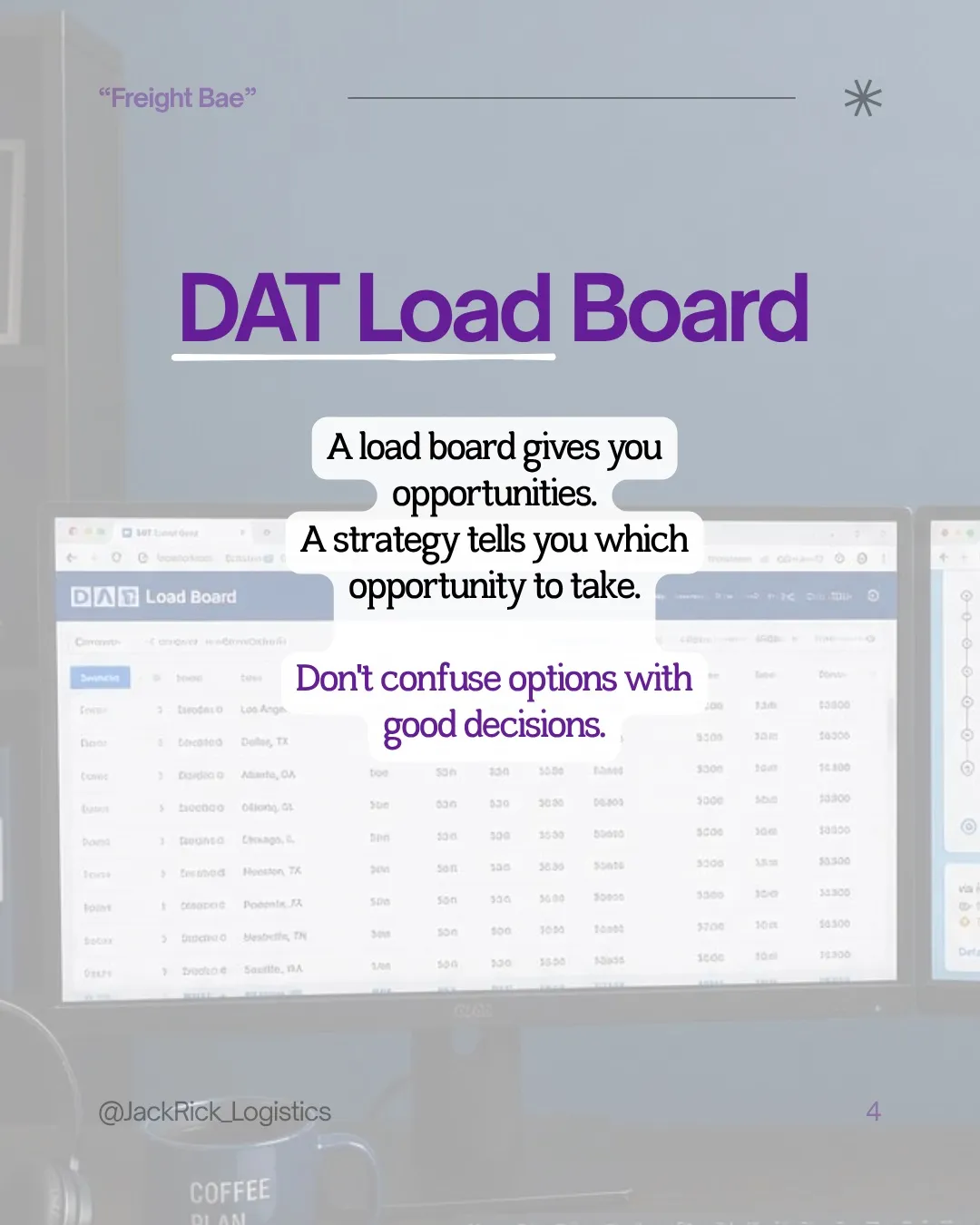
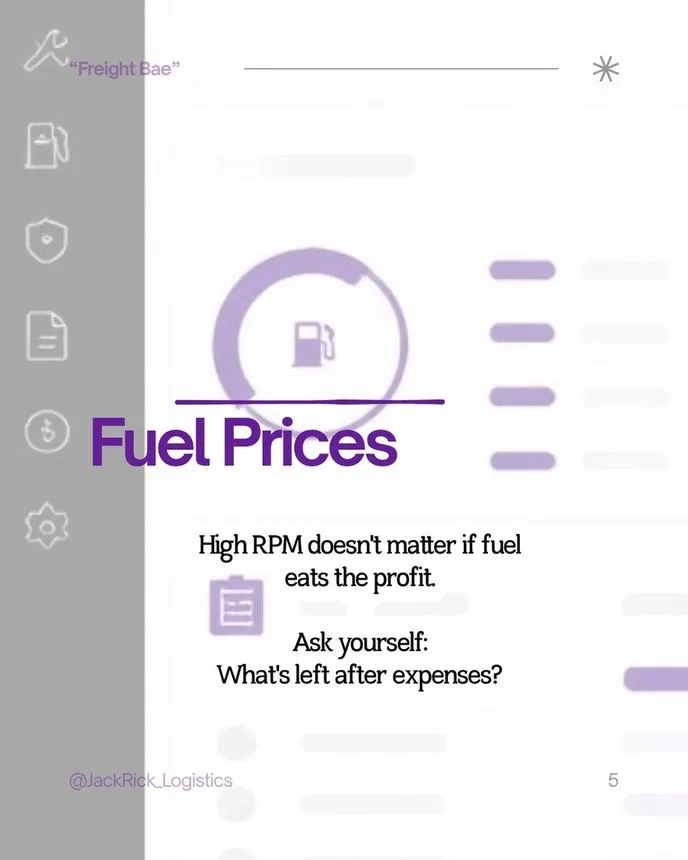
The problem with one truck is not that you cannot find loads. It is that every hour spent finding them is an hour not driving, and every dollar of overhead lands on a single revenue source.
- Someone negotiating while you drive. You cannot work the phone at 65mph, and the best loads are gone by the evening.
- The return leg planned before the outbound is booked. With one truck a bad reload is not an inconvenience, it is your week.
- Broker vetting. One non-paying broker is a much bigger share of your year than it is for a fleet.
- Compliance dates tracked. Nobody else is watching your UCR renewal.
- Someone to call at 3am when a receiver turns you away and you are out of hours.
It's about helping carriers make informed business decisions. The best dispatchers become your partner.



When you should not hire one
Worth saying on the page that is trying to sell you the service. Skip dispatch if you are already clearing your revenue target, your paperwork is current, your broker relationships are solid, and you genuinely do not mind the phone work. Plenty of experienced owner-operators run better alone, and being told otherwise by someone charging 10% is not advice.
Ask me the four questions
All four have straight answers here. Call (757) 744-2484 and ask them.



Owner-operator dispatch questions
What should a dispatch service do for a one-truck operation?
Find and negotiate freight, plan the route around revenue per day and reload opportunity, vet the broker before you accept, keep your carrier packets and documents current, handle check calls and problems while the load moves, and flag compliance and insurance issues before they cost you a load. If all you get is load-board links forwarded to your phone, you are paying a dispatch rate for a subscription.
How do I compare dispatch services?
Four questions settle most of it. Is the percentage on gross or linehaul? Are there setup fees or weekly minimums? How many other carriers are they booking for, and who gets the good load? And how much notice do you need to give to leave? A service that answers all four plainly is telling you something about how they operate.
How many carriers should my dispatcher have?
There is no magic number, but you are entitled to ask — and to ask how loads get allocated when two of their carriers are empty in the same market on a Friday. It is also a legal question: FMCSA treats exercising discretion in allocating loads between competing carriers as brokerage, not dispatch.
Am I locked in?
Here, no — 30 days' written notice, no penalty, no long-term contract. Elsewhere, read the termination clause before you sign. A long lock-in with an early-exit fee is the clearest signal that a service expects you to want out.
Do I still talk to brokers myself?
You can, and some owner-operators keep their best relationships direct. Tell your dispatcher which brokers you already work with so you are not both calling the same people — that duplication is embarrassing and it weakens your position.
Should I use a dispatcher at all?
If you are consistently hitting your revenue target, your paperwork is current, your broker relationships are established and you do not mind the phone work, dispatch is a cost rather than an investment. That is a real answer and sometimes the right one.