Commercial truck insurance cost
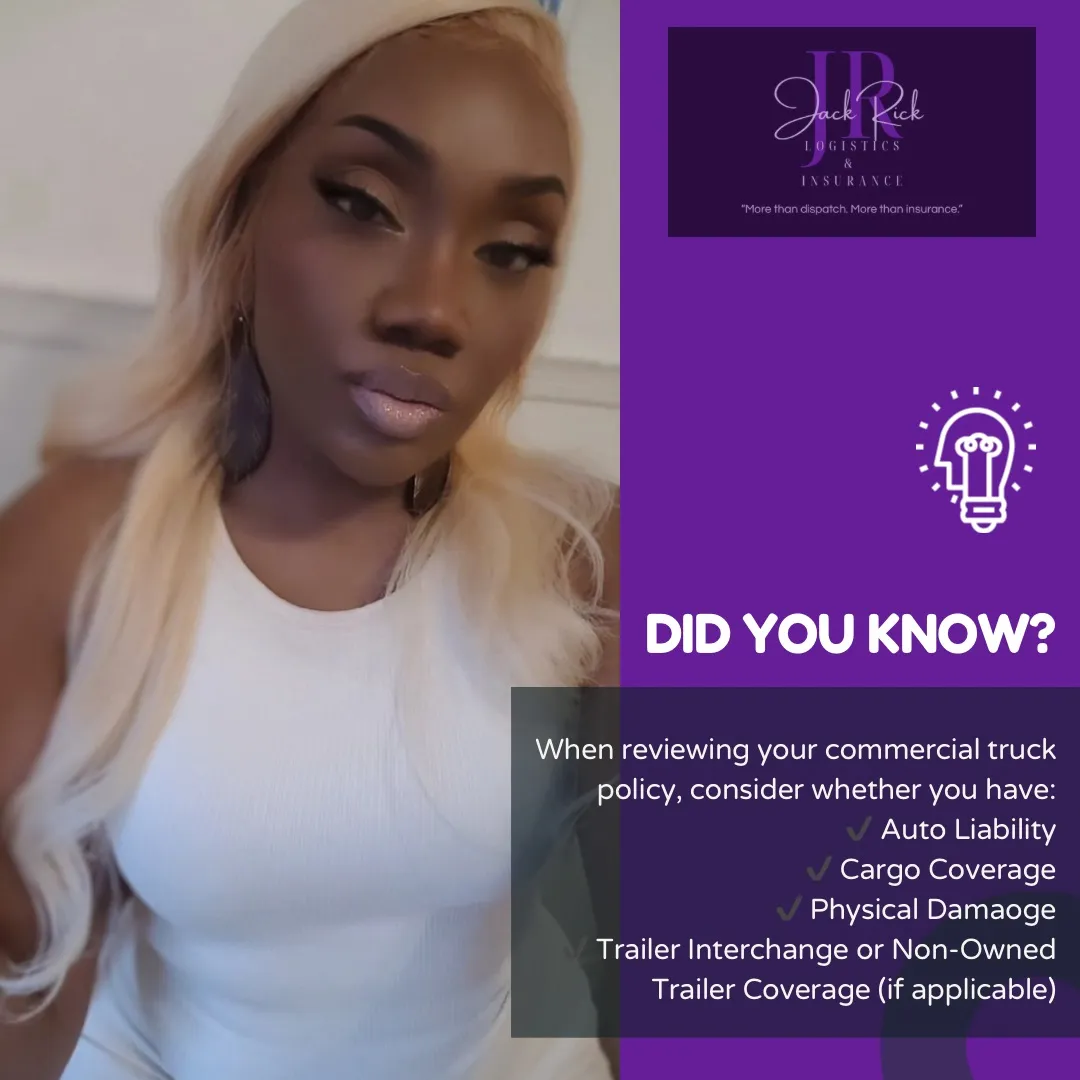
A commercial trucking policy is not one price, it is a stack of coverage lines priced separately. Auto liability is usually most of the bill; physical damage scales with your equipment; cargo is smaller than people expect.
Because it is individually underwritten, the useful question is not "what does it cost" but "which line is driving my number, and is it doing so for a reason I can change".

Every site quoting a national average premium is describing an operator who does not exist. What follows is where the money actually goes and which parts you control.
Where the premium goes
| Line | Relative share | What moves it |
|---|---|---|
| Auto liability | Largest, often the majority | Driving record, radius, authority age, limits |
| Physical damage | Second largest | Equipment value and age, deductible, theft risk |
| Motor truck cargo | Modest | Commodity above all, then limit and radius |
| General liability | Small | Premises and contract requirements |
| Occupational accident | Small | Benefit level and waiting period |
| Trailer interchange | Small | Required limit in the interchange agreement |
| Cyber liability | Small | Revenue, data held, controls in place |
Knowing the shape of the stack tells you where negotiation is worth your time. Shaving the cyber premium is not where the money is; getting the liability rating right is.
What you cannot go below
For-hire carriers hauling non-hazardous property in vehicles with a GVWR of 10,001 lb or more must carry at least $750,000 in public liability coverage.
Commonly got wrong: Part 387 was last amended 91 FR 45660, 21 Jul 2026 — the $750,000 figure survived that amendment.
No motor carrier may operate a vehicle until it has obtained and has in effect the minimum levels of financial responsibility.
Commonly got wrong: Violating §387.7(a) is an automatic failure of the new-entrant safety audit on a single occurrence — 49 CFR 385.321(b), table item 9.
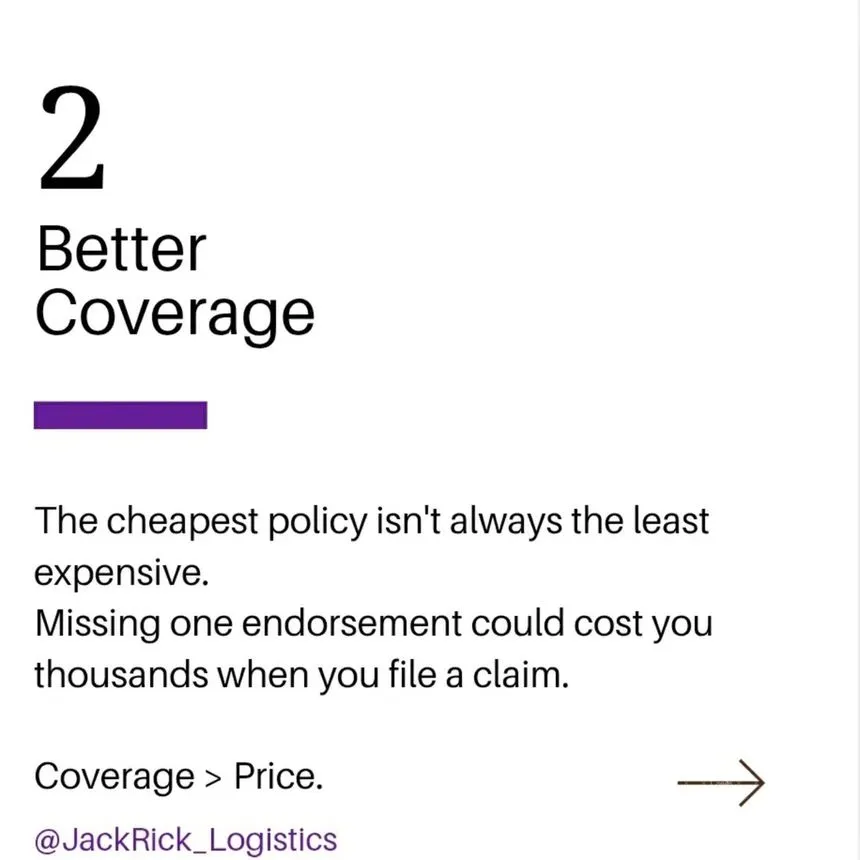
And the practical floor is higher than the legal one, because brokers commonly require $1,000,000 in liability and around $100,000 in cargo before they will tender freight. Insurance bought below what your customers require is not a saving, it is a barrier to getting loaded.
Don't buy insurance just to activate your authority.
What you control, and what you do not
You control
- Deductibles, especially on physical damage
- Limits, above the required floor
- Reported radius — be accurate, not optimistic
- Payment frequency; annual usually beats monthly
- Which coverages you actually need for the work you do
- Your MVR, over time
- Whether you shop the first renewal or let it roll
You do not control
- Authority age, except by waiting
- Prior loss history
- Market conditions and carrier appetite
- The commodity you have built a business around
- Where you are garaged, mostly
The most valuable item on the left is the last one. A clean year moves you into a different pricing class, and an automatic renewal captures none of that benefit.
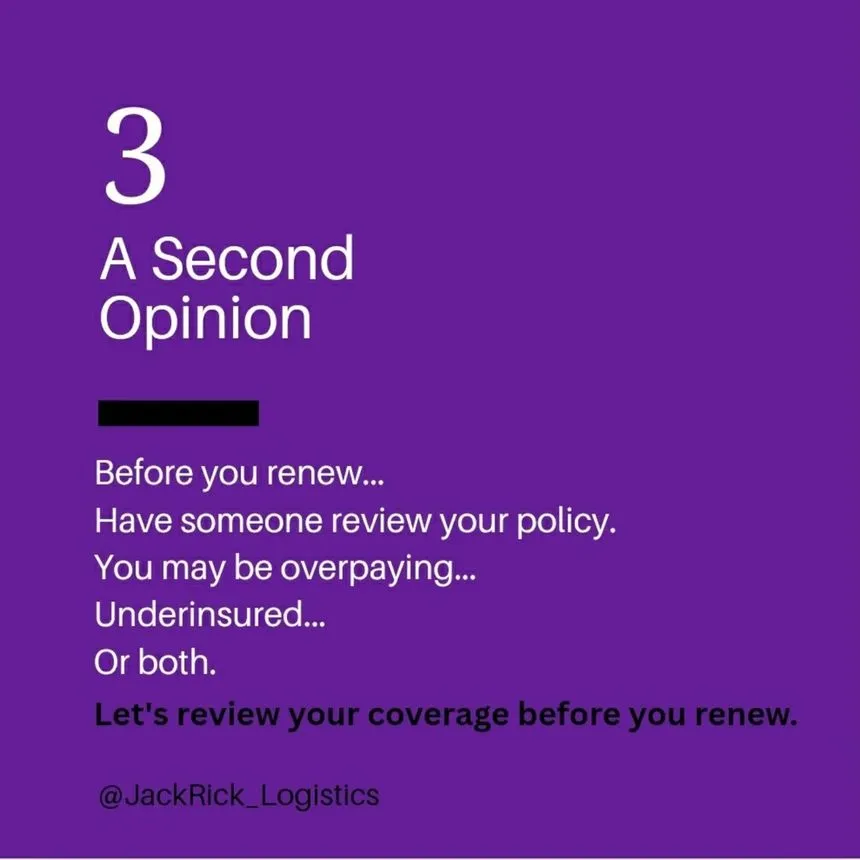
Has anyone actually reviewed my policy, or am I JUST letting it renew?
Find out which line is costing you
Send your declarations page. The useful conversation is not "can you beat this" — it is which line is driving the number and whether it is doing so for a reason you can change.
Insurance is offered through Shay Denise, a licensed property and casualty producer. Coverage is subject to the terms, conditions and exclusions of the policy actually issued. Nothing on this page is a binder, a quote, or an offer of coverage.


Commercial truck insurance cost questions
What makes up the total cost of a commercial trucking policy?
Auto liability is usually the largest single line, often the majority of the bill. Then physical damage, which scales with the value of your equipment. Then cargo, which is smaller than people expect. Then the supporting lines — general liability, occupational accident, trailer interchange, cyber — which are individually small and collectively meaningful.
Why do quotes vary so much between carriers?
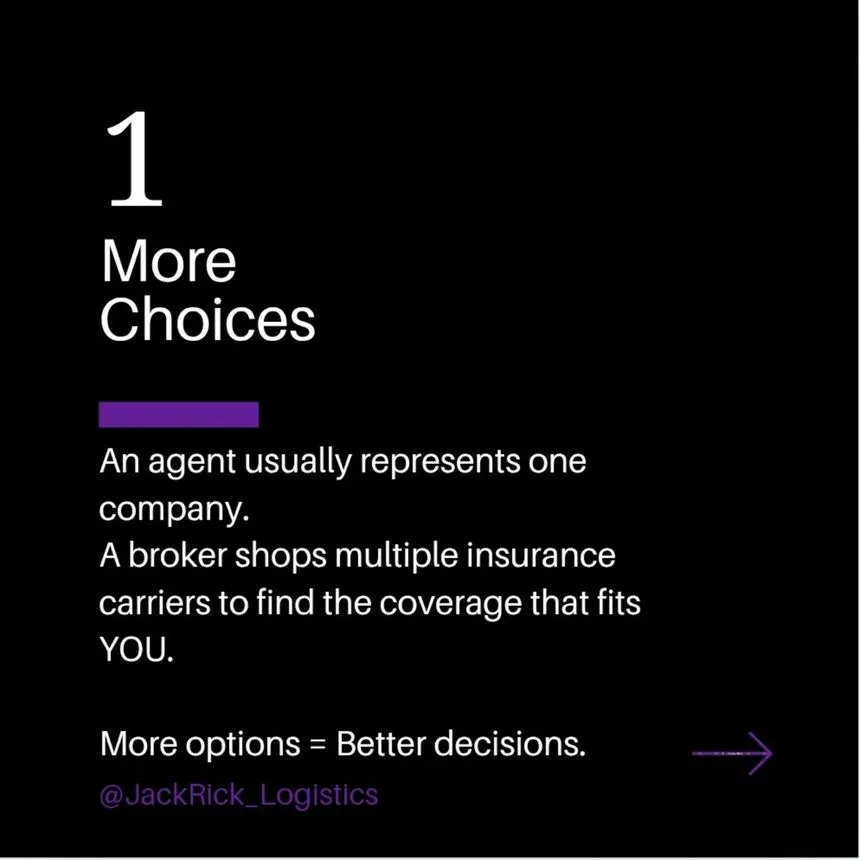
Because insurance carriers have different appetites. One is comfortable with new authorities, another will not write them. One wants regional dry van, another prefers flatbed. The same operation genuinely is worth different premiums to different underwriters, which is the entire argument for using a broker who can shop it rather than an agent who represents one company.
Is the cheapest quote the best?
Only if the coverage matches. Cheap quotes are usually cheap for a reason: a lower cargo limit, higher deductibles, a restricted radius that does not match how you run, or a coverage left out entirely. Compare the limits, the deductibles and the exclusions side by side before comparing the premium.
How much does a new authority add?
A lot, and it is the single biggest variable in the first year. A new authority has no loss runs and no safety record, so it is priced as its class rather than as an individual operator. That is also why the first renewal — after one clean year — is the highest-value shopping opportunity you will get.
Can I pay monthly?
Usually, and it usually costs more. Installment plans carry finance charges that are often larger than the saving from switching carriers. If you can fund the year, ask what the annual figure is before assuming monthly is the only option.
What should I never cut to save money?
Liability limits below what your brokers require, because you will not get loaded. Cargo below the value of what you actually haul. And a deductible you could not pay tomorrow — a deductible you cannot fund turns a covered loss into an uncovered one.