Motor truck cargo insurance
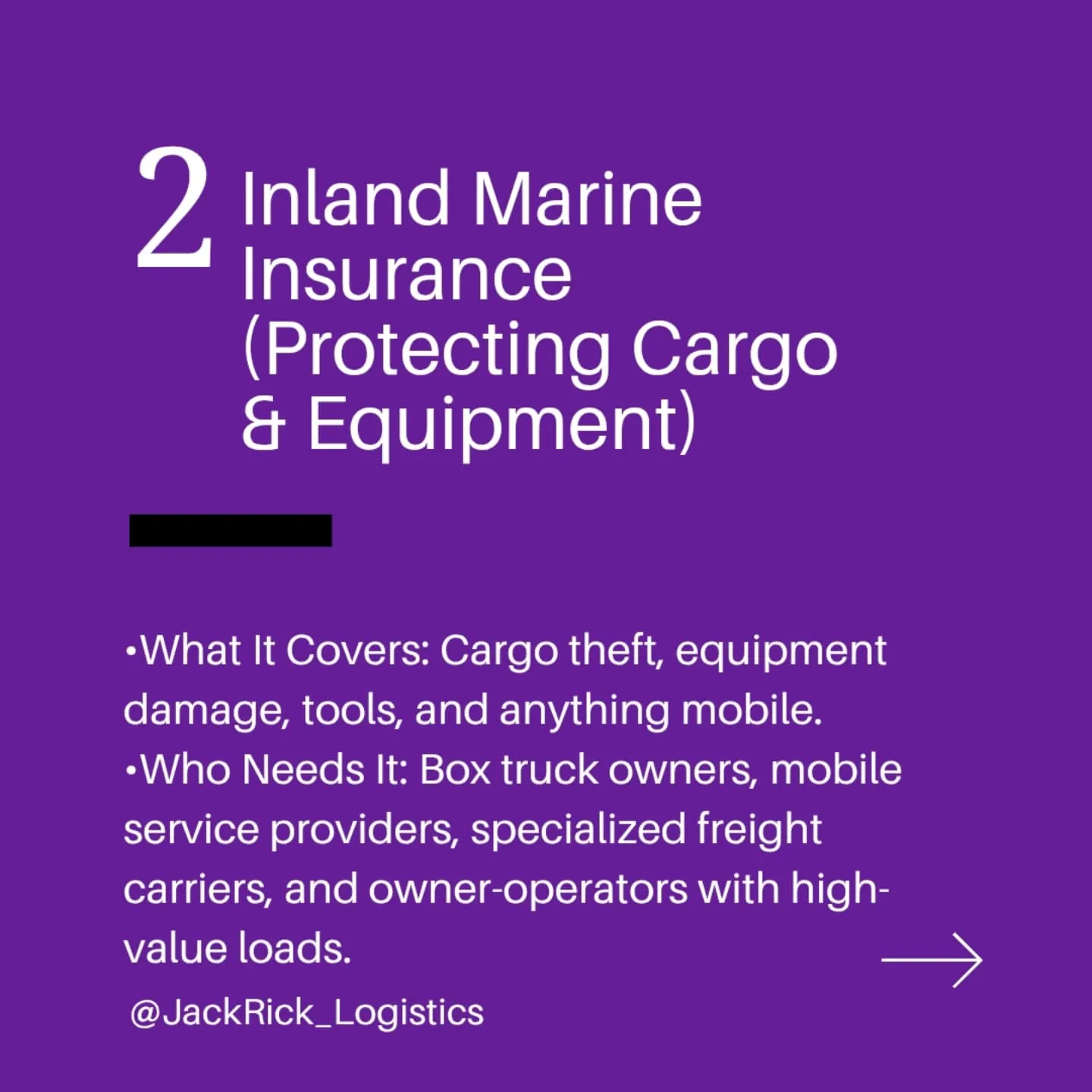
Cargo insurance covers the freight you are hauling while it is in your care, custody and control.
For general freight it is not federally required — the federal cargo rules reach household goods carriers only. You still need it, because every broker packet demands it. That requirement comes from your customers, not from FMCSA, and the difference changes how you should choose the limit.


Required by your broker, not by the regulator
There is no federal cargo-insurance minimum and no federal cargo filing requirement for general freight. The federal cargo rules reach household goods carriers only.
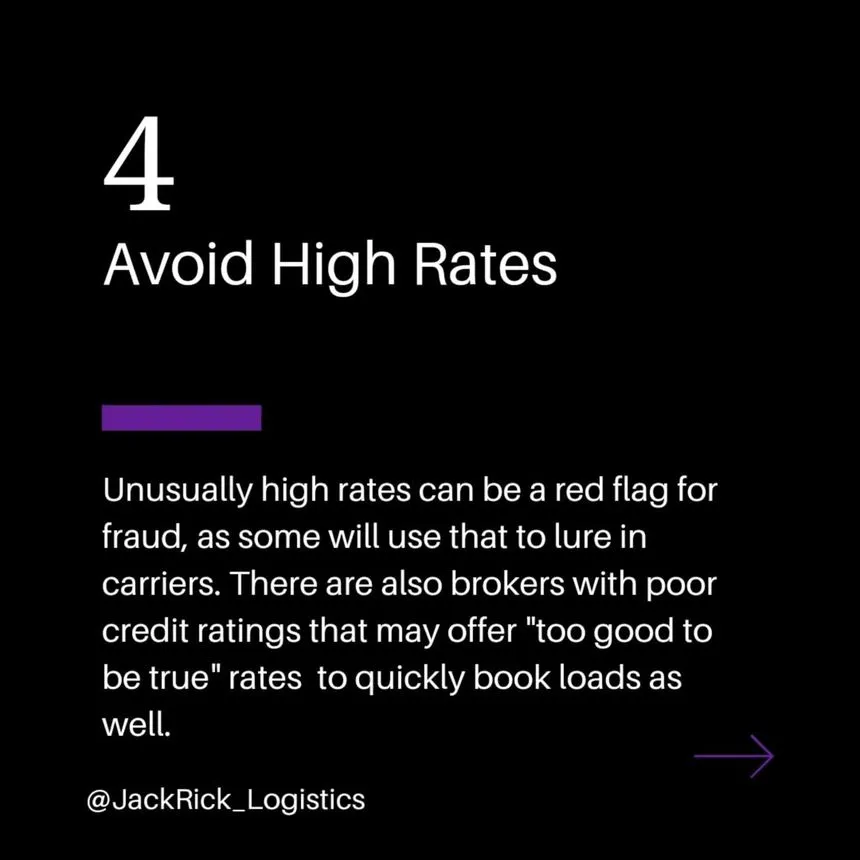
Commonly got wrong: THE most misreported figure in the industry. §387.301T(b) is headed "Household goods motor carriers-cargo insurance" and its prohibition reaches only household goods carriers. §387.303T(c) is headed "Household goods motor carriers: Cargo liability". There is no $100,000 anywhere in Part 387 — that number is a broker and shipper CONTRACT norm, not a regulation. Important caveat to publish alongside it: carrier liability for loss or damage to general freight is a separate body of law (the Carmack Amendment, 49 U.S.C. 14706) and is unaffected. No insurance mandate does not mean no liability.
Household goods carriers must file cargo security of $5,000 for loss or damage on any one vehicle, and $10,000 for losses occurring at any one time and place.
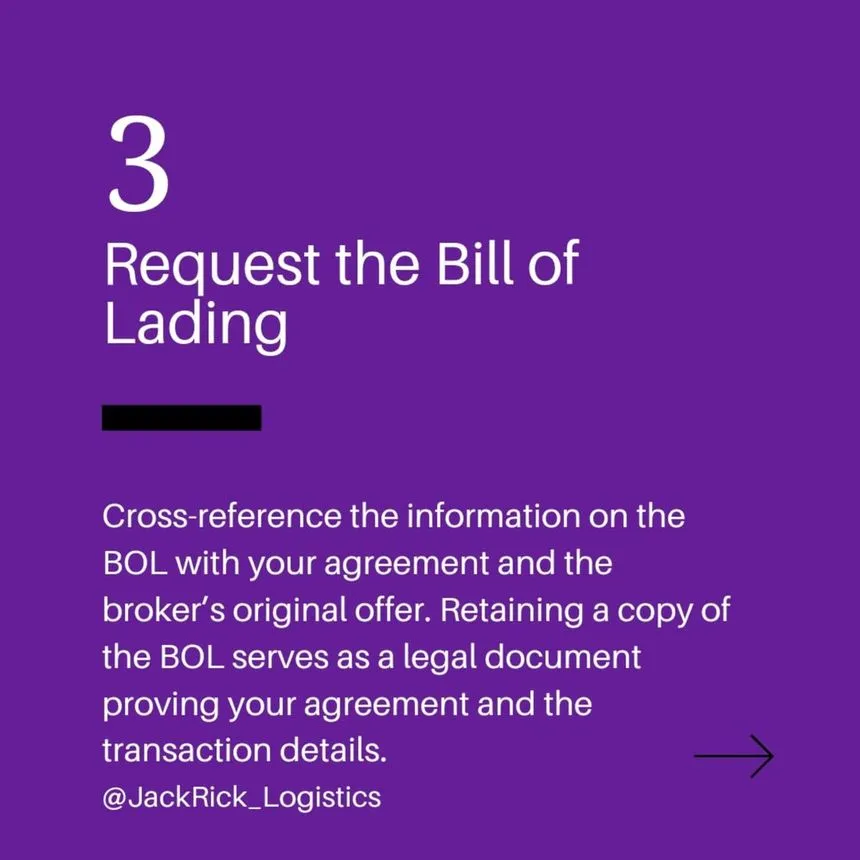
Why this matters practically rather than pedantically: if you believe cargo insurance is a federal box to tick at a fixed number, you buy the cheapest thing that ticks it. Once you understand it as a commercial requirement set by the people who give you freight, the right questions appear — what limit do my brokers actually ask for, what am I hauling, and what happens if this trailer is emptied overnight at a truck stop.
No insurance mandate does not mean no liability. Your responsibility for loss or damage to freight comes from the Carmack Amendment (49 U.S.C. 14706) and is unaffected by whether you bought a policy. Without cover, you carry that risk personally.
Match the limit to the freight, not to the cheapest certificate
| What you haul | Commonly required | Why |
|---|---|---|
| General dry van | $100,000 | The standard broker packet requirement |
| Refrigerated / produce | $100,000+ with breakdown endorsement | Spoilage is a total-load loss, and often excluded from the base form |
| Electronics, pharma, alcohol, metals | $250,000 and up | Theft-targeted; brokers will not tender without the limit |
| Machinery and equipment | Value of the single largest piece | One item can exceed the whole rig's value |
| Household goods | Federal filing applies | The one category with an actual federal cargo requirement |
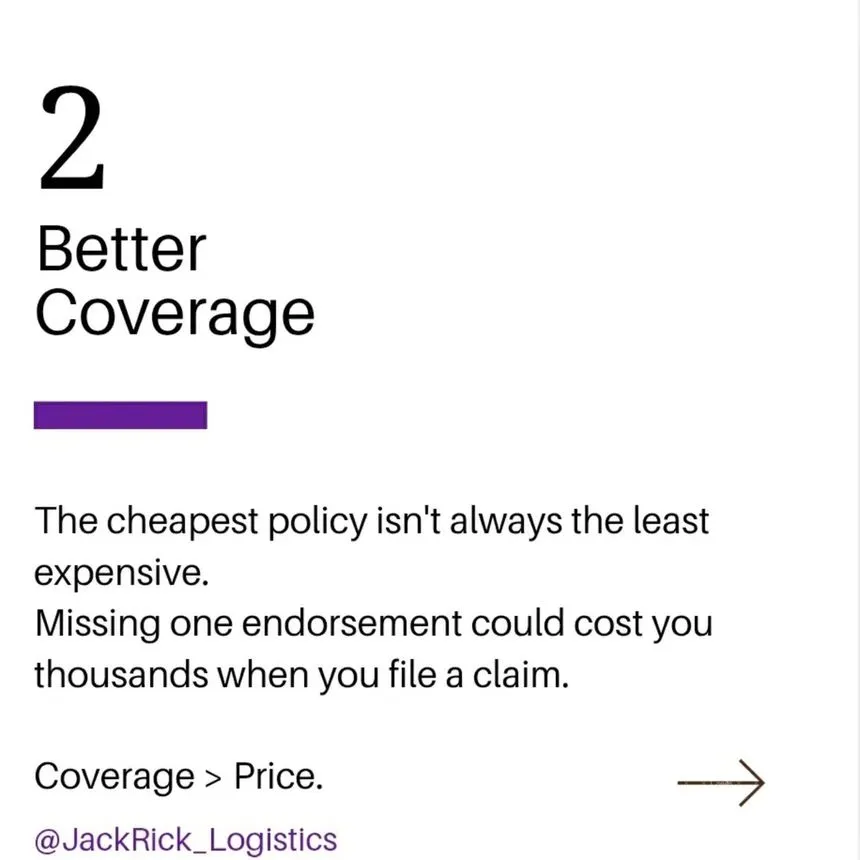
A limit that satisfies a packet but not the load is a certificate, not protection.
The exclusions that decide claims
- Unattended vehicle theft — frequently excluded or heavily limited, which is precisely the scenario most theft occurs in. Check how your policy defines "attended".
- Refrigeration breakdown — usually a separate endorsement, and often requires the reefer download as proof the unit was running at the set point.
- Excluded commodities — listed in your policy. Take one and you are uninsured for that load, and you find out at claim time.
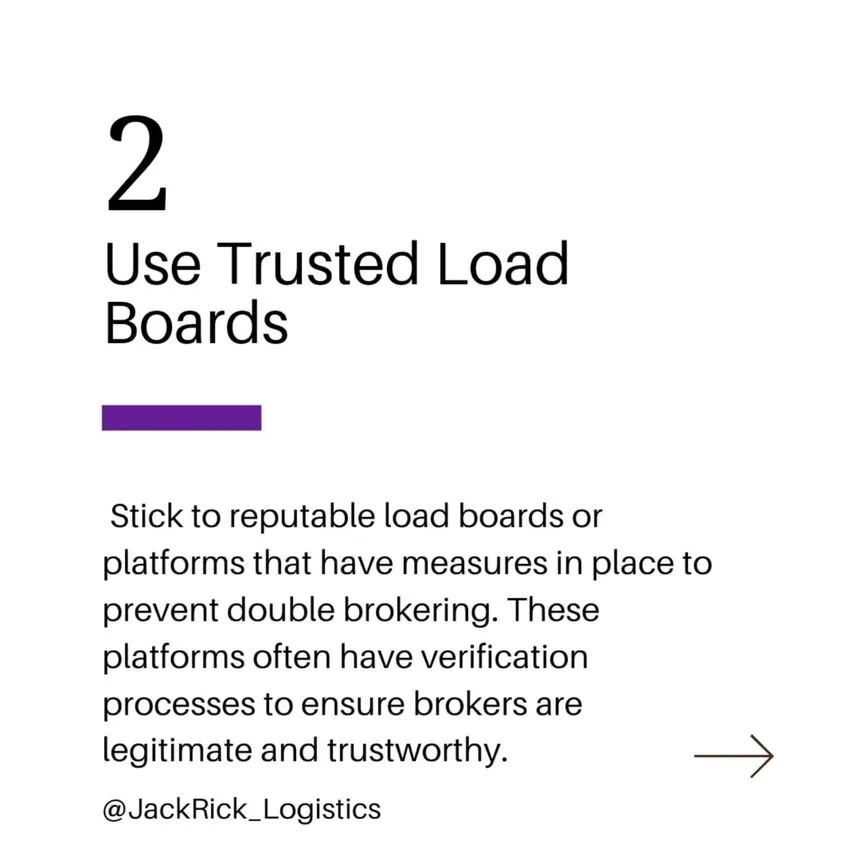
- Fictitious pickup and double-brokering — identity-based losses often fall outside a standard cargo form entirely.
- Improper securement or loading — if the loss traces to how it was secured, coverage gets argued.
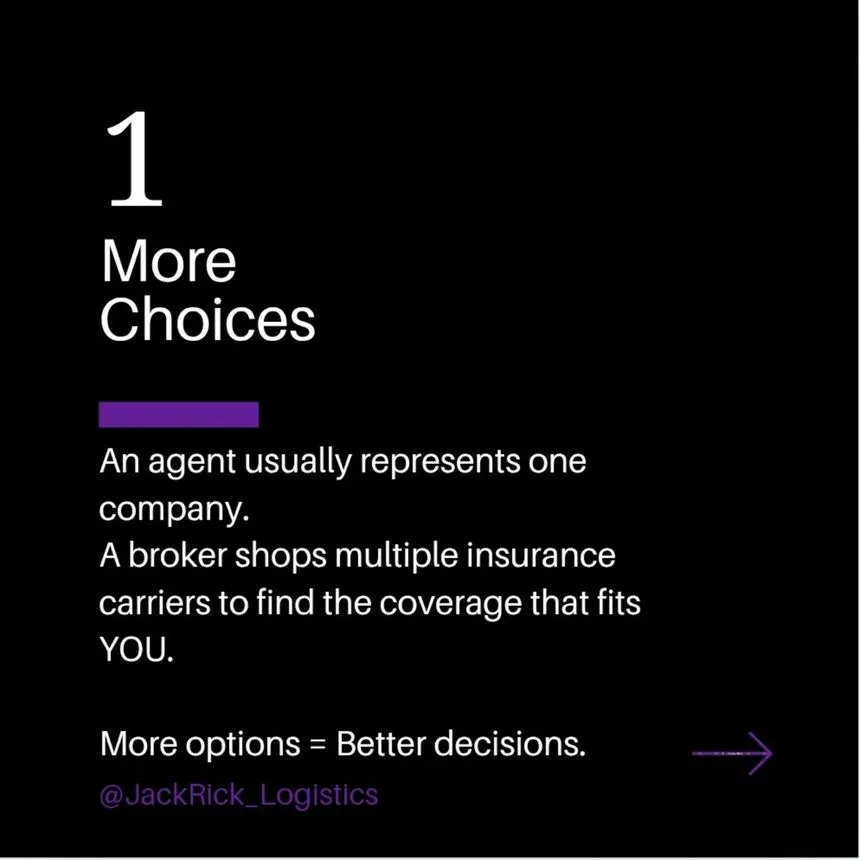
I don’t believe in telling business owners, “You need this policy,” without explaining WHY. I want you to understand the risk first. Then, we can talk about the solution.
Have the policy read against how you actually run
Send your declarations page and tell me what you haul. Most carriers have never had anyone check their cargo form against their actual freight — which is where the gap usually is.
Insurance is offered through Shay Denise, a licensed property and casualty producer. Coverage is subject to the terms, conditions and exclusions of the policy actually issued. Nothing on this page is a binder, a quote, or an offer of coverage.

Cargo insurance questions
What does motor truck cargo insurance cover?
Loss of or damage to the freight you are hauling, while it is in your care, custody and control. It does not cover your truck (that is physical damage) or injury and damage you cause to others (that is auto liability).
Is it federally required?
For general freight, no. The federal cargo insurance rules reach household goods carriers only, at $5,000 / $10,000 (49 CFR 387.303T(c)(1)–(2)). There is no federal cargo minimum and no federal cargo filing for general freight. The $100,000 everyone quotes is a broker and shipper contract norm.
So why does everyone say it is required?
Because in practice it is — just not by FMCSA. Every broker carrier packet requires a certificate showing cargo coverage before they will tender you a load. The requirement is real; the source is your customer, not the regulator. That distinction matters because contract terms are negotiable and regulations are not.
If I have no cargo insurance, am I off the hook for damaged freight?
No, and this is the dangerous misreading. Your liability for loss or damage to freight comes from the Carmack Amendment (49 U.S.C. 14706) and applies whether or not you bought a policy. Not being required to insure a risk is not the same as not carrying it — it just means you carry it personally.
What limit should I carry?
Enough to cover the most valuable load you will ever be under. $100,000 satisfies most dry van broker requirements. High-value electronics, pharmaceuticals, alcohol or metals routinely need $250,000 or more, and a broker will not tender that freight to a carrier without the limit.
What is most often excluded?
Unattended vehicle theft, refrigeration breakdown, specific listed commodities, employee dishonesty, fictitious pickup and double-brokering losses, and damage traced to improper securement or loading. Reading the exclusions before you buy is the entire job.