Reefer dispatch service
Refrigerated freight posts the higher rate and carries the higher risk. Reefer dispatch is really about two things dry van never asks of you: managing temperature liability, and trading the seasons instead of being traded by them.
Flat 10% per load, invoiced every Friday.


The higher rate is not the whole story
A reefer load pays more than the equivalent dry van load. Before you count that as profit, subtract what dry van does not pay for:
- Reefer fuel. The unit burns diesel independently of the tractor, and on a continuous-run load it burns it all day and all night.
- Unit maintenance. Servicing, belts, and the eventual major repair. A reefer is a second engine you are responsible for.
- Time. Pre-cooling before pickup, temperature checks, and facilities that are frequently slower than dry van docks.
- Claims exposure. A dry van damage claim is usually a few pallets. A temperature failure can be the entire load, and the load can be worth six figures.
None of that makes reefer a bad business. It makes reefer a business where knowing your cost per mile is not optional, because the gap between the posted rate and the profit is much wider than it is in dry van.
A $4.00/mile load isn't always better than a $2.20/mile load.
The five habits that prevent temperature disputes
Almost every reefer claim comes down to an argument about what the temperature was and who is responsible. These habits win that argument before it starts.
- 01 Pre-cool before you arrive. Pulling down a warm trailer with product already in it is the single most common cause of a rejected load.
- 02 Get the set point in writing, and reconcile it. If the rate confirmation and the bill of lading disagree, resolve it before loading. Afterwards, you own the discrepancy.
- 03 Know continuous versus cycle. Running cycle-sentry on a load that required continuous is a losing position no matter what the trailer recorded.
- 04 Photograph product temperature at pickup. If it was already warm when you got it, that is the shipper's problem — but only if you documented it.
- 05 Keep the download. The recorder is the evidence. Many cargo policies require it, and the driver who cannot produce one usually loses.
Worth checking before you take reefer freight: refrigeration breakdown is often a separate endorsement, not part of a standard cargo form. What cargo cover actually costs and excludes →

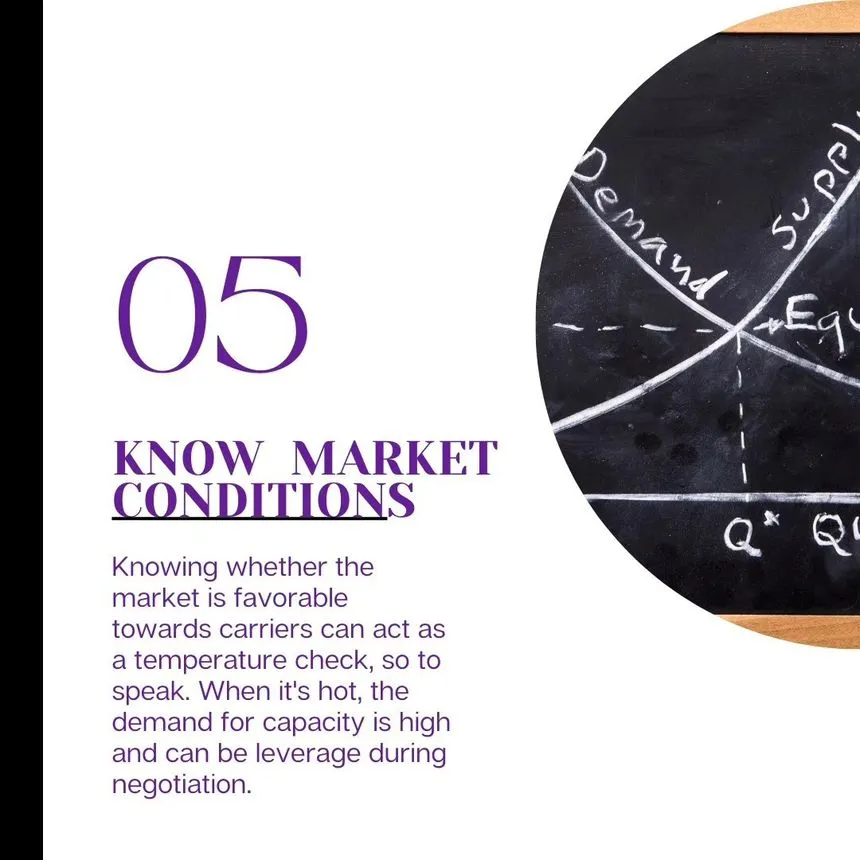


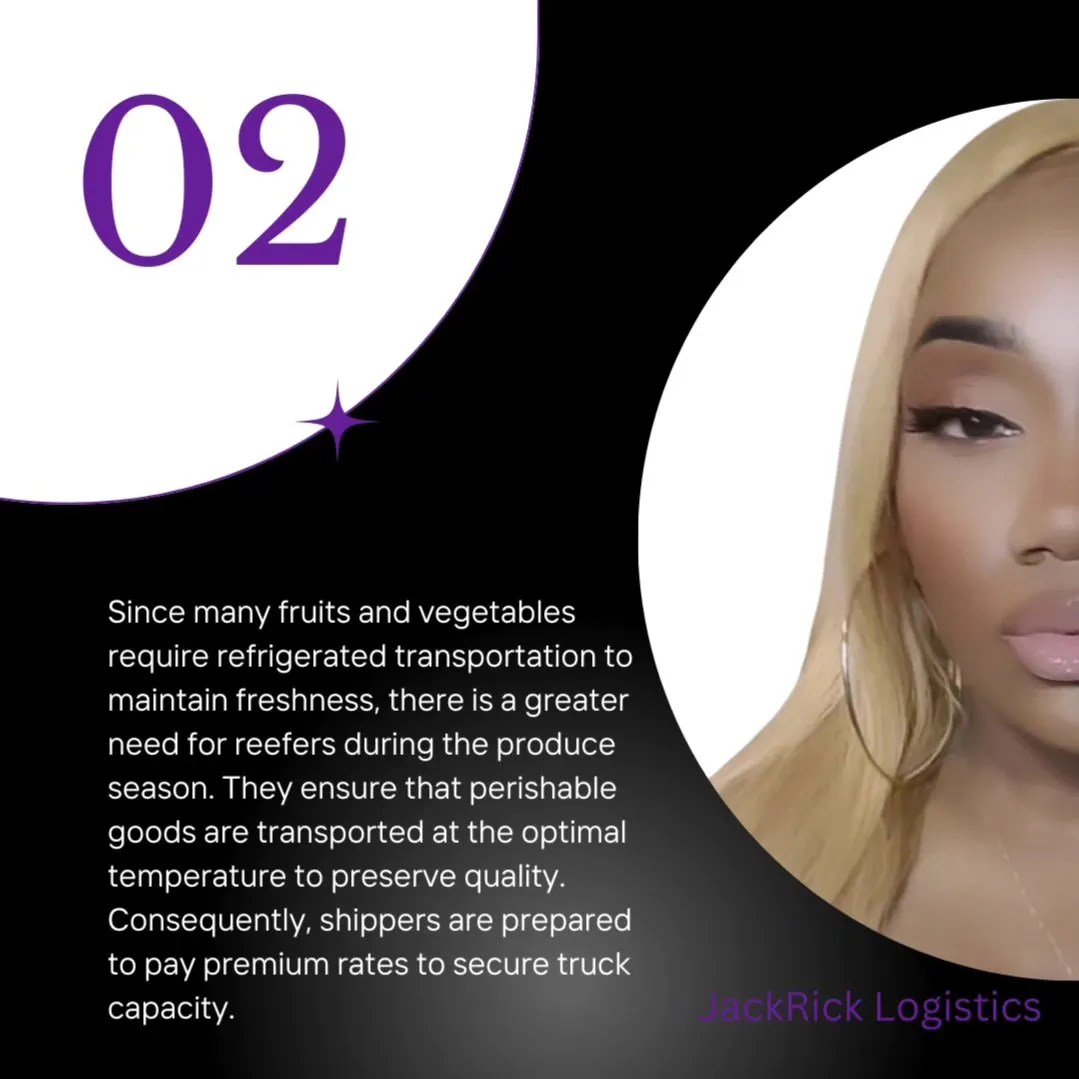
Produce season moves every rate, not just reefer rates
You don't have to ship produce or even be a reefer driver to be affected by the season, as the repositioning of assets to meet & take advantage of truck demands has a spreading impact on trucking in general.
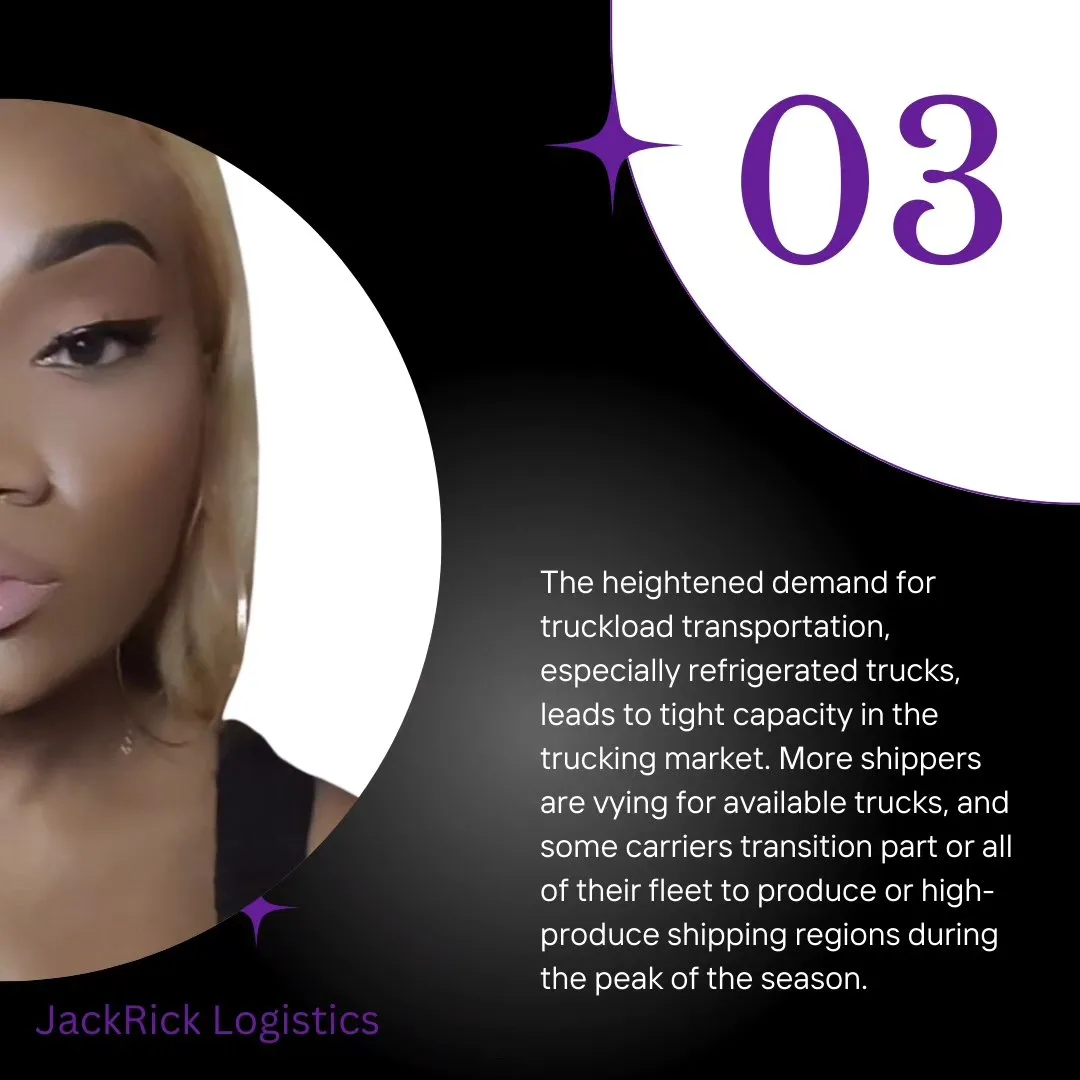
This is the strategic half of reefer dispatch. As harvests move north through spring and summer, reefer capacity repositions to chase produce lanes. That tightens capacity everywhere — which is why a dry van carrier who has never hauled produce still sees rates move.
For a reefer carrier the practical consequences are:
- Position early. Being in the right region when a harvest opens is worth more than any single rate negotiation.
- Outbound gets easy, backhaul gets hard. Everyone is running the same direction; the return leg is where the season is won or lost.
- The end of the season is abrupt. Capacity floods back and rates correct fast. Plan the exit before you need it.
Her point is the one most carriers miss: seasonality is not something that happens to you, it is something you can plan around. That planning is most of what dispatch is for.
When reefer is the wrong choice
If you are new, under-capitalized, or running on thin reserves, reefer is a difficult place to learn. One temperature claim can exceed a month of revenue, and the deductible arrives long before the settlement does. Dry van is the more forgiving classroom.
Reefer suits the carrier who has reserves, keeps documentation reflexively, and is willing to turn down freight where the temperature requirements are vague. If that is not you yet, it is a good thing to grow into rather than start with.

Tell me what you're running
Unit, trailer, the lanes you like and the ones you dread. Reefer rewards planning more than any other equipment type, and that is the part I do.


Reefer dispatch questions
Does reefer pay better than dry van?
The posted rates are higher. Whether the profit is higher depends on three costs dry van does not have: fuel for the reefer unit, maintenance and servicing on the unit, and time spent pre-cooling and waiting at temperature-controlled facilities. Add the claims exposure and reefer is a higher-revenue, higher-risk business rather than simply a better-paying one.
What is produce season and when is it?
It is the spring-through-summer surge as harvests move north across the country. It matters even if you never haul a strawberry, because reefer capacity gets pulled into produce lanes and that repositioning tightens capacity — and lifts rates — across dry van too.
What causes most reefer claims?
Temperature excursions, and the argument afterwards about who caused them. The recurring patterns: the trailer was not pre-cooled, the unit was on cycle-sentry when the load required continuous, the set point on the rate confirmation did not match the bill of lading, or the product was already warm at pickup and nobody documented it.
How do I protect myself on a reefer load?
Pre-cool before you arrive. Photograph the set point and the product temperature at pickup. Get the required temperature in writing on the rate confirmation and check it against the BOL — if they disagree, resolve it before you load, not after. Keep the download. Note continuous versus cycle. Those five habits prevent most disputes.
Does my cargo insurance cover spoilage?
Not automatically. Refrigeration breakdown is frequently a separate endorsement rather than part of the base cargo form, and some policies require the reefer download to prove the unit was running at the set point. This is worth checking before you take reefer freight, not after a claim.
What does dispatch cost?
A flat 10% per load, invoiced every Friday, with 30 days' notice to leave.