The new trucking authority checklist
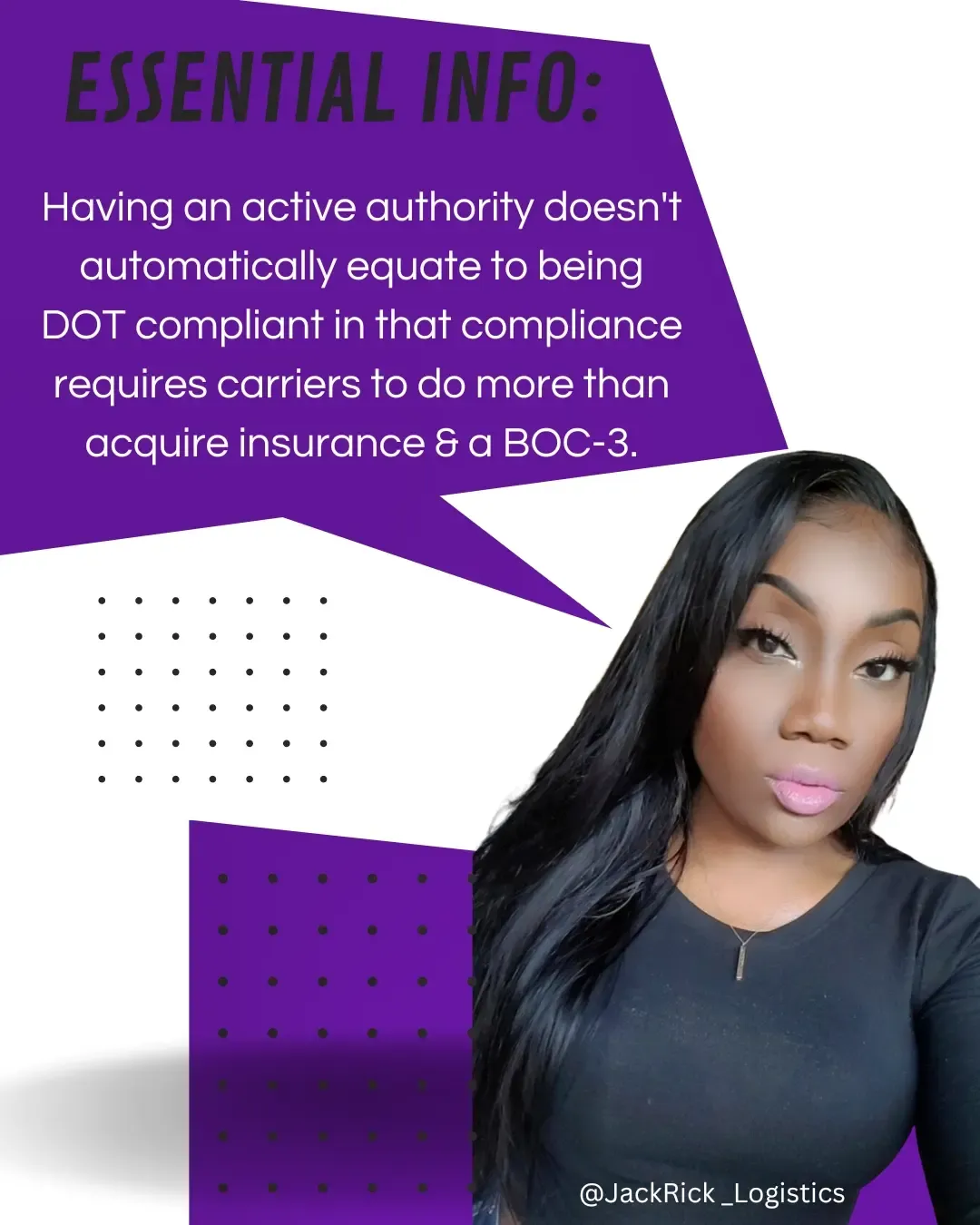
Getting your authority active takes two things: insurance on file, and a BOC-3. Getting your authority compliant takes about nine more, and the gap between the two is where most first-year carriers get caught.
This is the full list, with the regulation behind each item so you can check it yourself rather than take our word for it.

Every regulatory figure on this page was verified against primary sources on August 16, 2026. Citations link to eCFR, IRS or Federal Register text — never to a blog.
Active is not the same as compliant
This distinction is the whole reason this page exists. It is also something Shay has been saying since 2023, long before it became a content topic.
Most carriers don't fail from lack of loads
FMCSA will activate your authority once your insurer files proof of financial responsibility and your process agent designation is on record. Nothing in that process checks whether you have a driver qualification file, whether you are in a testing pool, or whether your ELD is on the registered list. The safety audit checks all of it.
Step one: get the authority active
- 01 Form the business and get an EIN. Do this before anything else — the entity name on your authority is very hard to change later, and it has to match your insurance, your W-9 and your bank account.
- 02 Register with FMCSA and get your USDOT number. It arrives inactive.
- 03 Apply for operating authority (your MC number) if you are a for-hire carrier of non-exempt commodities.
- 04 Buy insurance and have your insurer file it. The filing, not the policy, is what FMCSA sees.
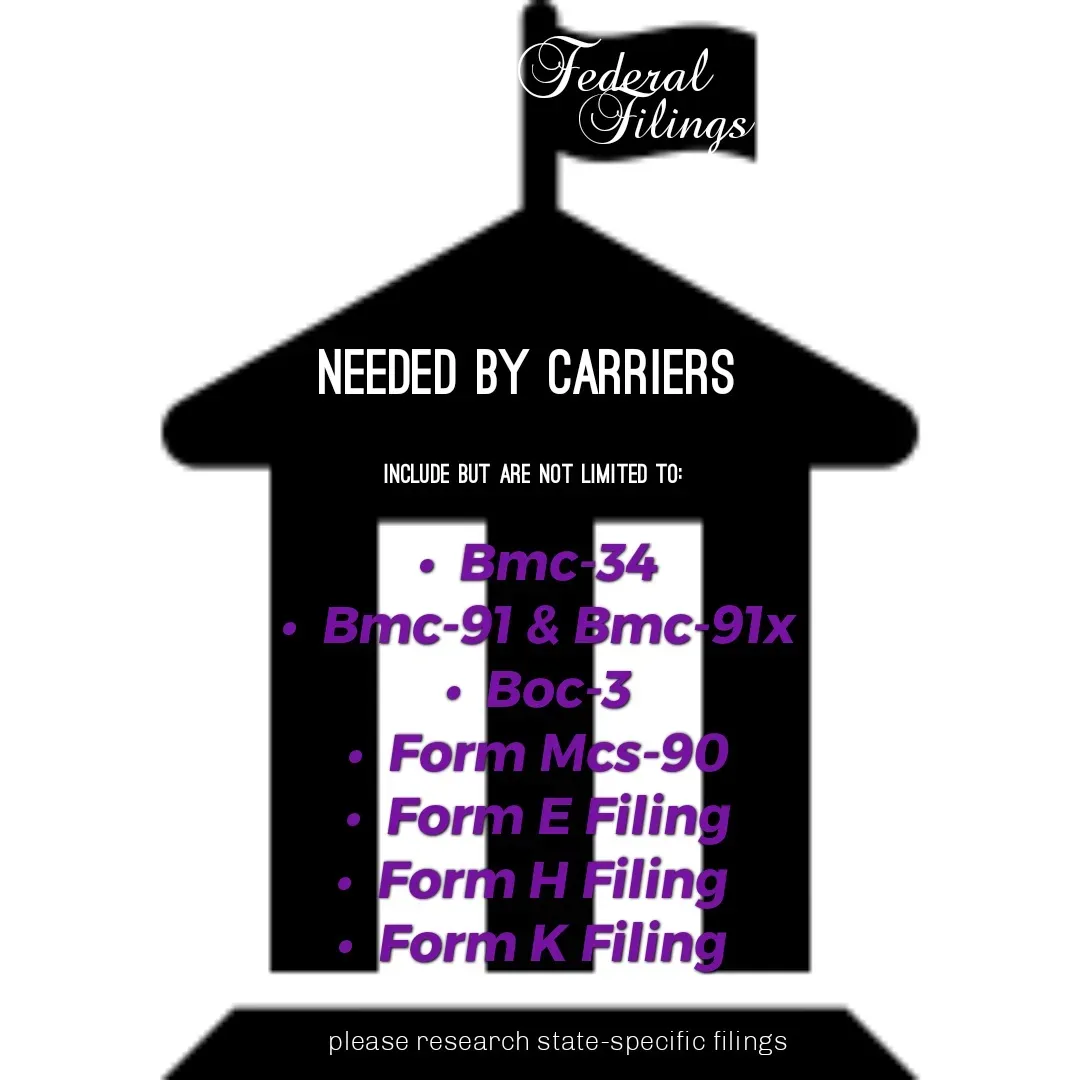
- 05 File the BOC-3 designating a process agent in every state you are authorized in or will travel through.
Your USDOT number is issued inactive. You cannot run, and you cannot put the number on the truck, until FMCSA writes to say it has been activated.
A new entrant is issued an inactive USDOT number. You may not begin operations, or mark a vehicle with the number, until FMCSA gives written notice that it has been activated.
Commonly got wrong: MYTH: "you get your USDOT number and you can start hauling."
No motor carrier may operate a vehicle until it has obtained and has in effect the minimum levels of financial responsibility.
Commonly got wrong: Violating §387.7(a) is an automatic failure of the new-entrant safety audit on a single occurrence — 49 CFR 385.321(b), table item 9.
Every person designated as a process agent must reside in, or maintain an office in, the state for which they are designated. Only one current BOC-3 may be on file, covering all required states.
Commonly got wrong: Do NOT publish "a carrier cannot file its own BOC-3." The regulation contains no such prohibition. It is a residency and office requirement — which is why a carrier authorized in 48 states uses a blanket agent under §366.5T rather than naming itself.
Step two: the coverage, and what is really required
There is a federal minimum, and then there is what your customers will demand. They are not the same number, and buying to the federal figure is the mistake Shay sees most.
Don't buy insurance just to activate your authority.
For-hire carriers hauling non-hazardous property in vehicles with a GVWR of 10,001 lb or more must carry at least $750,000 in public liability coverage.
Commonly got wrong: Part 387 was last amended 91 FR 45660, 21 Jul 2026 — the $750,000 figure survived that amendment.
The Part 387 subpart A minimums do not apply at all to a vehicle with a GVWR under 10,001 lb, unless it carries listed explosives, poisons or radioactives.
Commonly got wrong: MYTH: "$750,000 is the minimum for every trucking company." It is not. It applies to FOR-HIRE, NON-HAZARDOUS, 10,001 lb and over. The $300,000 figure people quote for small vehicles comes from a different subpart — 49 CFR 387.303T(b)(1)(i).
There is no federal cargo-insurance minimum and no federal cargo filing requirement for general freight. The federal cargo rules reach household goods carriers only.
Commonly got wrong: THE most misreported figure in the industry. §387.301T(b) is headed "Household goods motor carriers-cargo insurance" and its prohibition reaches only household goods carriers. §387.303T(c) is headed "Household goods motor carriers: Cargo liability". There is no $100,000 anywhere in Part 387 — that number is a broker and shipper CONTRACT norm, not a regulation. Important caveat to publish alongside it: carrier liability for loss or damage to general freight is a separate body of law (the Carmack Amendment, 49 U.S.C. 14706) and is unaffected. No insurance mandate does not mean no liability.
The MCS-90 is an endorsement attached to your policy and kept at your principal place of business. The document filed with FMCSA is the BMC-91 or BMC-91X certificate.
Commonly got wrong: MYTH: "the MCS-90 is your insurance policy" and "you file the MCS-90 with FMCSA". Two different documents, two different places. The MCS-90 obliges the insurer to pay a judgment even where the policy would otherwise exclude it.
Practically: brokers commonly require $1,000,000 in auto liability before they will work with you, and around $100,000 in cargo. Those are contract terms, not regulations — which means they are negotiable in a way the federal minimums are not, and which means the right limits depend on what you actually plan to haul.
Step three: the compliance nobody tells you about
None of the following is required to activate your authority. All of it is checked at the safety audit, and several items fail the audit on a single occurrence.
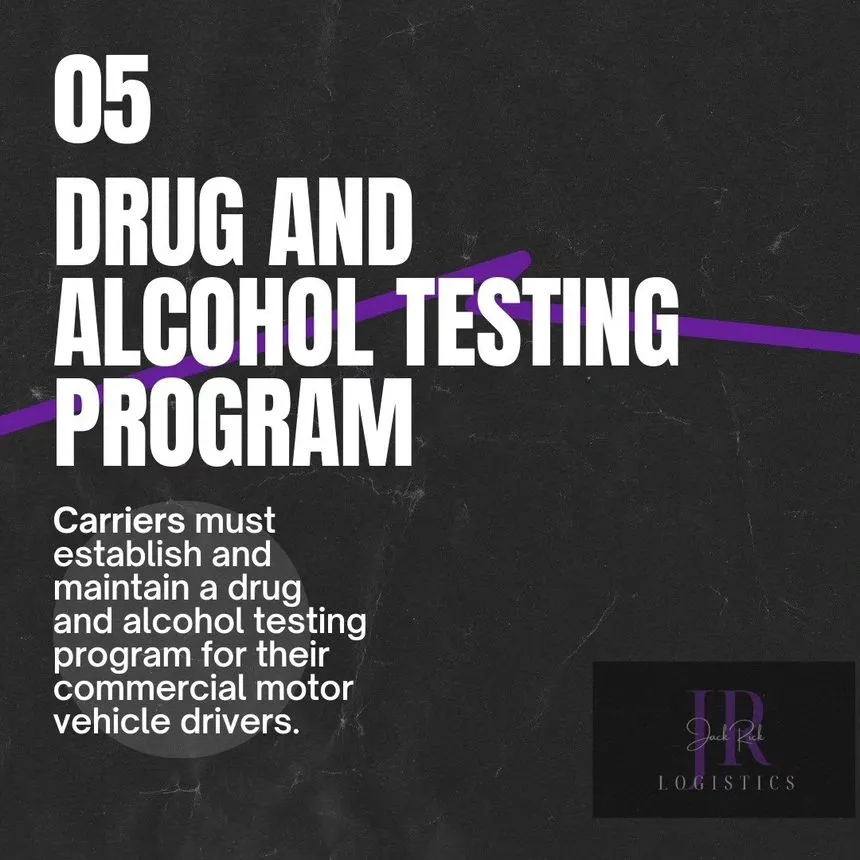
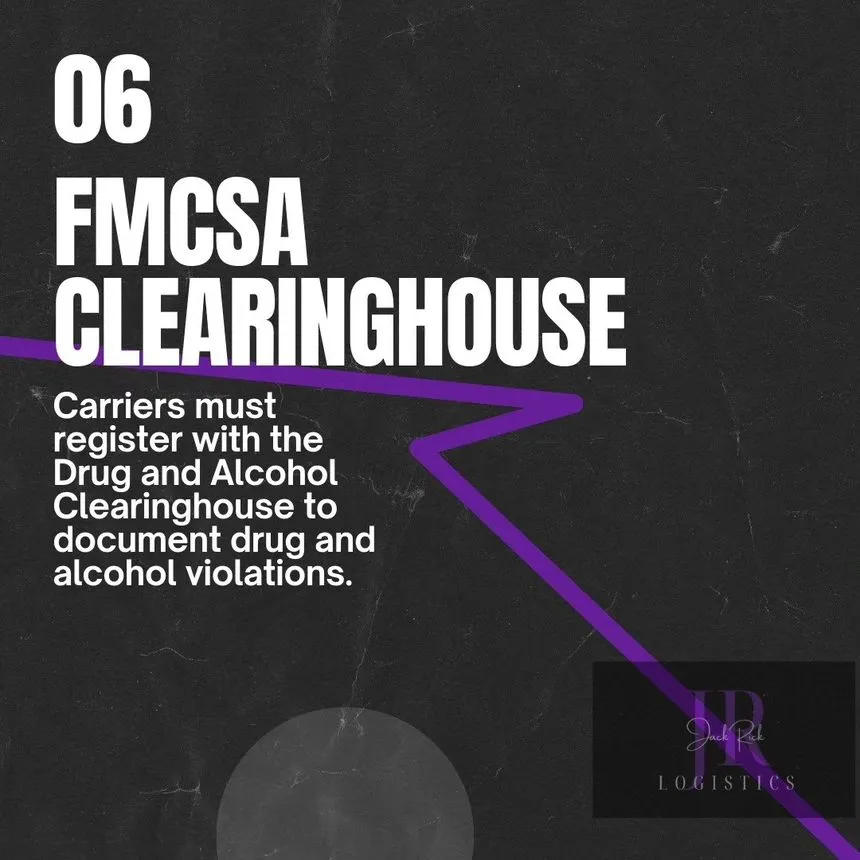
- 06 Drug and alcohol testing program. Pre-employment test, random pool, and Clearinghouse registration. Failing to have a program, or failing to run random testing, are two separate automatic audit failures.
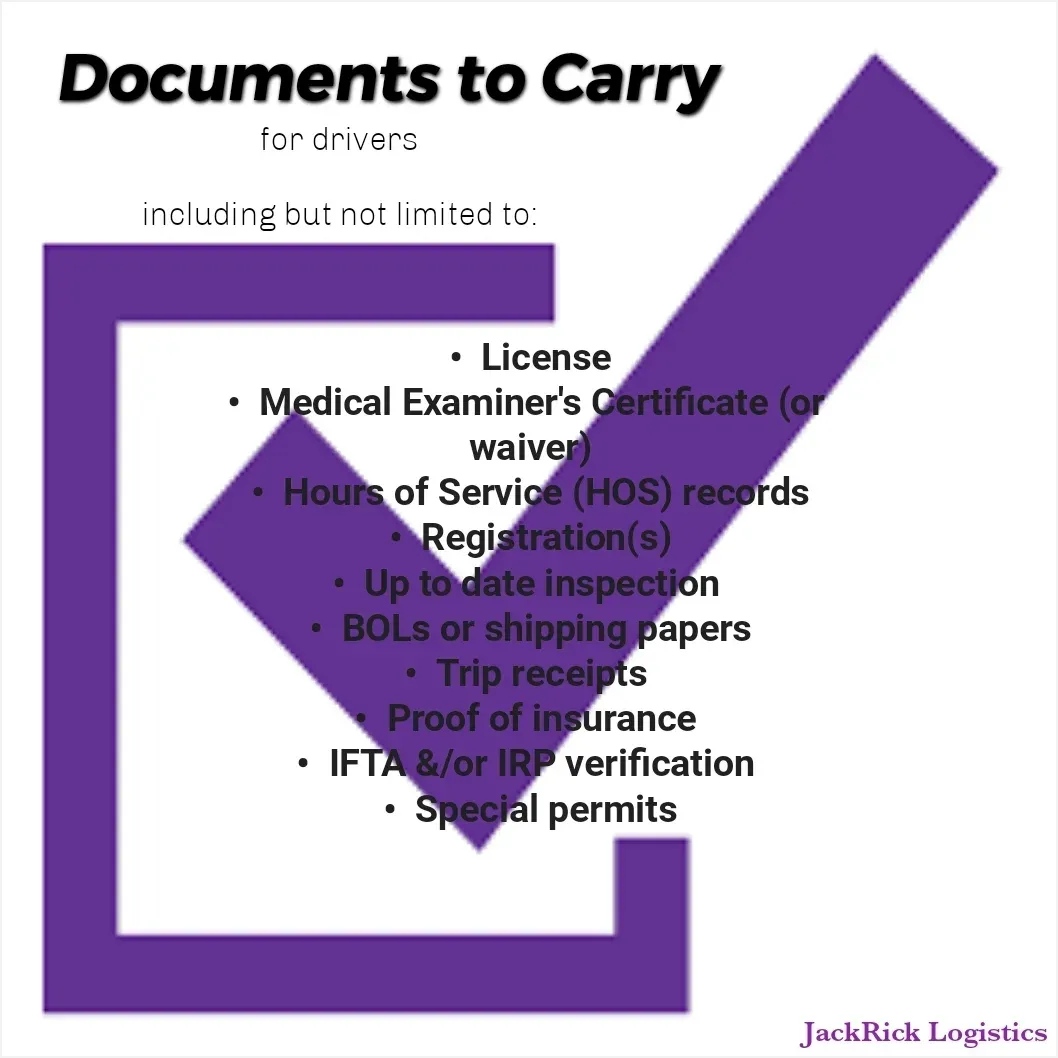
- 07 Driver qualification file — for yourself, even if you are the only person in the company and you own the truck.
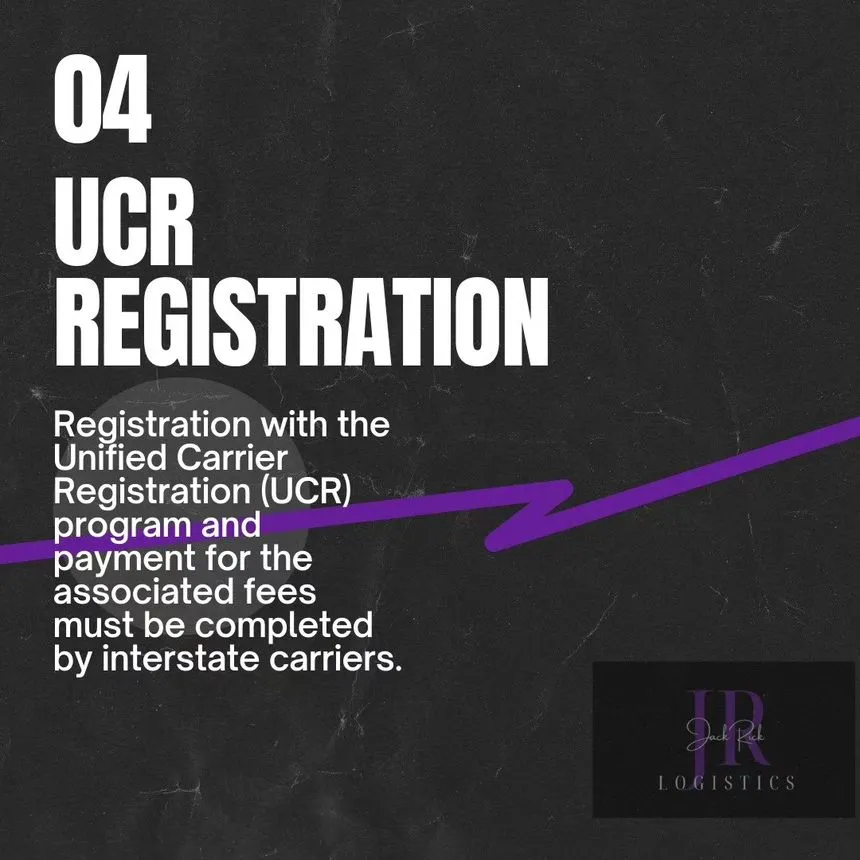
- 08 UCR registration, renewed annually.
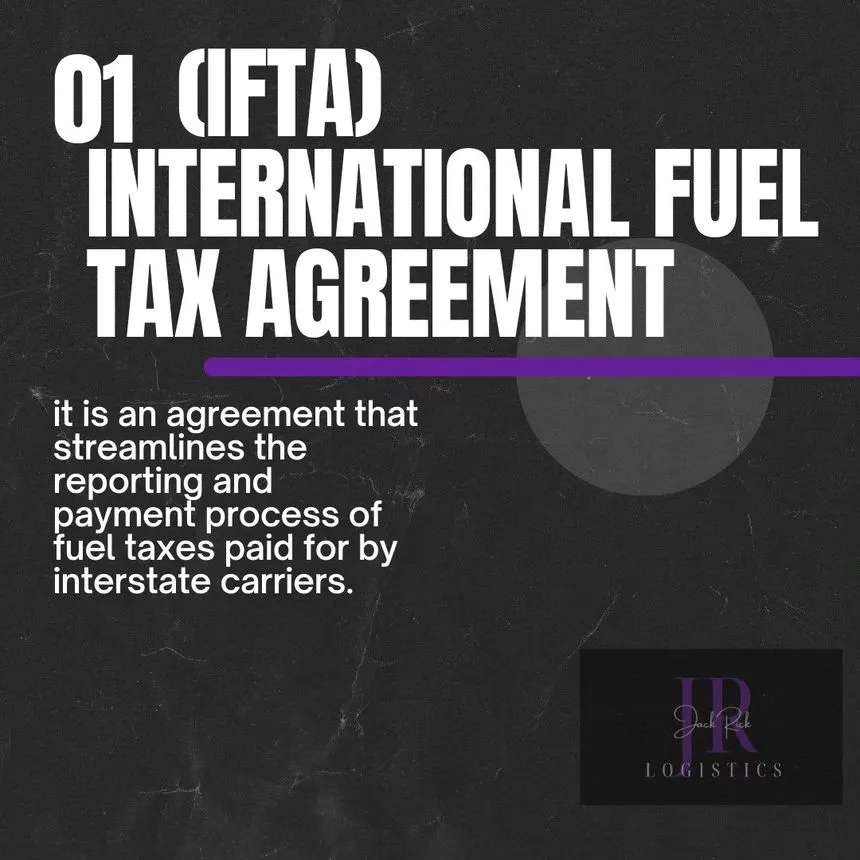
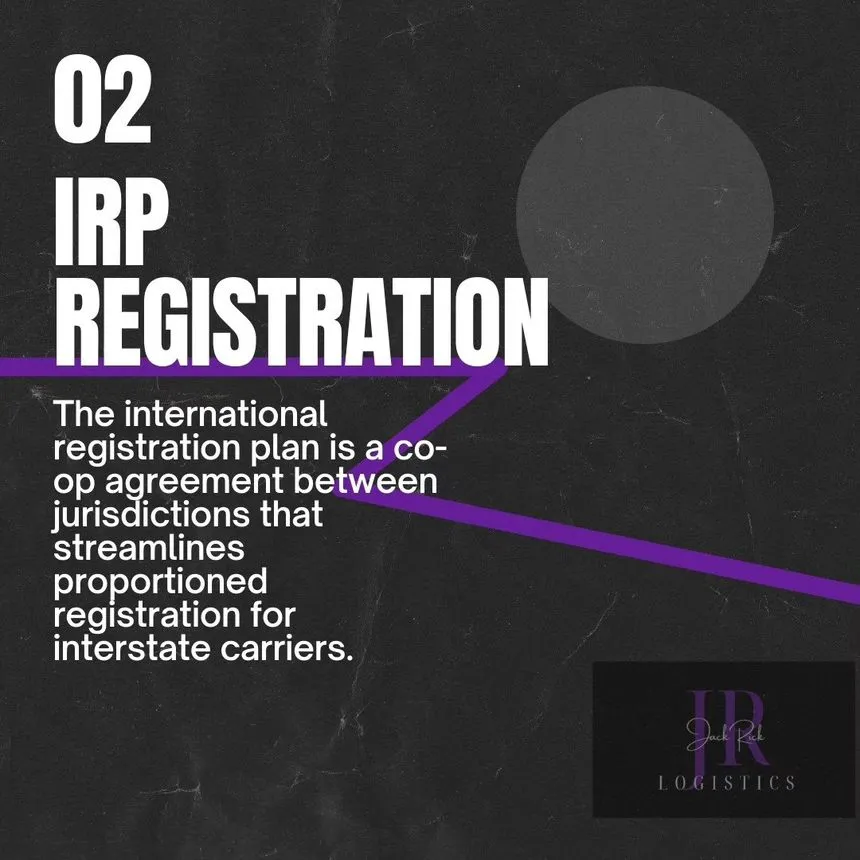
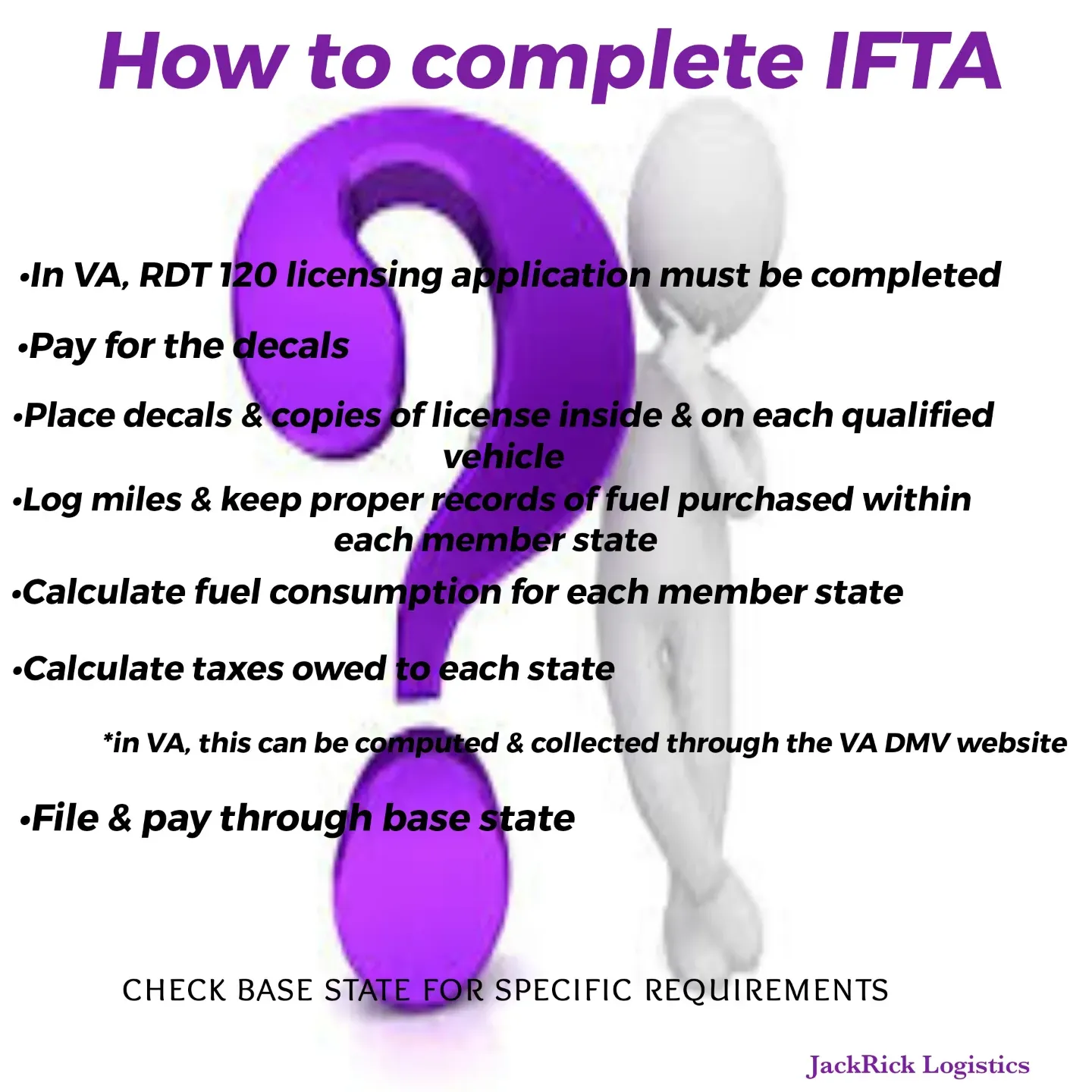
- 09 IRP apportioned plates and an IFTA license if you cross state lines in a qualifying vehicle.
- 10 Form 2290 (HVUT) if your taxable gross weight is 55,000 lb or more.
- 11 A registered ELD, unless you qualify for one of the narrow exemptions.
- 12 Annual vehicle inspection on every unit, and DVIR handling.
An employer who employs only themselves as a driver must run a random testing program with two or more covered employees in the selection pool — which is why a one-truck operation effectively needs a consortium or C/TPA.
Commonly got wrong: Phrase this as "effectively requires" a consortium, not "the regulation requires a consortium." §382.103(b) states the pool requirement; §382.305(j)(2) grants the permission to use a C/TPA and a larger pool. The consortium is the practical consequence of the two together.
UCR fees for the 2026 registration year are unchanged from 2025: $46 for 0–2 vehicles, $138 for 3–5, $276 for 6–20, $963 for 21–100, $4,592 for 101–1,000, and $44,836 for 1,001 or more.
Commonly got wrong: MYTH: "UCR fees went up in 2026." They did not — the UCR Board recommended no change. A 20% increase IS proposed for 2027 (91 FR 17618, 7 Apr 2026) but no final rule had been published as of 16 Aug 2026, so the 2027 numbers are NOT law. Brokers and leasing companies always pay the smallest bracket, $46, under 49 U.S.C. 14504a(f)(1)(A)(ii).
Highway motor vehicles with a taxable gross weight of 55,000 lb or more are subject to the Heavy Vehicle Use Tax on Form 2290.
Form 2290 is due by the last day of the month following the month the vehicle was first used on public highways. For vehicles first used in July 2026, that is 31 August 2026.
Commonly got wrong: MYTH: "Form 2290 is due 31 August every year." August 31 is only the deadline for vehicles first used in July. Buy a truck in November and you file by 31 December.
A qualified motor vehicle has two axles and a gross or registered gross weight over 26,000 lb, OR three or more axles regardless of weight, OR is used in a combination exceeding 26,000 lb. Recreational vehicles are excluded.
Commonly got wrong: MYTH: "IFTA only applies over 26,000 lb." R245.200 covers any vehicle with three or more axles regardless of weight.
Each vehicle in a combination must be inspected separately — the tractor, the semitrailer, the full trailer, and the converter dolly. A carrier may perform its own annual inspections.
Commonly got wrong: TWO MYTHS: "one inspection for the truck" — no, each unit. And "you need a certified mechanic" — no, §396.17(d) permits self-inspection, and §396.19(a)(3)(ii) accepts "a combination of training or experience totaling at least 1 year."

Step four: survive new-entrant monitoring
After satisfying pre-operational requirements, a new entrant is subject to safety monitoring for 18 months.
The safety audit happens once the carrier has been operating long enough to have sufficient records — generally at least three months.
Commonly got wrong: MYTH: "the audit happens at 12 months" or "you get audited right away." Also: if no audit occurs within the 18 months through no fault of the carrier, the carrier continues operating as a new entrant until one does — §385.333(d).
Failing the safety audit does not shut you down immediately. General freight carriers get 60 days to remedy; passenger and placardable-hazmat carriers get 45. Out-of-service bites on day 61 or day 46.
The 16 violations that fail the audit outright
FMCSA lists sixteen violations that fail a new-entrant safety audit. Fourteen of them fail on a single occurrence. It is worth noticing the shape of the list: five are drug and alcohol, three are CDL qualification, two are inspection-related, and one is insurance.
- No alcohol or controlled substances testing program
- No random testing program
- Using a driver known to have an alcohol content of 0.04 or greater
- Using a driver who refused a test
- Using a driver known to have tested positive
- Knowingly using a driver without a valid CDL
- Allowing a driver with a disqualified CLP or CDL to operate
- Allowing a disqualified driver to drive
- Knowingly using a disqualified driver
- Knowingly using a physically unqualified driver
- Operating without the required minimum financial responsibility
- Operating a vehicle declared out of service before repairs
- Failing to correct out-of-service defects listed on a DVIR
- Using a vehicle not periodically inspected
- Failing to require records of duty status (at 51% or more of records examined)
- No periodic inspection (at 51% or more of records examined)
49 CFR 385.321(b), Table to §385.321.
Four things you will read that are wrong
Each of these is repeated constantly on trucking sites. Each is contradicted by the primary text, which is linked so you can check.
There is no federal cargo-insurance minimum and no federal cargo filing requirement for general freight. The federal cargo rules reach household goods carriers only.
Commonly got wrong: THE most misreported figure in the industry. §387.301T(b) is headed "Household goods motor carriers-cargo insurance" and its prohibition reaches only household goods carriers. §387.303T(c) is headed "Household goods motor carriers: Cargo liability". There is no $100,000 anywhere in Part 387 — that number is a broker and shipper CONTRACT norm, not a regulation. Important caveat to publish alongside it: carrier liability for loss or damage to general freight is a separate body of law (the Carmack Amendment, 49 U.S.C. 14706) and is unaffected. No insurance mandate does not mean no liability.
Drivers are not required to prepare a DVIR if no defect or deficiency is discovered or reported. The section also does not apply to a carrier operating only one commercial motor vehicle.
Commonly got wrong: MYTH: "drivers must file a DVIR every day."
A driver operating within a 150 air-mile radius who returns to the work reporting location and is released within 14 hours is exempt from §§395.8 and 395.11 — the record-of-duty-status and ELD requirements. Time records must be kept 6 months.
Commonly got wrong: MYTH: "short-haul drivers are exempt from hours of service." The exemption is from the RECORDS requirements only. The 11-hour, 14-hour and 60/70-hour limits still apply.
MC numbers have not been eliminated. FMCSA proposed retiring MC and FF docket numbers in favor of a single USDOT identifier with suffixes, then pulled that from the Motus Phase II release after stakeholder objection. Both numbers remain in use.
Commonly got wrong: HIGHLY VOLATILE. Verbatim: "the Phase II release of Motus will not include the implementation of safety registration, the elimination of MC/FF numbers, or changes to the Form BOC-3 filing process." FMCSA said it anticipated a rulemaking in spring 2026; as of 16 Aug 2026 none had been published.
Where this gets easier
The list above is not hard, it is just long, and every item has a date attached to it. Dispatch and compliance are handled together here, so the renewals do not become the thing that quietly deactivates your authority in month nine.


New authority questions
Does an active authority mean I am compliant?
No, and this is the single most expensive misunderstanding in the first year. Insurance and a BOC-3 will get your authority active. They will not give you a driver qualification file, a drug and alcohol consortium, IFTA and IRP credentials, a current UCR registration, or a compliant ELD. Active means FMCSA will let you run. Compliant means you survive the audit.
Can I start hauling as soon as my USDOT number comes through?
No. A new entrant is issued an inactive USDOT number. You may not begin operations, or mark a vehicle with the number, until FMCSA gives written notice that it has been activated (49 CFR 385.305(c)).
When does the safety audit happen?
Not immediately, and not at a fixed date. FMCSA conducts the audit once you have been operating long enough to have sufficient records, which it says will generally be at least three months (49 CFR 385.307(b)). You stay under new-entrant monitoring for 18 months.
What happens if I fail the safety audit?
You are not shut down that day. General freight carriers get 60 days to remedy the failure and placardable-hazmat or passenger carriers get 45 (49 CFR 385.319(c)). Out-of-service takes effect on day 61 or day 46. There are 16 violations that fail the audit on a single occurrence, and one of them is operating without the required insurance.
Do I need cargo insurance to get my authority?
For general freight, federal law does not require cargo insurance at all — the federal cargo rules apply to household goods carriers only. You will still almost certainly need it, because brokers and shippers require it contractually, typically at $100,000. But the requirement comes from your customers, not from FMCSA.
Do I have to join a drug and alcohol consortium?
Effectively yes, if you are a one-truck operation. The regulation does not say "join a consortium" — it says an employer who employs only themselves as a driver must run a random testing pool of two or more covered employees (49 CFR 382.103(b)). You cannot do that alone, and 49 CFR 382.305(j)(2) expressly permits using a C/TPA and being part of a larger pool. That is why the consortium is the standard answer.
Are MC numbers being eliminated?
Not currently. FMCSA proposed retiring MC and freight forwarder docket numbers in favor of a single USDOT identifier, then removed that from the Motus Phase II release after industry objection (91 FR 23144). Both numbers remain in use. This is an area of active rulemaking, so check before relying on it.