MC number vs DOT number
A USDOT number is identity — it identifies your vehicles and carries your safety record, and it goes on the door. An MC number is permission — operating authority to haul regulated freight for hire across state lines.
Most for-hire interstate carriers need both. They are issued through the same application and they do very different jobs.

Regulatory figures on this page were verified at primary sources on August 16, 2026.
| USDOT number | MC number | |
|---|---|---|
| What it is | A safety identifier for your vehicles | Operating authority — permission to haul for hire |
| Who needs it | Most commercial vehicles in interstate commerce, including private carriers | For-hire carriers of regulated commodities across state lines |
| Goes on the truck? | Yes — marking is required | No — it lives on your paperwork, not on the door |
| Tied to | Safety record, inspections, audits, CSA | Insurance filing and process agent |
| Upkeep | Biennial update, every 24 months | Insurance filing must stay on record |
| Active on issue? | No | No |
Three things people get wrong
A new entrant is issued an inactive USDOT number. You may not begin operations, or mark a vehicle with the number, until FMCSA gives written notice that it has been activated.
Commonly got wrong: MYTH: "you get your USDOT number and you can start hauling."
MC numbers have not been eliminated. FMCSA proposed retiring MC and FF docket numbers in favor of a single USDOT identifier with suffixes, then pulled that from the Motus Phase II release after stakeholder objection. Both numbers remain in use.
Commonly got wrong: HIGHLY VOLATILE. Verbatim: "the Phase II release of Motus will not include the implementation of safety registration, the elimination of MC/FF numbers, or changes to the Form BOC-3 filing process." FMCSA said it anticipated a rulemaking in spring 2026; as of 16 Aug 2026 none had been published.
No motor carrier may operate a vehicle until it has obtained and has in effect the minimum levels of financial responsibility.
Commonly got wrong: Violating §387.7(a) is an automatic failure of the new-entrant safety audit on a single occurrence — 49 CFR 385.321(b), table item 9.
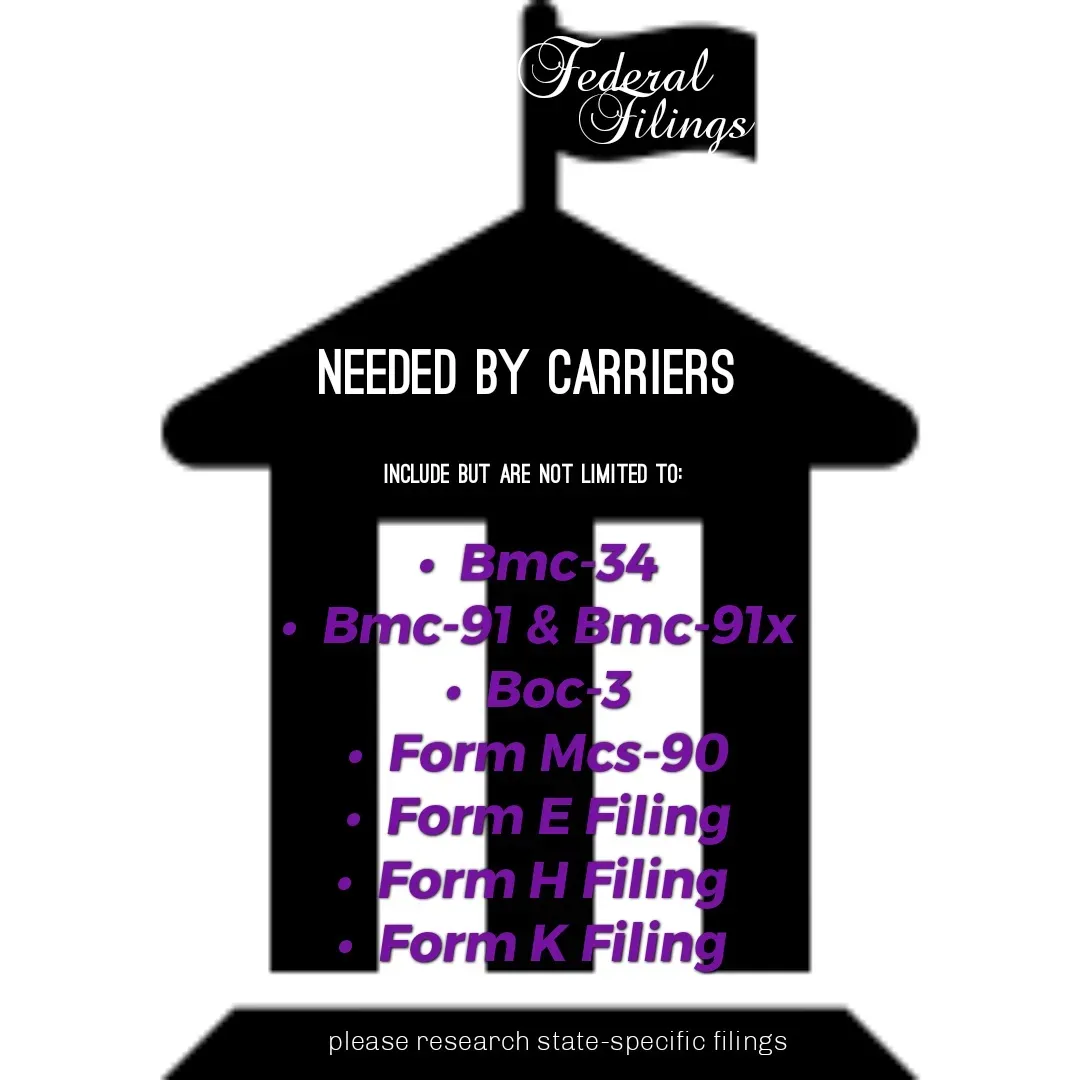
The third one is the connection most new carriers miss: your MC number does not go active because you were approved. It goes active because your insurer files proof of financial responsibility and your process agent designation is on record. The paperwork is the switch.


Do you need operating authority at all?
Not everyone does, and being told you do when you do not is an expensive way to start. You generally need a USDOT number but not an MC number if:
- You operate entirely intrastate. Your state may have its own requirements, but federal operating authority is a different question.
- You are a private carrier hauling your own goods in your own business rather than transporting for hire.
- You haul only exempt commodities. Certain agricultural and unprocessed goods fall outside the for-hire operating authority requirement. The exempt list is narrower than most people assume, so check the commodity rather than the category.
You need both if you are hauling regulated freight, for hire, across state lines — which describes most owner-operators reading this.
Keeping them alive
Both numbers can go inactive without anyone calling you. The biennial USDOT update is due every 24 months on a schedule set by the last digit of your number, and missing it deactivates the number. On the authority side, a lapse in your insurance filing takes the MC number down — which is why canceling a policy before the replacement filing is on record is a mistake that stops a working truck.
Getting set up, or getting it fixed
If you are starting out, or if something has gone inactive and you are not sure why, that is a short phone call rather than a week of forum reading.
MC and DOT number questions
What is the difference between an MC number and a USDOT number?
A USDOT number identifies your vehicles and your safety record — it is the number FMCSA uses for safety oversight, and it goes on the side of the truck. An MC number is operating authority: permission to haul regulated commodities for hire in interstate commerce. One is identity, the other is permission.
Do I need both?
If you are a for-hire carrier moving regulated commodities across state lines, yes. If you run entirely intrastate, or haul only exempt commodities, or you are a private carrier moving your own goods, you may need a USDOT number without operating authority. The correct answer depends on what you haul, for whom, and across which lines.
Are MC numbers being eliminated?
Not currently. FMCSA proposed retiring MC and freight forwarder docket numbers in favor of a single USDOT identifier with suffixes, then removed that change from the Motus Phase II release after industry objection. Both numbers remain in use. This is active rulemaking, so check the date on anything you read about it — including this page.
Which number goes on the truck?
The USDOT number. Federal marking rules are about identifying the vehicle, and it is the USDOT number that has to appear on it. The MC number is not a marking requirement — it lives on your paperwork and in FMCSA's records, which is why a truck can be correctly marked and still have no active authority behind it.
How long does it take to get authority?
The USDOT number is issued quickly, but it arrives inactive — you cannot operate or mark the truck until FMCSA writes to confirm activation. Operating authority then requires your insurance filing and your BOC-3 to be on record before it goes active.
What happens if I do not keep them updated?
Your USDOT number must be updated every 24 months on a schedule keyed to the last digit of the number. Failing to do it carries penalties and results in deactivation of the number — which is the quiet way a working carrier discovers their authority is dead at a scale house.