Commercial truck insurance in Virginia
JackRick Logistics brokers commercial truck insurance for Virginia carriers from Hampton Roads — and for Virginia-based fleets that run nationwide.
The federal filing activates the authority. The policy has to match Port of Virginia exposure, I-64 / I-81 / I-95 lanes, and how you actually operate, or you are either overpaying or uncovered where it counts.

Don't buy insurance just to activate your authority.
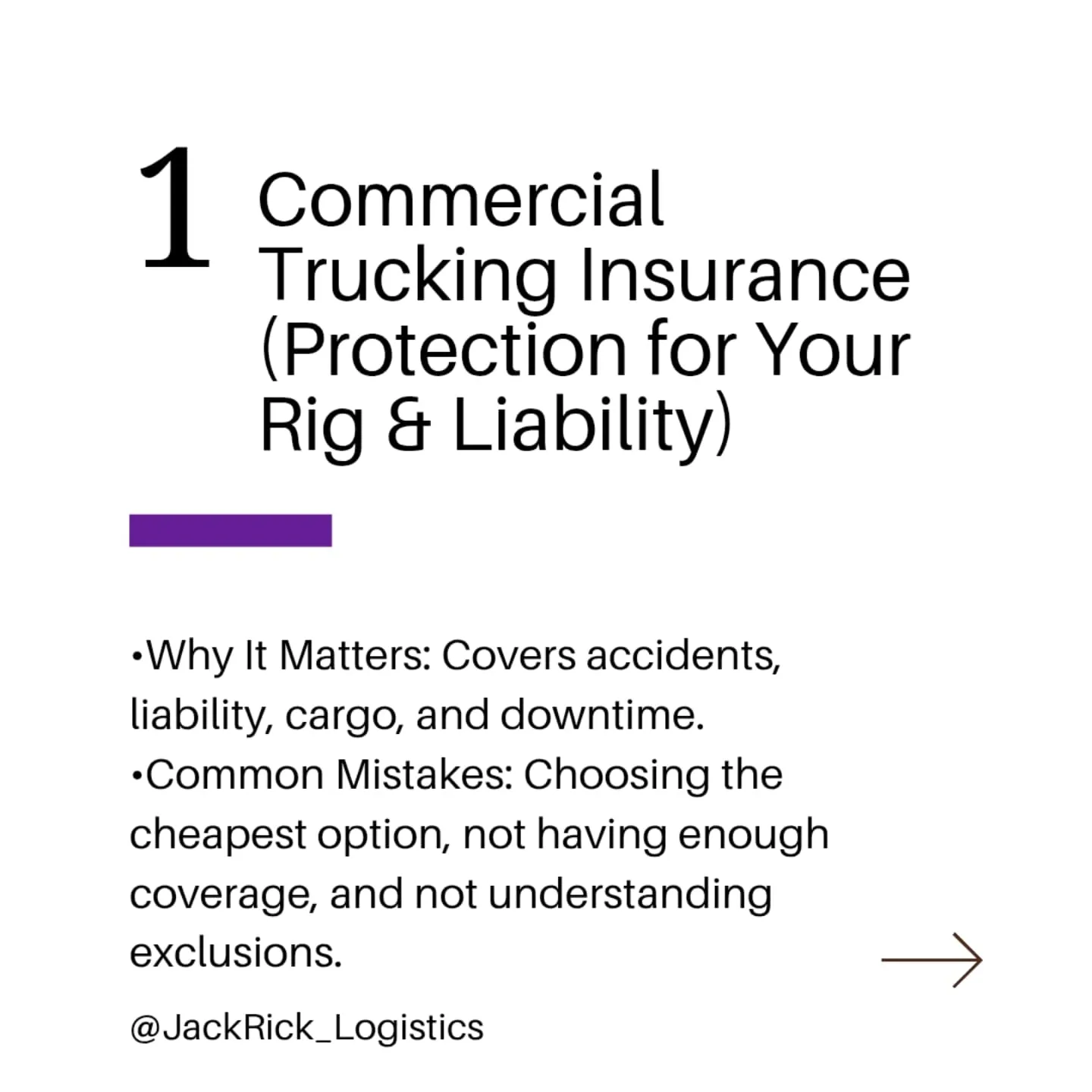
A Virginia policy sized only to the FMCSA floor will activate the MC and still fail the first broker packet that asks for a million in liability and a real cargo limit. The questions that decide the structure are operational: what you haul out of Hampton Roads, whose trailer you pull at the port, and what a six-week downtime does to the note.
What changes when the home base is Virginia
National “Virginia truck insurance” pages usually swap the state name and leave. The differences that actually show up in a quote for a carrier based here are narrower and more useful:
- Port of Virginia and chassis risk. Pulling interchange or a terminal chassis is not the same exposure as owning the trailer. Trailer interchange and non-owned trailer coverage belong in the conversation before the first NIT turn, not after a claim.
- Corridor radius that underwriters misread. I-95 north into the DC metro, I-64 across the state, and I-81 through the Shenandoah look “regional” on a map and eat full days in practice. Radius statements that say “nationwide” for a 200-mile pattern inflate premium for miles you never drive.
- State producer licensing vs federal filings. Insurance producers are licensed by state Departments of Insurance — in Virginia, through the Bureau of Insurance at the State Corporation Commission. FMCSA filings (BMC-91 / BMC-91X, MCS-90) are a separate federal track. Confusing the two is how carriers think they are covered when the authority has gone inactive.
What federal law requires — and what only feels like it
Every figure below links to the primary regulation. Virginia carriers still live under these floors the moment they cross a state line in a qualifying vehicle.
For-hire carriers hauling non-hazardous property in vehicles with a GVWR of 10,001 lb or more must carry at least $750,000 in public liability coverage.
Commonly got wrong: Part 387 was last amended 91 FR 45660, 21 Jul 2026 — the $750,000 figure survived that amendment.
There is no federal cargo-insurance minimum and no federal cargo filing requirement for general freight. The federal cargo rules reach household goods carriers only.
Commonly got wrong: THE most misreported figure in the industry. §387.301T(b) is headed "Household goods motor carriers-cargo insurance" and its prohibition reaches only household goods carriers. §387.303T(c) is headed "Household goods motor carriers: Cargo liability". There is no $100,000 anywhere in Part 387 — that number is a broker and shipper CONTRACT norm, not a regulation. Important caveat to publish alongside it: carrier liability for loss or damage to general freight is a separate body of law (the Carmack Amendment, 49 U.S.C. 14706) and is unaffected. No insurance mandate does not mean no liability.
The Part 387 subpart A minimums do not apply at all to a vehicle with a GVWR under 10,001 lb, unless it carries listed explosives, poisons or radioactives.
Commonly got wrong: MYTH: "$750,000 is the minimum for every trucking company." It is not. It applies to FOR-HIRE, NON-HAZARDOUS, 10,001 lb and over. The $300,000 figure people quote for small vehicles comes from a different subpart — 49 CFR 387.303T(b)(1)(i).
No motor carrier may operate a vehicle until it has obtained and has in effect the minimum levels of financial responsibility.
Commonly got wrong: Violating §387.7(a) is an automatic failure of the new-entrant safety audit on a single occurrence — 49 CFR 385.321(b), table item 9.

The lines Virginia fleets usually need to decide
- Auto liability — federal floor plus what brokers actually require to book you.
- Motor truck cargo — contractual for almost every broker load; limit follows commodity, not a federal minimum for general freight.
- Physical damage — the truck and trailer you could not replace out of pocket.
- Trailer interchange — required when you pull equipment you do not own, including port chassis patterns.
- Non-trucking liability — for owner-operators leased on, not running primary under their own MC.
- New-authority package — filings, first-year pricing, and the BMC-91X / MCS-90 distinction.
Get a Virginia policy looked at properly
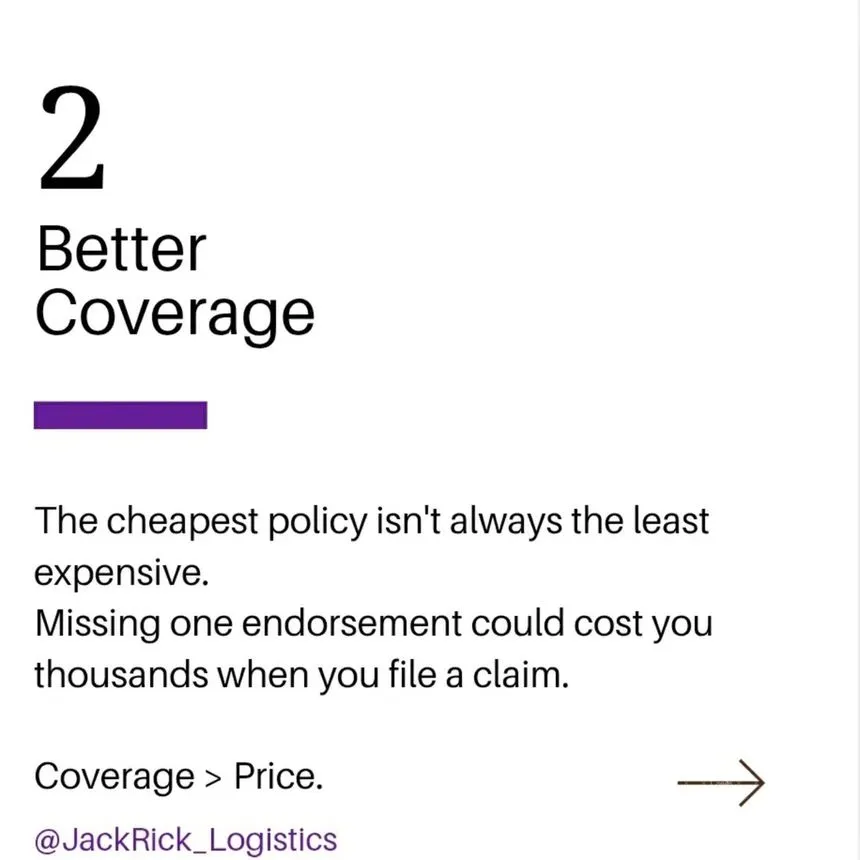
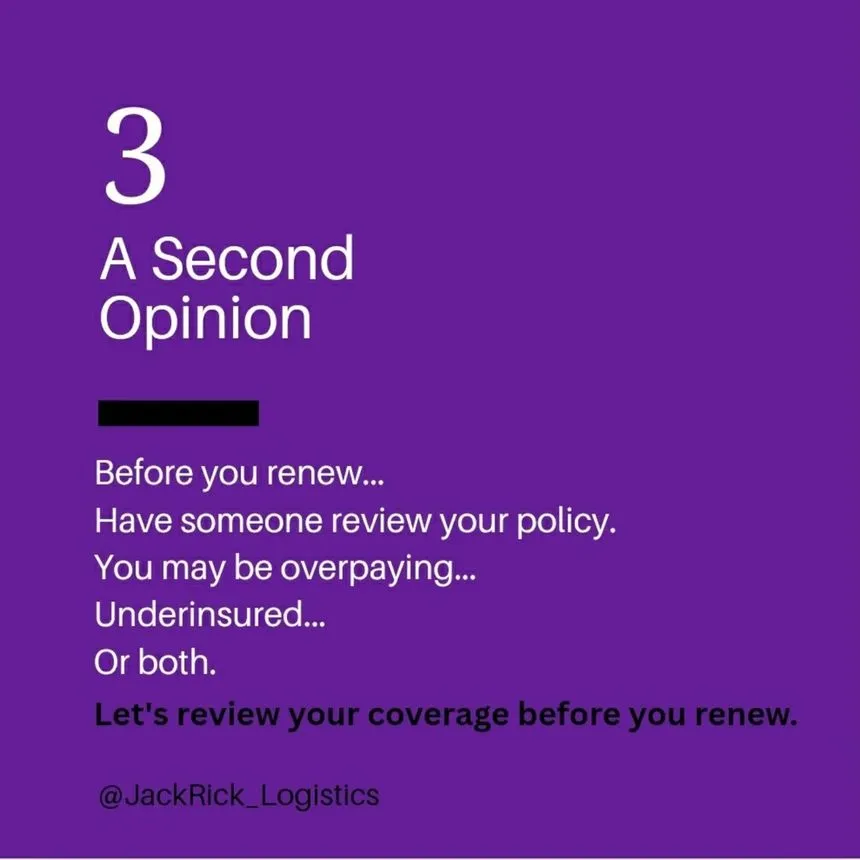
Send what you have, or tell me what you are about to buy. Either way you get a real read — including when the honest answer is that the current policy is fine for how you run out of Virginia.
Insurance is offered through Shay Denise, a licensed property and casualty producer . Coverage is subject to the terms, conditions and exclusions of the policy actually issued. Nothing on this page is a binder, a quote, or an offer of coverage.
Virginia insurance questions
Do you write commercial truck insurance for Virginia carriers?
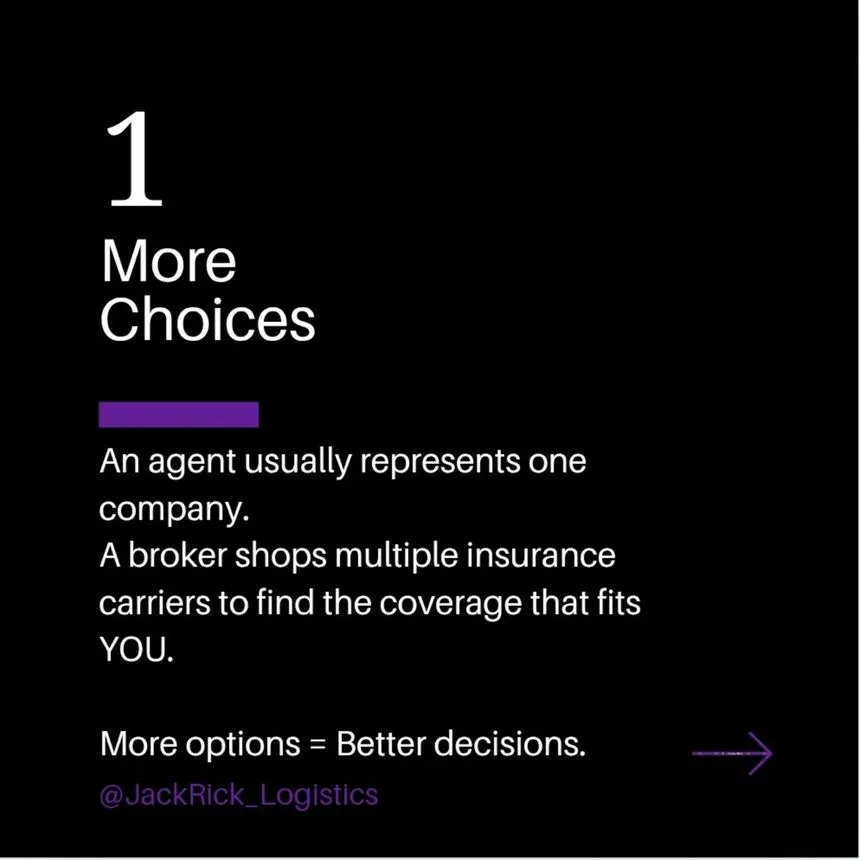
Shay Denise is a licensed independent property and casualty producer. She shops multiple carriers for Virginia owner-operators and small fleets — including carriers based in Hampton Roads who run nationwide — rather than quoting a single captive company.
Is Virginia insurance different from federal FMCSA requirements?
Yes. FMCSA sets the federal liability floor that activates your authority ($750,000 for general freight over 10,001 lb GVWR). Virginia’s Bureau of Insurance, under the State Corporation Commission, licenses producers and regulates how policies are sold in the state. You need both pieces in place: a federal filing that keeps the MC active, and a policy that matches how you actually operate in Virginia and across state lines.
Does Port of Virginia work change what I need?
Often. Drayage and inland moves out of NIT and the other terminals put you on chassis and drop trailers you do not own, which is where trailer interchange and non-owned trailer coverage stop being optional. Appointment clocks and demurrage also raise the cost of a truck sitting idle after a physical-damage claim — so the deductible and downtime math matter more than on a clean highway lane.
I am leased on to a carrier. Do I still need primary liability in Virginia?
Usually no. If you run under someone else’s authority you typically need non-trucking liability and physical damage, not a full primary auto liability package. Buying primary when you are leased on is one of the most expensive mistakes a Virginia owner-operator makes.
Can you review a policy I already have?
Yes. Send the declarations page and how you actually run — home base, radius, commodities, whether you pull interchange. Most carriers have never had anyone read the policy against the operation, which is where overpayment and gaps both hide.