UCR registration explained
Unified Carrier Registration (UCR) is an annual interstate registration with a fee that scales by fleet size — for 2026, $46 to $44,836 across the published brackets (0–2 vehicles through 1,001+).
It does not activate your MC number. Insurance on file and a BOC-3 do that. UCR is one of the filings that decides whether you stay compliant after you are active.

Fee figures verified against 49 CFR 367.50 on August 16, 2026. Proposed 2027 increases are not treated as law on this page.
A yearly registration — not a magic permit
UCR exists so interstate carriers, brokers, freight forwarders, and leasing companies register once a year and pay into a shared program. For a one- or two-truck owner-operator the bill is the bottom bracket. For a large fleet it is not.
The practical failure mode is simple: carriers finish getting authority, ignore the annual registration, and discover the gap at a roadside check or during the new-entrant safety audit. That is why UCR sits on the new authority checklist next to IRP, the DQ file, and the consortium — not next to the BMC-91X.
UCR brackets for the 2026 registration year
UCR fees for the 2026 registration year are unchanged from 2025: $46 for 0–2 vehicles, $138 for 3–5, $276 for 6–20, $963 for 21–100, $4,592 for 101–1,000, and $44,836 for 1,001 or more.
Commonly got wrong: MYTH: "UCR fees went up in 2026." They did not — the UCR Board recommended no change. A 20% increase IS proposed for 2027 (91 FR 17618, 7 Apr 2026) but no final rule had been published as of 16 Aug 2026, so the 2027 numbers are NOT law. Brokers and leasing companies always pay the smallest bracket, $46, under 49 U.S.C. 14504a(f)(1)(A)(ii).
Brokers and leasing companies pay the smallest bracket under the statute. Motor carriers pay by vehicle count. Do not quote 2027 proposal numbers as current law until a final rule publishes.
What UCR is not
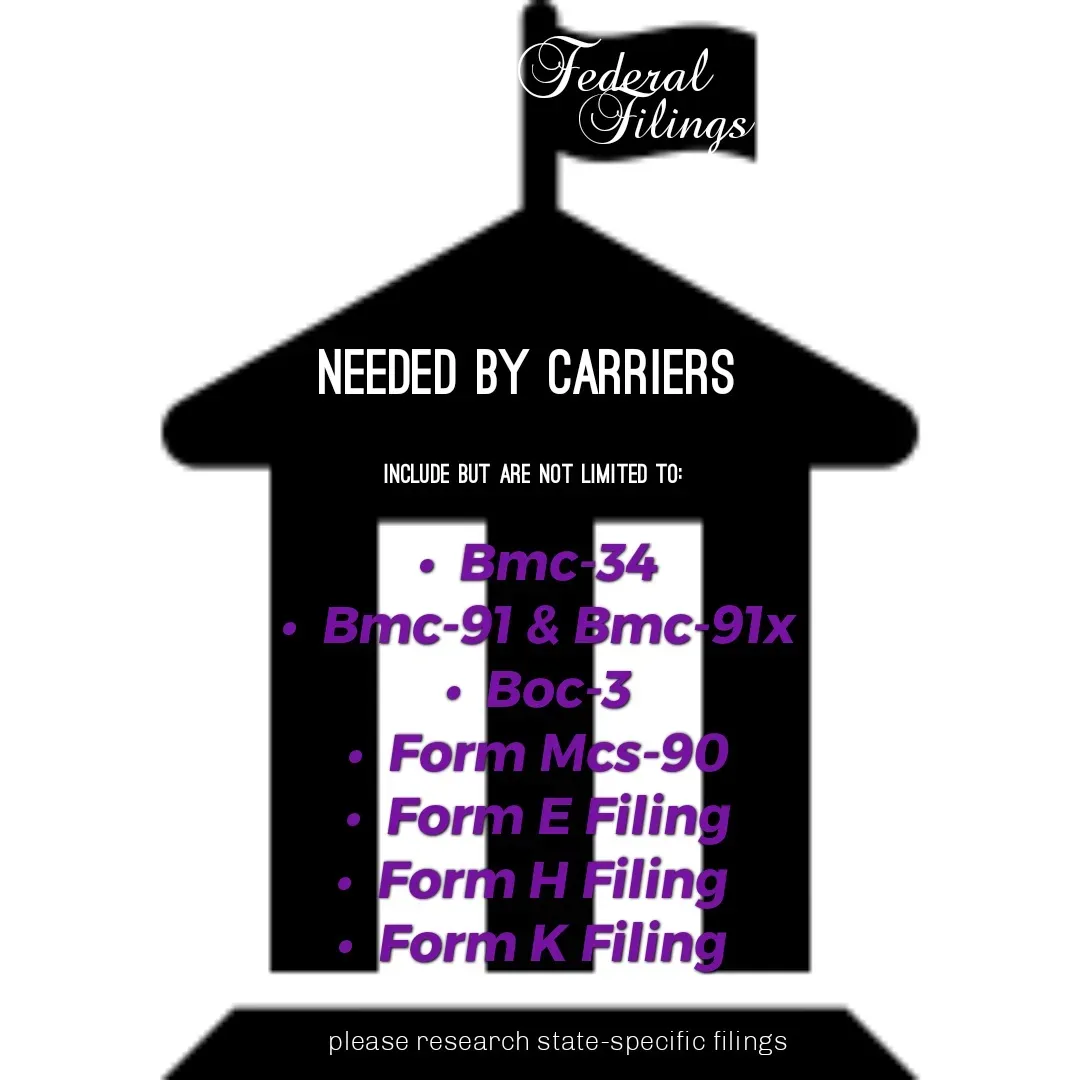
- Not the insurance filing. Liability on file with FMCSA activates authority — see insurance for a new authority.
- Not the BOC-3. Process-agent designation is a separate activation requirement.
- Not IFTA or IRP. Fuel-tax credentials and apportioned plates are different programs with different triggers. This site does not publish standalone IFTA or HVUT/2290 ranking pages because those SERPs are locked; UCR is the compliance spoke that is still worth owning in depth.
- Not a USDOT number. USDOT vs MC is a different confusion entirely.
Need the rest of the first-year stack sorted
UCR is one line item. If you are standing up a new authority, the useful conversation is the whole sequence — filings, insurance, and whether you should be taking loads yet.
UCR questions
What is UCR registration?
Unified Carrier Registration is an annual federal program for interstate motor carriers, brokers, freight forwarders, and leasing companies. You register and pay a fee based on fleet size. It is not the same filing that activates your MC number.
Who has to register for UCR?
Interstate motor carriers and certain related entities in the UCR program. If you only ever run intrastate and never touch interstate commerce, you may be outside it — but most owner-operators who cross a state line are in. When unsure, treat UCR as required until a compliance person who knows your operation says otherwise.
Did UCR fees go up in 2026?
No. The 2026 registration-year brackets are unchanged from 2025 under 49 CFR 367.50. A roughly 20% increase was proposed for 2027; until a final rule publishes, those numbers are not law.
Is UCR the same as activating my authority?
No. Liability insurance on file plus a BOC-3 activate authority. UCR is a separate annual registration. Carriers who confuse the two often go active, take loads, and then fail the part of the audit that checks whether UCR is current.
Do brokers pay the same UCR fees as carriers?
Brokers and leasing companies pay the smallest bracket under the statute, regardless of size. Motor carriers pay by vehicle-count bracket.
Where do I actually register?
Through the Unified Carrier Registration system (plan.ucr.gov / the UCR portal states point you to). This site does not process UCR filings — we explain the requirement and how it fits the rest of your first-year stack.