Box truck insurance cost
Box truck insurance is cheaper than semi insurance and more expensive than people expect — it is commercial coverage on a commercial vehicle, and no CDL does not mean no requirement.
The premium is set by radius, driving record, commodity and truck value, in roughly that order. This page explains each so you can judge a quote instead of guessing.

Commercial trucking insurance is individually underwritten. A national average would describe no actual operator and would make your decision worse, not better. The underwriting logic below is the thing that actually lets you evaluate what you have been quoted.

No CDL, same insurance rules
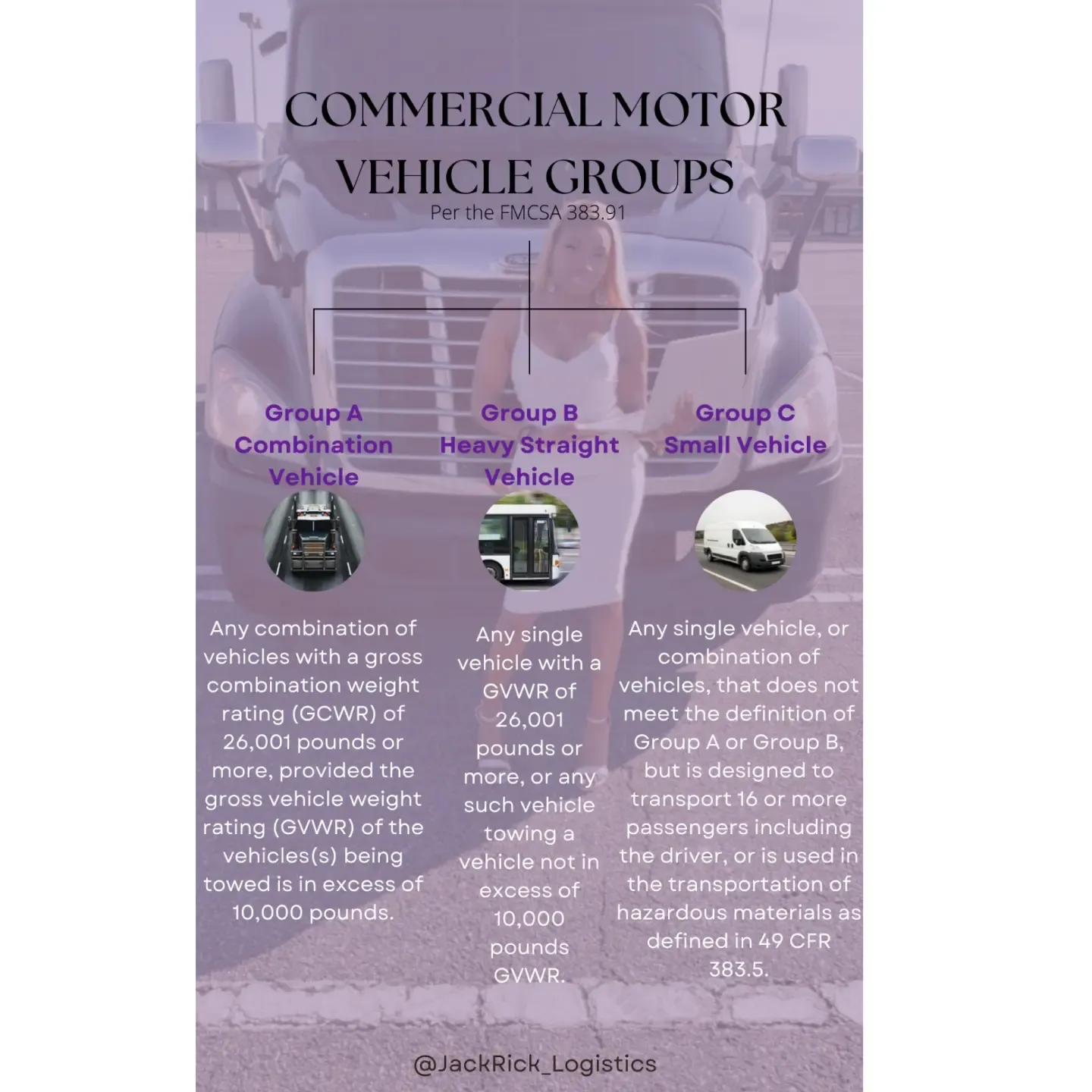
This is where box truck operators get caught. The Class B licensing threshold is 26,001 lb GVWR. The federal financial responsibility threshold is 10,001 lb — and almost every box truck sits between the two.
For-hire carriers hauling non-hazardous property in vehicles with a GVWR of 10,001 lb or more must carry at least $750,000 in public liability coverage.
Commonly got wrong: Part 387 was last amended 91 FR 45660, 21 Jul 2026 — the $750,000 figure survived that amendment.
The Part 387 subpart A minimums do not apply at all to a vehicle with a GVWR under 10,001 lb, unless it carries listed explosives, poisons or radioactives.
Commonly got wrong: MYTH: "$750,000 is the minimum for every trucking company." It is not. It applies to FOR-HIRE, NON-HAZARDOUS, 10,001 lb and over. The $300,000 figure people quote for small vehicles comes from a different subpart — 49 CFR 387.303T(b)(1)(i).
So a 26-foot box truck that needs no CDL still needs filed liability coverage to operate for hire across state lines. And a personal auto policy will not respond — commercial use is excluded, which makes running on one an uninsured operation rather than a cheap one.
The four lines on a box truck policy
| Coverage | What it does | Required by |
|---|---|---|
| Auto liability | Injury and damage you cause to others | FMCSA, and every broker contract |
| Motor truck cargo | The freight you are carrying | Brokers and shippers, not FMCSA |
| Physical damage | Your own truck | Your lender, if financed |
| General liability | Injury or damage away from the vehicle itself | Some contracts, especially final-mile work |
Final-mile and residential work often adds a general liability requirement, because you are going inside customers' premises. Worth checking before you take the contract.
What moves the number
- Radius. The biggest lever on a box truck specifically. Local and regional operations price well; long-haul box truck work prices close to semi territory because the exposure hours are similar.
- Driving record. Violations and at-fault accidents in the last three to five years.
- Commodity. General freight is the baseline. High-value, theft-targeted or hazardous goods change both the price and the appetite.
- Truck value and age. Drives the physical damage side directly.
- Liftgate and equipment. Opens up better-paying work, and adds a little exposure.
- Years in operation. A new authority is priced as its class. One clean year is the fastest reduction available.
- Deductible. The one you set. Choose the largest amount you could fund tomorrow.
- Garaging location. Where the truck sleeps, including theft risk.
Don't buy insurance just to activate your authority.
The recurring mistake on box trucks is buying to whatever number gets the authority switched on, then discovering the contract you wanted requires more. Decide what work you are chasing first; the coverage follows from that.
Get a real quote for your truck
Tell me the truck, the radius, what you haul and whether you have a liftgate. As an independent broker I shop it across multiple carriers rather than quoting you one company's answer.
Insurance is offered through Shay Denise, a licensed property and casualty producer. Coverage is subject to the terms, conditions and exclusions of the policy actually issued. Nothing on this page is a binder, a quote, or an offer of coverage.


Box truck insurance questions
Is box truck insurance cheaper than semi insurance?
Generally yes. A box truck is a smaller, lighter, lower-value vehicle with lower liability severity potential, and it usually runs a shorter radius. All four of those push the premium down relative to a tractor-trailer. It is still commercial insurance, and it is still the second largest fixed cost after the truck payment.
Do I need commercial insurance if I do not have a CDL?
Yes. The licensing question and the insurance question are unrelated. If you operate for hire in a vehicle over 10,001 lb GVWR — which is almost every box truck — the federal financial responsibility rules apply regardless of what license you hold.
What drives the premium most?
Radius and driving record, then what you haul, then the value of the truck. Local and regional operations price well. Long-haul box truck work prices closer to semi territory because the exposure hours are similar.
Does my personal auto policy cover a box truck used for business?
No. Commercial use is excluded from personal auto policies, and a box truck used for hire is unambiguously commercial. Running on a personal policy is not a saving, it is an uninsured operation that has not been tested yet.
What about Amazon Relay or contract work?
Contracted programs usually specify the coverage and the limits you must carry, and those requirements are often higher than the federal minimum. Read the contract before you buy the policy, because buying to the federal number and then finding you cannot be onboarded is the standard sequence.
How do I lower it?
Be accurate about your radius rather than optimistic. Raise the physical damage deductible to what you could genuinely fund tomorrow. Pay annually if you can. Keep the MVR clean. And shop the first renewal hard — a clean year moves you into a different pricing class.