Trucking cost per mile calculator
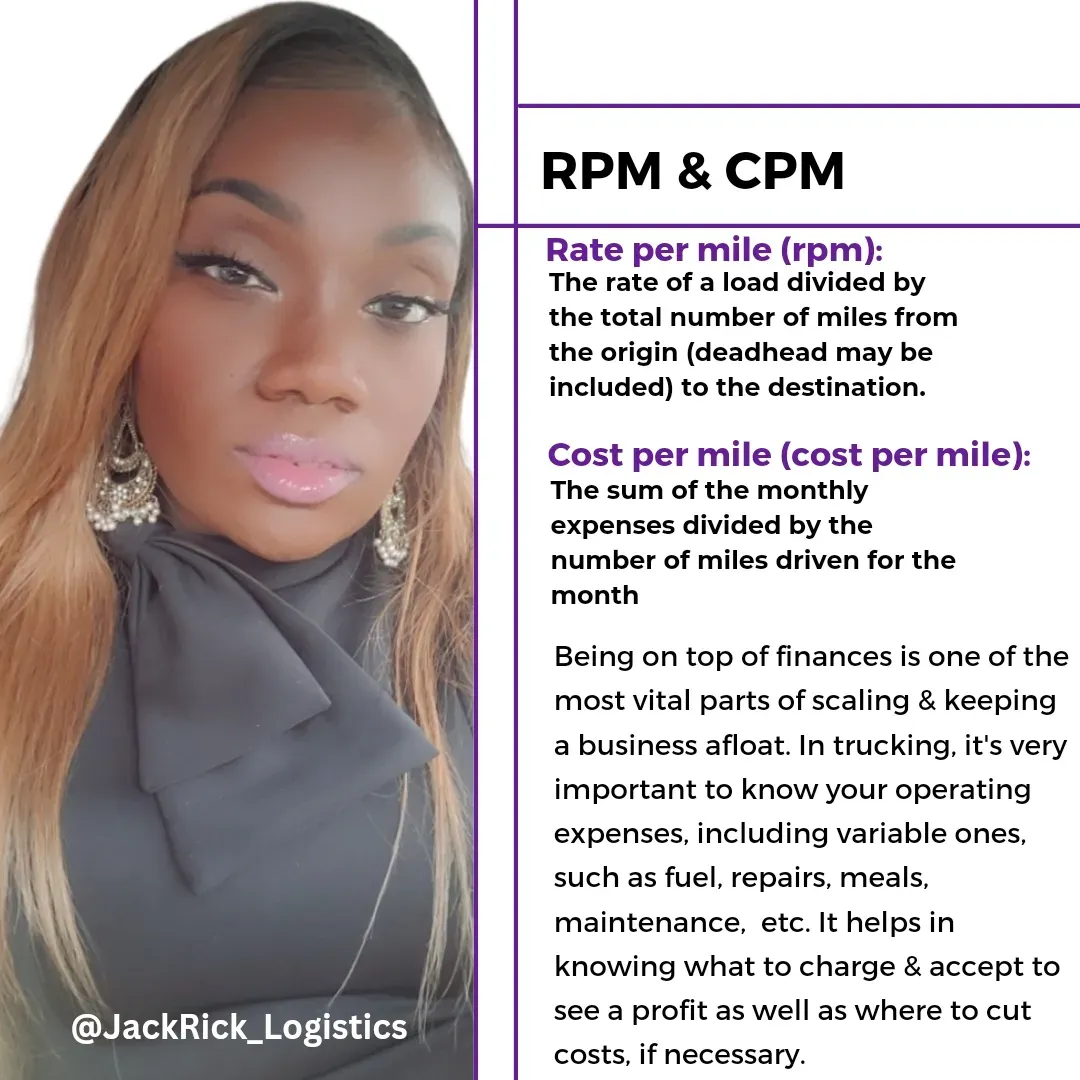
Cost per mile is everything your business spends in a period, divided by every mile you ran in that period — including the empty ones.
Enter your numbers below and you will get your cost per mile, your fixed and variable split, and the loaded rate you need to break even once deadhead is accounted for. Nothing is stored and no email is required.



How to do it on paper
- Pick a period and stick to it. A month is usually the most honest, because it smooths out a good week and a bad one.
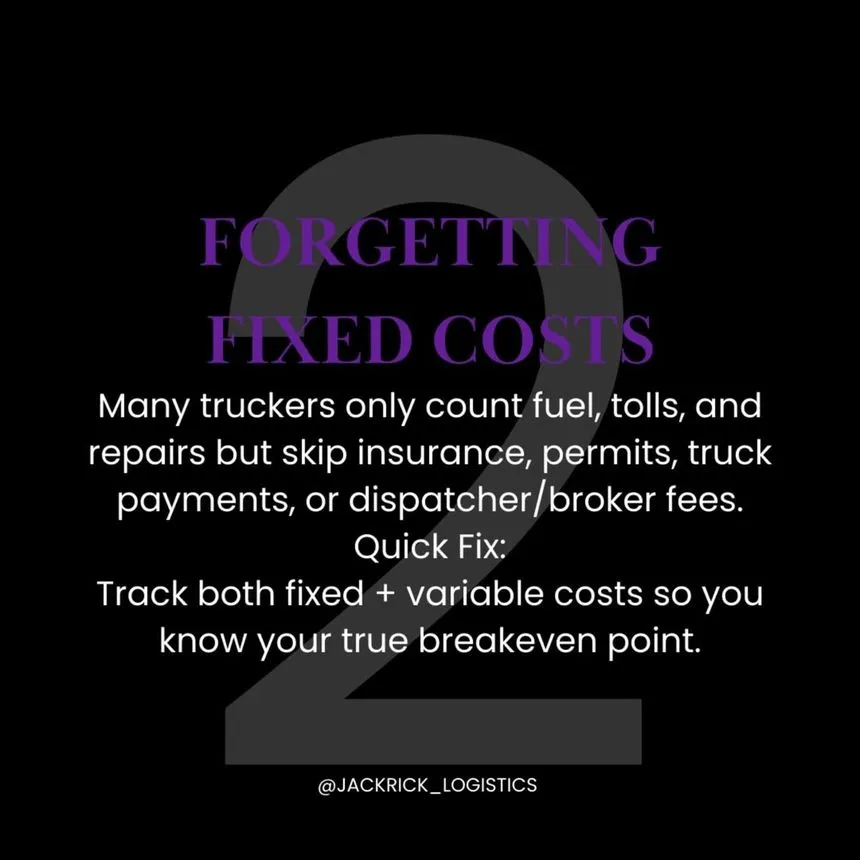
- Add every fixed cost for that period. Truck note, insurance, permits, plates, ELD, accounting, phone — and your own pay. If it happens whether or not the wheels turn, it is fixed.
- Add every variable cost for that period. Fuel, DEF, tires, maintenance, tolls, scales, parking.
- Add all the miles for that period — loaded and empty. This is the step people skip, and skipping it is what makes an unprofitable operation look fine.
- Divide total cost by total miles. That is your cost per mile.
A $4.00/mile load isn't always better than a $2.20/mile load.
Why break-even is higher than cost per mile
Your costs are spread across every mile you run. Your revenue is only earned on the loaded ones. So the rate you charge on loaded miles has to carry the empty ones as well.
If a quarter of your miles are deadhead, every loaded mile is carrying about a third more cost than your headline cost per mile suggests. That is the gap between "this rate covers my costs" and "this rate actually pays me", and it is why the calculator above asks for the two mileage figures separately.

The five numbers this feeds into
Cost per mile is the first of five. The others only make sense once you have it.
- 01 Cost per mile
- 02 Break-even rate
- 03 Weekly fixed expenses
- 04 Tax reserve percentage
- 05 True net profit
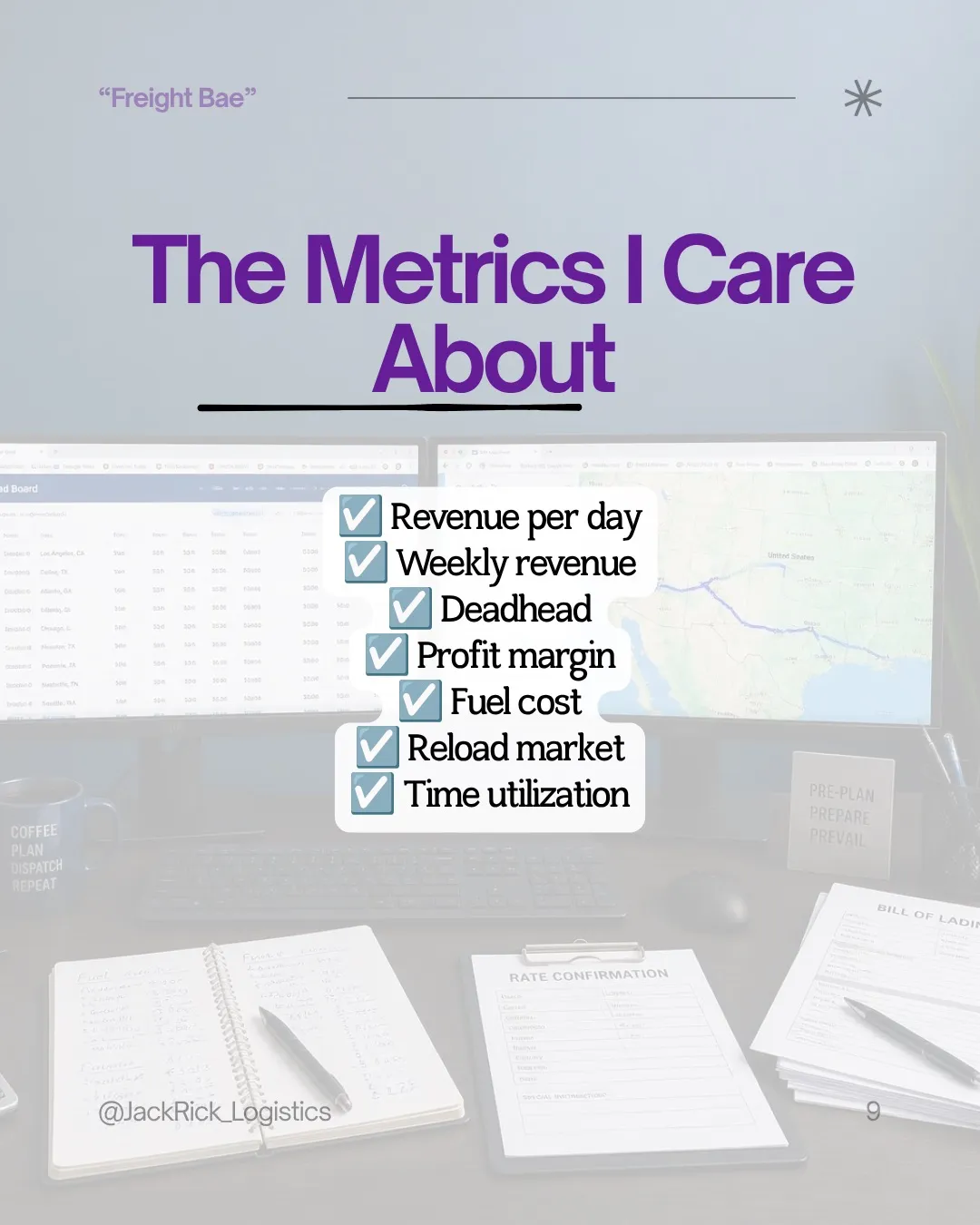


Now use it on an actual load
Knowing your cost per mile is what turns "that rate sounds good" into a decision. If you want someone applying it to your week, that is the job.


Cost per mile questions
What is cost per mile?
Every dollar your business spends in a period, divided by every mile you ran in that period — loaded and empty. It is the number that tells you whether a rate is profitable. Anything above it contributes; anything below it costs you money to haul.
Do I include deadhead miles?
Yes. This is the mistake that makes people think they are more profitable than they are. Empty miles cost fuel, tires and hours, and they earn nothing. If you divide costs by loaded miles only, your cost per mile comes out artificially low and every rate looks better than it is.
Do I include my own pay?
Yes, and treat it as a fixed cost. If you do not pay yourself in the calculation, you are not running a business, you are running a hobby that happens to move freight. Put in what you actually need to take home.
Fixed or variable — which is which?
Fixed costs happen whether the truck moves or not: truck note, insurance, permits, ELD subscription, accounting, your own pay. Variable costs happen per mile: fuel, tires, maintenance, tolls, def. The distinction matters because fixed costs per mile fall as you run more miles, which is why a slow month is far more expensive than it feels.
What period should I use?
Match the timeframes. Weekly miles against weekly expenses, or monthly against monthly. Mixing them — adding up a week of miles and comparing it to a month of expenses — is one of the most common arithmetic mistakes in trucking, and it makes your cost per mile look about a quarter of what it really is.
Is my break-even rate the same as my cost per mile?
Close, but not identical. Cost per mile is what running costs you. Break-even rate is what you must charge to cover it — and because part of your mileage is deadhead, the rate on the loaded miles has to carry the empty ones too. If a quarter of your miles are empty, your loaded rate needs to be meaningfully above your cost per mile just to break even.
Do you store what I enter?
No. The calculator runs entirely in your browser. Nothing is sent anywhere, nothing is saved, and there is no email gate.