Dispatch for a new authority
You have the MC number and the truck, and the phone is not ringing. That is not bad luck. Most brokers will not work with an authority under 30, 60 or 90 days old — so the brokers everyone tells you to call are the ones that cannot take you yet.
The fix is sequencing: work the day-one brokers now, and add each tier as your authority ages.



The first-90-days problem, and how it is actually solved
Broker minimum-authority-age rules are a credit decision. A brand new MC number has no payment history, no safety record and no loss run, so a lot of brokerages simply set a threshold and wait. Nothing you do as a driver changes that in week one.
What does change it is knowing the map:
- Day one. Start with the brokerages that accept new authorities immediately. There are fewer of them and the rates are often thinner — that is the trade, and it beats sitting empty.
- Day 30. A second tier opens. Your first thirty days of clean paperwork and on-time deliveries is the credential that opens it.
- Day 60 and 90. The bulk of the market. By this point you should have references from tier one that make the setup packets go through faster.
- Six months. The remaining brokerages, and the beginning of any conversation about dedicated or contract freight.
Every load you run in tier one is building the record that opens tier two. Which is why "wait until you are 90 days old" is the worst possible plan.
If you have already run some loads, bring the BOLs
If you have moved freight already — even a handful of loads — the bills of lading are worth more than they look. Each one names a broker who has already worked with you and already has you set up. That is a warm relationship, not a cold call.
Having the carrier provide you with at least five BOLs from different brokers will increase the efficiency of the on boarding process. You can reach out to those brokers and try to get more lanes or dedicated routes, since that carrier has already worked with them.
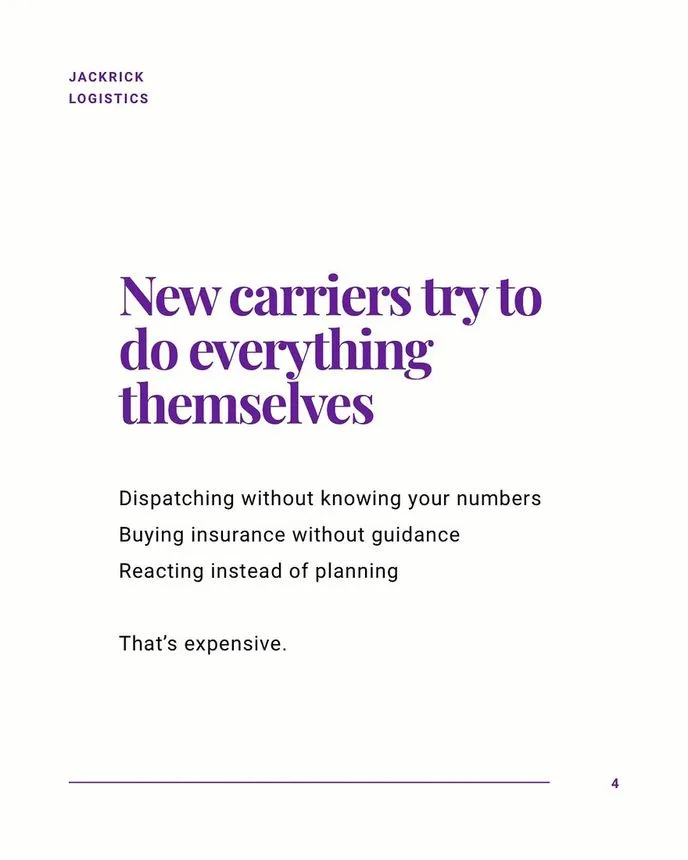
Active authority is not compliant authority
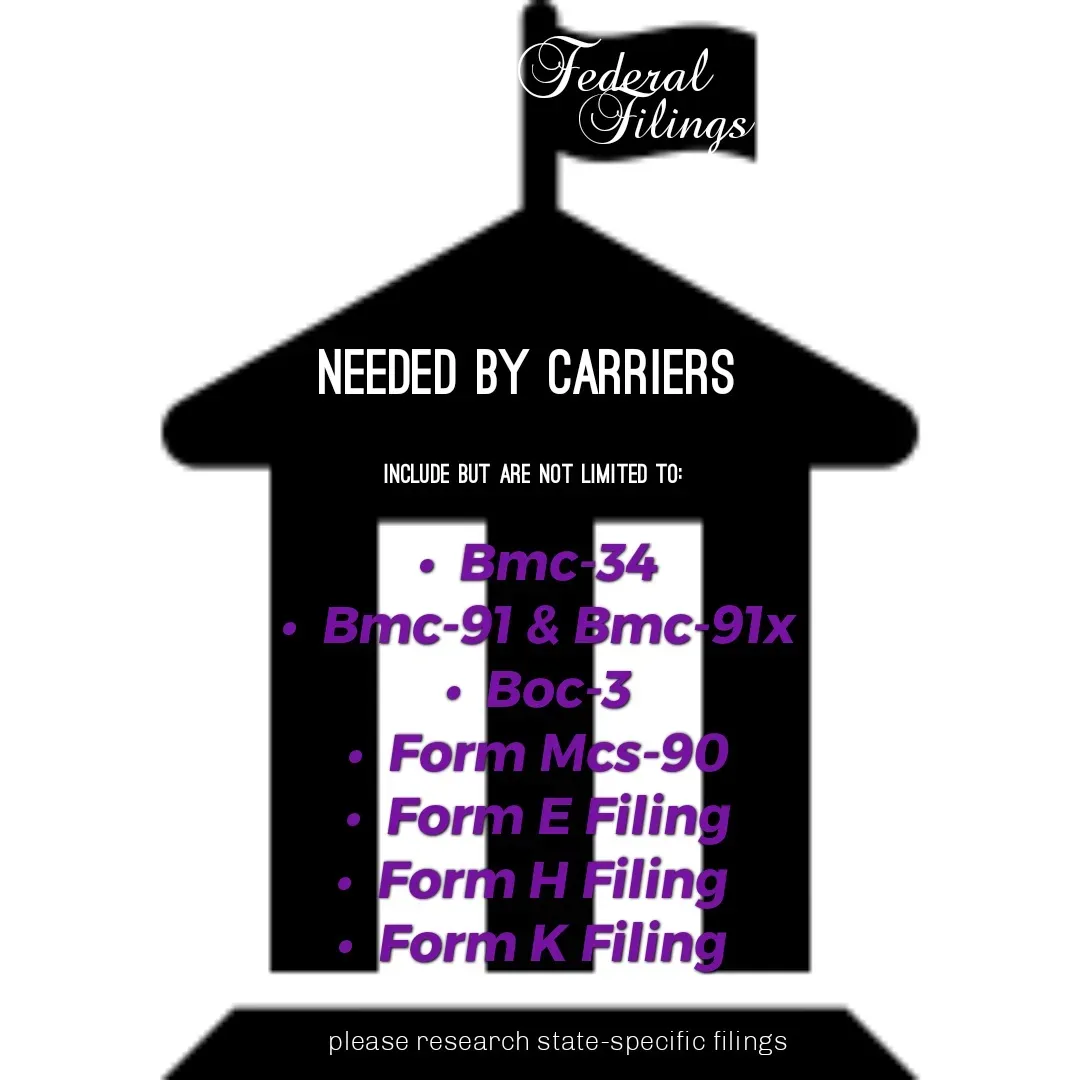
Insurance and a BOC-3 activate your authority. Neither of them puts you in a drug and alcohol testing pool, creates your driver qualification file, or files your UCR. The safety audit checks all of it, and it is coming.
After satisfying pre-operational requirements, a new entrant is subject to safety monitoring for 18 months.
The safety audit happens once the carrier has been operating long enough to have sufficient records — generally at least three months.
Commonly got wrong: MYTH: "the audit happens at 12 months" or "you get audited right away." Also: if no audit occurs within the 18 months through no fault of the carrier, the carrier continues operating as a new entrant until one does — §385.333(d).
A new entrant is issued an inactive USDOT number. You may not begin operations, or mark a vehicle with the number, until FMCSA gives written notice that it has been activated.
Commonly got wrong: MYTH: "you get your USDOT number and you can start hauling."
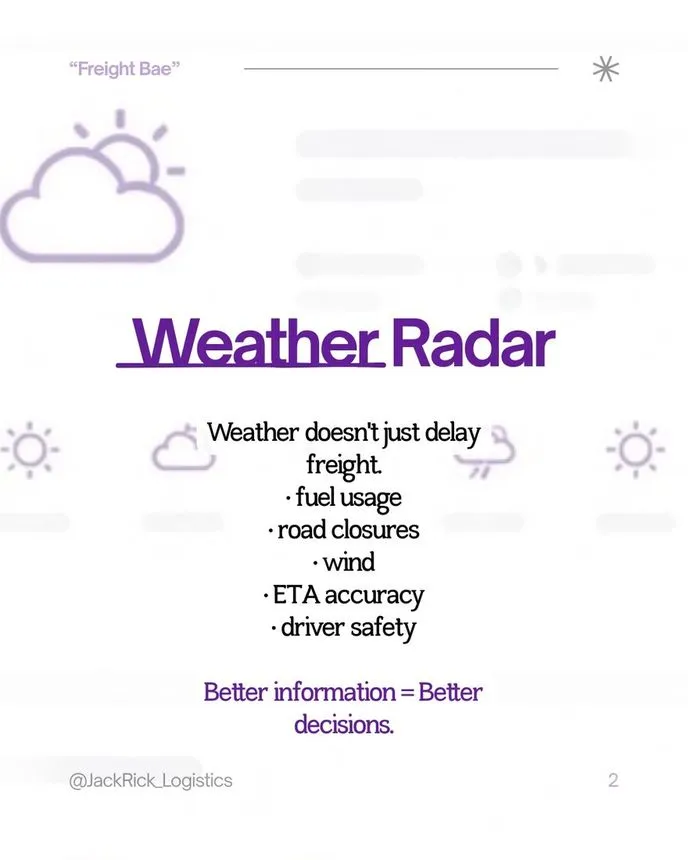


Talk about insurance before you activate, not after
Don't buy insurance just to activate your authority.
The policy you buy to switch your authority on determines which brokers will work with you.
For-hire carriers hauling non-hazardous property in vehicles with a GVWR of 10,001 lb or more must carry at least $750,000 in public liability coverage.
That is the federal floor. A large share of brokerages require $1,000,000 before they will tender you a load, and most want cargo coverage on top — both of which are contract terms rather than regulations. Buying to the federal number and then discovering you cannot get booked is the most common and most expensive opening mistake in this business.
What to have ready
- MC number
- USDOT number
- EIN
- W-9
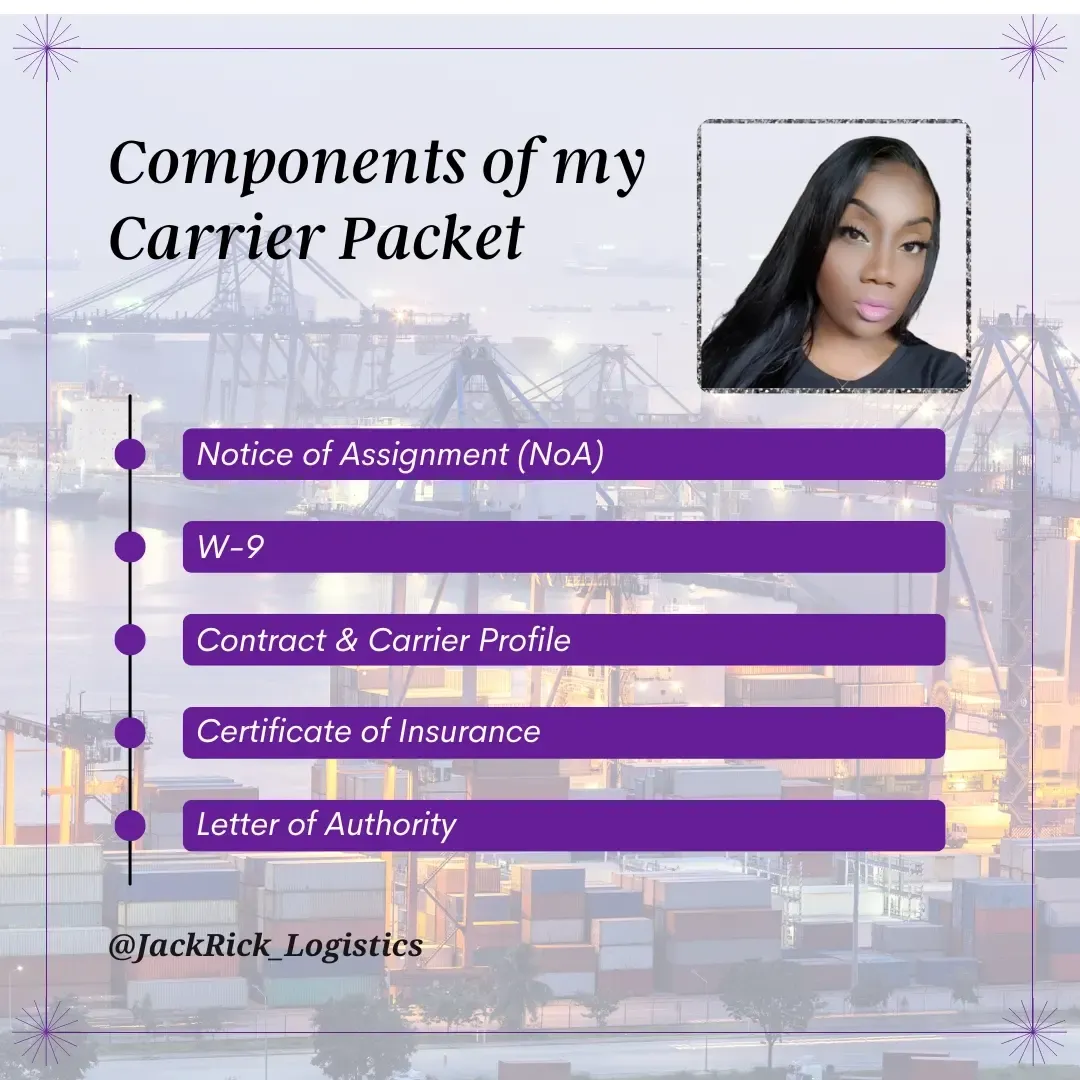
- Certificate of Insurance (COI)
- MC Authority Letter
- Truck and trailer details
- Factoring company information (if applicable)
If some of that is missing, say so — half of what I do in the first week is helping new carriers assemble it.

New authority dispatch questions
Why can I not get loads with a brand new authority?
Most brokers set a minimum authority age before they will work with you — commonly 30, 60 or 90 days, and sometimes six months. It is a credit and risk decision, not a judgment about your driving. The practical consequence is that the brokers everyone tells you to call are exactly the ones that will not take you yet, which is why new carriers sit empty for weeks.
So what do I do in the first 90 days?
Work the brokers who accept day-one authorities first, then add the 30-day list at 30 days, the 60-day list at 60, and so on. It is a sequencing problem, and it is entirely solvable — but only if someone already knows which brokers sit in which bucket.
Should I use a dispatcher in year one, or save the money?
Year one is the strongest case for dispatch there is, because the thing you lack is exactly what a dispatcher has: broker relationships and knowledge of who takes new authorities. It is also the worst year to be learning rate negotiation on your own money. That said, if you came out of a fleet with your own broker contacts already, you may genuinely not need one.
Do you help with compliance too?
Yes, and for a new authority that is half the value. An active authority is not a compliant one, and the safety audit is coming in the first 18 months. Dispatch and compliance are handled together here rather than being two vendors who never speak.
What if I have not activated my authority yet?
Talk to me before you buy insurance. The insurance decision made at activation shapes which brokers will work with you and what your first renewal looks like, and it is the decision most new carriers get wrong by buying to the federal minimum.
How fast can I start?
The intake form takes 10 to 15 minutes. After credential verification and the dispatch agreement, we start working the day-one broker list immediately.