Hot shot dispatch service
Hotshot dispatch for Class 3 to 5 trucks pulling gooseneck and flatbed trailers. The freight is urgent, the payload is small, and the whole business turns on one question: does the rate clear your cost per mile, which is a different number from a semi's.
Flat 10% per load, invoiced every Friday.



Read this before you buy the rig
Hotshot is sold as the affordable entry to trucking. The truck is affordable. The business around it costs the same as any other carrier, and two facts get discovered too late.
The Class A threshold is the combined gross vehicle weight rating, not the truck's. A 14,000 lb dually plus a 21,000 lb gooseneck is a 35,000 lb combination. That is a Class A, and no amount of loading it light changes the rating on the door.
The second one: your compliance burden is identical to a semi's. Operating authority, USDOT number, BOC-3, financial responsibility filing, drug and alcohol program with a random pool, driver qualification file, ELD, annual inspections, UCR, IFTA and IRP if you cross state lines. None of it is scaled down because your trailer is.
An employer who employs only themselves as a driver must run a random testing program with two or more covered employees in the selection pool — which is why a one-truck operation effectively needs a consortium or C/TPA.
Commonly got wrong: Phrase this as "effectively requires" a consortium, not "the regulation requires a consortium." §382.103(b) states the pool requirement; §382.305(j)(2) grants the permission to use a C/TPA and a larger pool. The consortium is the practical consequence of the two together.
For-hire carriers hauling non-hazardous property in vehicles with a GVWR of 10,001 lb or more must carry at least $750,000 in public liability coverage.
Each vehicle in a combination must be inspected separately — the tractor, the semitrailer, the full trailer, and the converter dolly. A carrier may perform its own annual inspections.
Commonly got wrong: TWO MYTHS: "one inspection for the truck" — no, each unit. And "you need a certified mechanic" — no, §396.17(d) permits self-inspection, and §396.19(a)(3)(ii) accepts "a combination of training or experience totaling at least 1 year."
Lower costs, lower ceiling
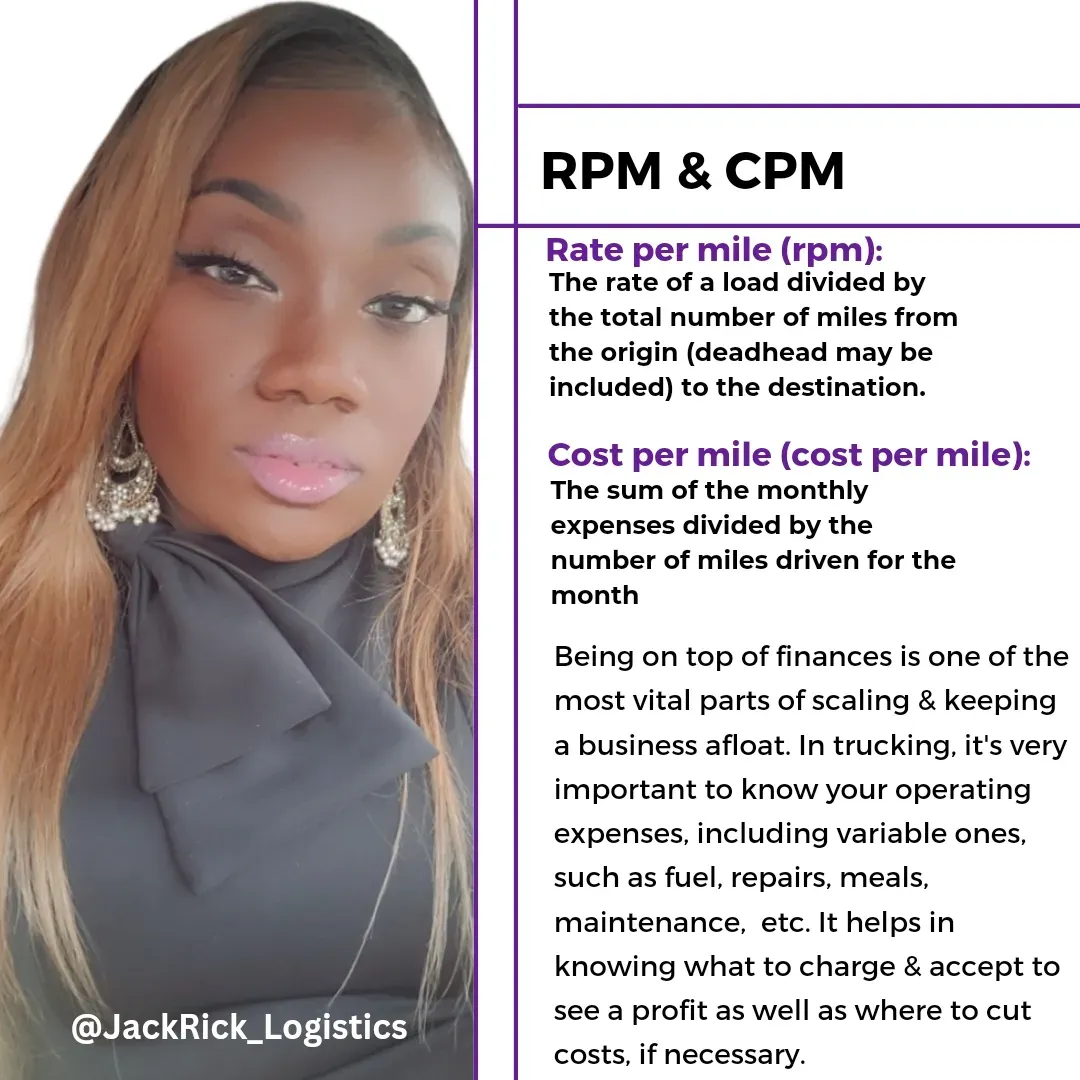
Hotshot's real advantage is a lower cost per mile: less fuel, cheaper tires, cheaper maintenance, a smaller note. Its real constraint is payload — you cannot take the loads that pay semi money because you physically cannot carry them.
That means the comparison people make — "hotshot rates are worse than semi rates" — is the wrong comparison. The right one is rate minus your cost per mile, and on that measure a hotshot can beat a semi on the right lane and lose badly on the wrong one.
The failure mode is running a hotshot on semi-shaped freight: long OTR runs at mid-range rates, where you burn the same days for less revenue and the lower cost base never catches up.
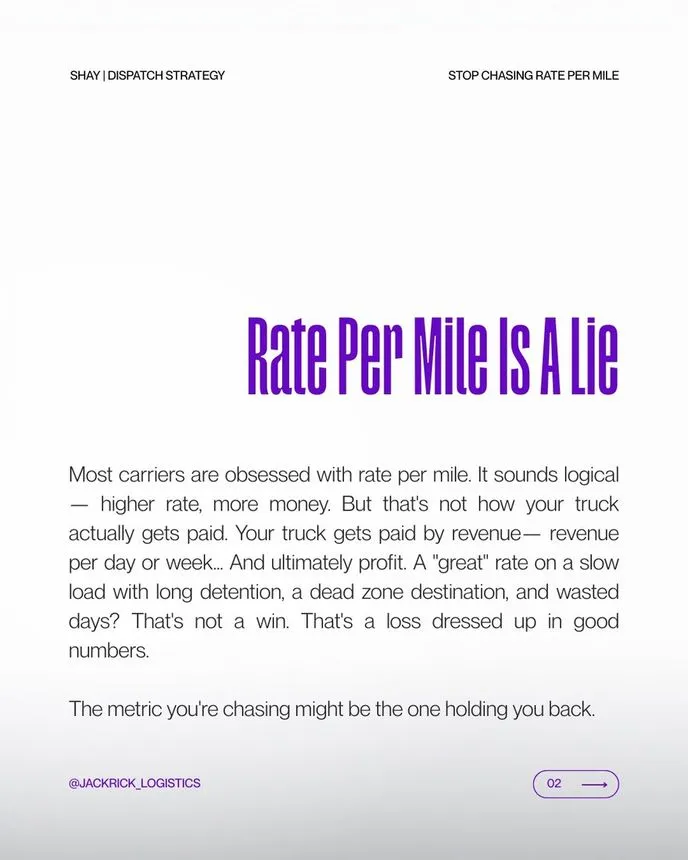
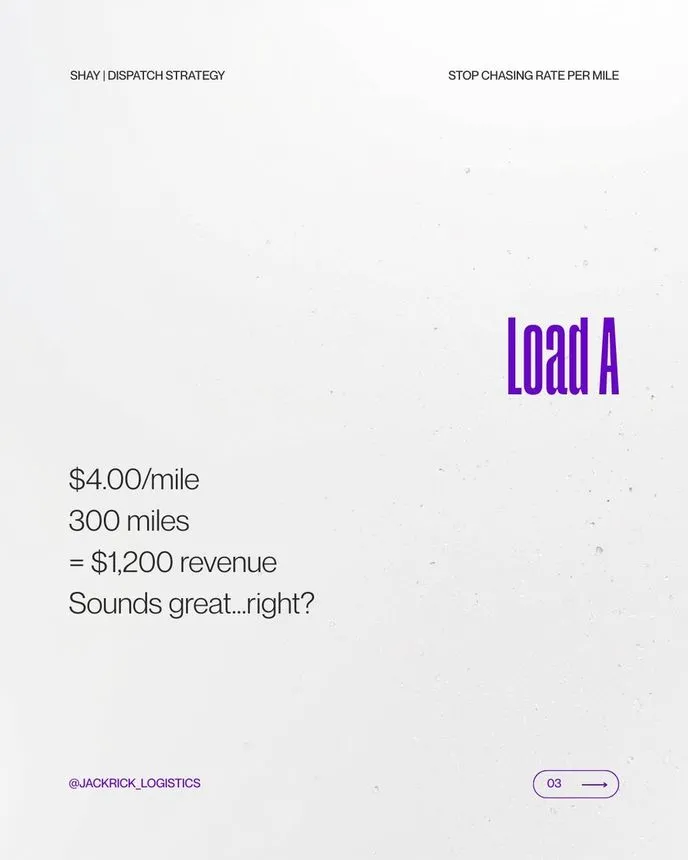
A $4.00/mile load isn't always better than a $2.20/mile load.
Freight that suits a hotshot
- Construction and heavy equipment — skid steers, mini excavators, attachments
- Machinery and industrial parts — often urgent, often a line-down situation
- Steel, pipe and building materials — long, heavy, awkward for a van
- Agricultural equipment and parts — seasonal and time-critical
- Oilfield and energy service gear — regional, responsive, relationship-driven
- Expedited partials — you are being paid for speed, so price for speed
- Vehicle and equipment transport — securement and insurance limits matter
The pattern: the customer has a problem that a 53-foot trailer cannot solve quickly. That is the value you are selling, and it should be reflected in the rate rather than discounted away.
When hotshot is the wrong call
Straight answer, because you will not get it from anyone selling you a trailer:
- If your plan is long-haul general freight, buy a semi. You will run the same hours for less money.
- If you have not priced authority, insurance, a consortium and an ELD, you have not priced the business — only the truck.
- If you need the rig financed at semi-level payments, the lower revenue ceiling will find you.
Where hotshot genuinely works: a regional operator with real customer relationships, low fixed costs, and the discipline to say no to freight that does not clear their number.
Tell me what you're pulling
Truck, trailer, ratings, and the radius you want. I will tell you honestly whether dispatch earns its 10% on your setup.


Hot shot dispatch questions
Do I need a CDL for hotshot?
Usually yes, and this is the most expensive misunderstanding in hotshot. The threshold is the combined rating — truck plus trailer. A one-ton dually rated around 14,000 lb pulling a 40-foot gooseneck rated around 21,000 lb gives a combination well over 26,001 lb, which means a Class A. People buy the rig first and find this out second.
Is hotshot cheaper to get into than a semi?
The equipment is, and almost nothing else is. Authority, insurance, drug and alcohol program, IFTA, IRP, UCR and the safety audit are the same regardless of what you drive. Your fixed costs land at a similar place while your revenue ceiling is lower, and that combination is what catches new hotshot operators.
What does hotshot actually pay?
Rates vary enormously by lane and by how urgent the freight is — you are frequently being paid for speed and availability rather than for capacity. What matters is that hotshot rates are quoted against a lower payload, so the only honest way to evaluate a load is against your own cost per mile. A rate that is excellent for a semi can be unprofitable for a hotshot and the reverse is also true.
What freight suits a hotshot?
Anything urgent, oversized-but-light, or awkward for a 53-foot trailer. Construction equipment, machinery, steel, pipe, agricultural parts, oilfield gear, expedited partials, and vehicle transport. The common thread is that the customer is buying responsiveness.
Do I need special insurance?
The same lines as any for-hire carrier — auto liability, cargo and physical damage — but the underwriting is its own class and cargo limits matter more than people expect, because a single piece of machinery can be worth more than the whole rig.
What does dispatch cost?
A flat 10% per load, invoiced every Friday, with 30 days' notice to leave.