Step Deck Dispatch: Taller Freight, Legal Height
Step deck dispatch is load booking and planning for drop-deck trailers whose lowered rear deck carries freight up to about 10 feet tall within legal height limits — no oversize permits needed. Typical freight: agricultural equipment, industrial machinery, and tall components in the 8.5-to-10-foot band. The dispatcher confirms dimensions, ramp needs, and load placement before booking.
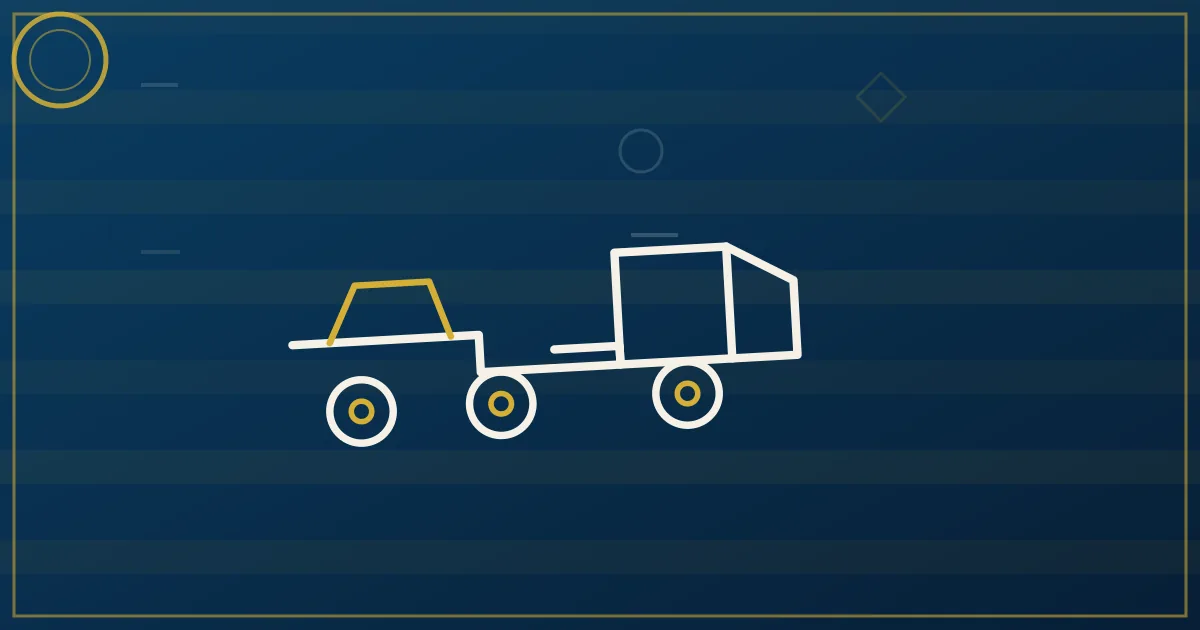
The step deck — drop deck — solves flatbed's height problem with a lower deck: where a standard flatbed tops out around 8.5 feet of freight height, a step deck's dropped rear deck takes freight up to about 10 feet while staying within legal height limits. It is the trailer for tall freight that does not need to be oversize.
Step deck dispatch is open-deck planning with a height dimension. Machinery, agricultural equipment, and industrial components that would trigger permits on a flatbed ride legally on a step deck — and the dispatcher's job is knowing which freight fits, which needs ramps and loading plans, and where the step deck premium lives. JackRick dispatches step decks at the standard terms: flat 10% per load, invoiced Fridays, 30 days' notice.
What Is Step Deck Dispatch?
Step deck dispatch is load booking and planning for drop-deck trailers — open-deck trailers whose rear deck sits lower than the front, allowing taller freight to ride within legal height limits without oversize permits. Typical step deck freight: machinery, agricultural equipment, and industrial components in the 8.5-to-10-foot height range.
The trailer's advantage is exactly one dimension: height. For freight under about 8.5 feet, a standard flatbed does the job; for freight that would need height permits on a flatbed, the step deck keeps it legal and routine. The dispatcher evaluates every open-deck load against that height question.
Step deck also differs in loading: the dropped deck typically needs ramps for wheeled equipment, and the upper deck over the kingpin takes shorter freight. Load placement is a planning consideration — the dispatcher confirms dimensions and loading requirements before booking.
The Height Advantage, Honestly Priced
Legal height limits — generally 13 feet 6 inches in most states, with variations to verify — set the ceiling. A standard flatbed deck rides around 5 feet high, leaving about 8.5 feet of freight; a step deck's lower deck rides around 3.5 feet, leaving about 10 feet. That 18-inch difference is the entire business case.
The value is permit avoidance. Freight at 9.5 feet tall on a flatbed needs height permits in every state it crosses — paperwork, fees, routing restrictions, and time. The same freight on a step deck rides legally with none of it. The shipper pays for the avoided hassle, and the rate typically reflects it.
But the advantage has boundaries. Freight over about 10 feet tall needs a step deck with permits or an RGN; freight under 8.5 feet rides fine on a flatbed. The dispatcher who understands the height bands books each load on the right trailer — step deck for the middle band, not as a default.
Step Deck Freight Markets
Agricultural equipment is step deck's signature freight: tractors, combines, and implements that are tall, wheeled, and need ramps. Harvest and planting seasons move this freight in waves, and the dispatcher follows the agricultural calendar.
Industrial machinery fills the second tier: presses, generators, HVAC units, and manufactured equipment in the tall-but-not-oversize band. This freight pays for care — machinery shippers remember clean deliveries and damaged ones alike.
Construction equipment rounds out the mix: excavators, loaders, and site machinery that drive onto the dropped deck via ramps. The dispatcher confirms ramp requirements, loading assistance, and whether the pickup site can actually load a step deck before committing the truck.
Ramps, Loading, and the Practical Details
Wheeled equipment needs ramps, and ramps are a planning detail: does the truck carry them, does the shipper provide them, what is the loading surface, and who operates the equipment onto the deck. The dispatcher confirms these answers before booking, because a step deck that cannot load its freight is an expensive mistake.
Load placement matters on a two-level trailer. Tall freight goes on the lower deck; shorter freight can ride the upper deck over the kingpin. Weight distribution across the axles has to work — the dispatcher confirms total weight and placement with the shipper's loading plan.
Securement follows the same FMCSA standards as flatbed, applied to taller freight with higher centers of gravity. The driver executes; the dispatcher budgets the time and confirms the gear. Verify current securement requirements in the FMCSA cargo securement rules.
Step Deck vs. Flatbed vs. RGN: The Height Bands
Under about 8.5 feet of freight height: standard flatbed, no permits, simplest operation. This is the volume band of open deck — lumber, steel, building materials — and the flatbed's home turf.
8.5 to 10 feet: step deck territory. Tall machinery, agricultural equipment, and industrial components that ride legally on the dropped deck with no permits. This band is the step deck's entire reason to exist.
Over about 10 feet: permits or RGN. Freight this tall needs height permits on a step deck or a lowboy trailer that drops the deck height further. The RGN page covers the heavy-haul end of the spectrum. The dispatcher places each load in its band and books the right trailer — the wrong trailer is either illegal or overkill.
Key takeaways
- The step deck's business case is one dimension: ~18 extra inches of legal freight height versus a flatbed.
- The value is permit avoidance — 9.5-foot freight rides legally on a step deck that would need permits on a flatbed.
- Ramps, loading surfaces, and load placement are confirmed before booking, not discovered at the shipper.
- Know the height bands: flatbed under ~8.5', step deck 8.5–10', permits or RGN above.
- Flat 10% per load, Friday invoicing, 30 days' notice.
Questions carriers ask
What height freight fits on a step deck?
Roughly 8.5 to 10 feet of freight height rides legally on a standard step deck within typical 13'6" height limits — taller than a flatbed's ~8.5 feet, without the permits freight over 10 feet needs. Verify your states' limits, as they vary.
Why not just use a flatbed for everything?
Freight over ~8.5 feet tall on a flatbed needs height permits in every state crossed — paperwork, fees, routing restrictions. A step deck carries the same freight legally with none of it.
What's the difference between step deck and RGN?
A step deck's dropped deck handles up to ~10 feet of freight; an RGN (lowboy) drops lower still for taller and heavier freight, with a detachable gooseneck for drive-on loading. The RGN page covers heavy haul.
Do step decks need ramps?
For wheeled equipment, yes — and the dispatcher confirms who provides them and what the loading surface is before booking. It's a planning detail that prevents expensive surprises.
Is step deck freight seasonal?
Agricultural equipment moves in planting and harvest waves; industrial machinery is steadier. The dispatcher follows the agricultural calendar for ag freight.
Does step deck dispatch cost more?
No — flat 10% per load, invoiced Fridays, 30 days' notice, same as every equipment type.